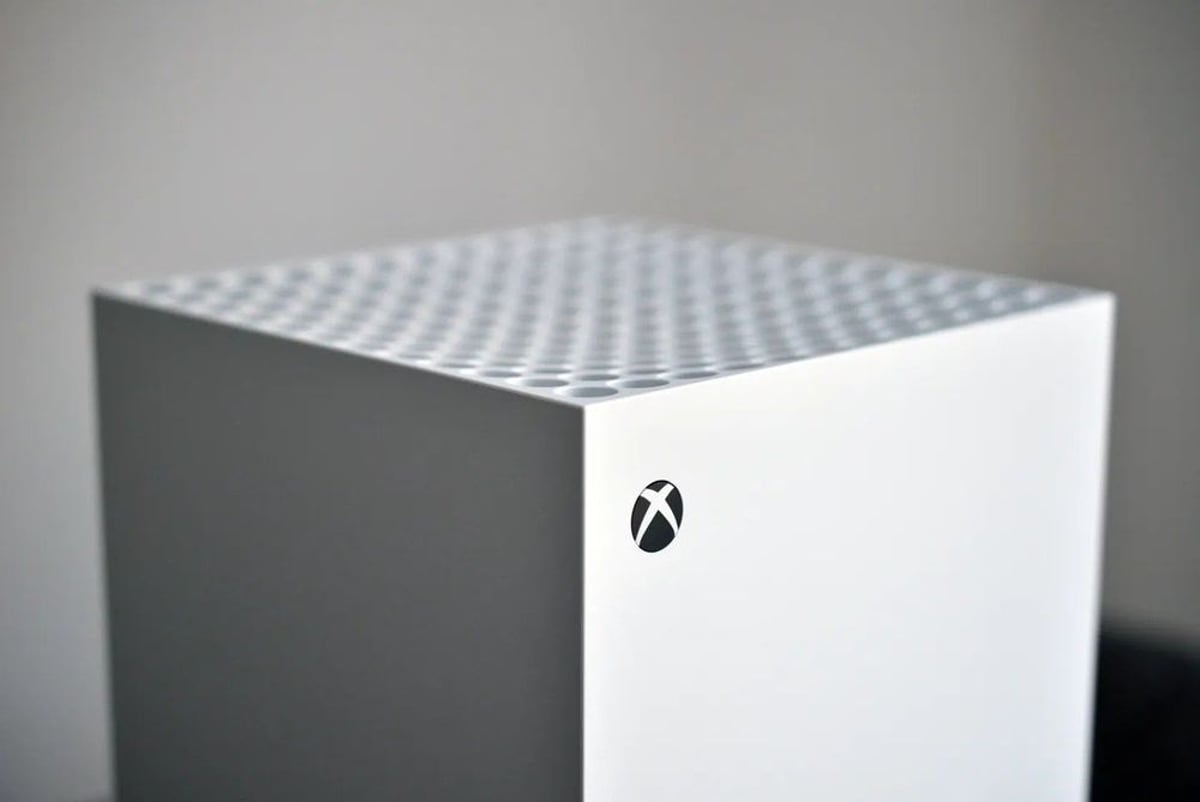
Microsoft just unveiled its next Xbox console at the 2026 Game Developers Conference, and gamers will need to wait a while longer. VP of Next Generation Jason Ronald revealed that Project Helix, featuring a custom AMD chip with dramatically improved raytracing and machine learning-powered frame generation, won't reach alpha testing until 2027. The announcement signals a longer development cycle than previous console generations while showcasing how AI upscaling tech is becoming standard in gaming hardware.
Microsoft is taking the long view with its next Xbox. At today's Game Developers Conference in San Francisco, the company's VP of Next Generation Jason Ronald pulled back the curtain on Project Helix - and made it clear that gamers shouldn't expect the console anytime soon. Alpha testing won't begin until 2027, according to Ronald's presentation at GDC 2026.
The extended development timeline comes with a promise of substantial technical leaps. Ronald described a custom AMD chip that delivers "an order of magnitude increase in raytracing performance," including support for path tracing - the most computationally demanding form of realistic lighting simulation in games. It's the kind of spec that suggests Microsoft learned from the Xbox Series X launch, where raytracing support existed but often came with significant performance trade-offs.
But the real story here is machine learning's deeper integration into gaming hardware. Project Helix will feature a next-generation version of AMD's FSR (FidelityFX Super Resolution) upscaling technology that relies on machine learning and includes frame generation. Think of it as AI imagining what should appear between two actual rendered frames, creating the illusion of smoother gameplay without the GPU actually doing all that extra work. It's similar to what Nvidia pioneered with DLSS, but now arriving in console form.
The timing tells you something about where the console market stands. While Sony and Nintendo have been relatively quiet about their next-generation plans, Microsoft is already talking openly about hardware that won't be ready for years. It's either confidence or a signal that traditional console cycles are stretching longer than the industry expected. Given that the Xbox Series X launched in 2020, a 2028 or 2029 retail launch for Project Helix would mark an eight or nine-year generation - longer than the Xbox 360 to Xbox One transition.
The machine learning angle matters beyond just prettier graphics. Frame generation technology has been controversial in PC gaming circles, with purists arguing that AI-generated frames introduce latency and don't represent "true" performance improvements. But Microsoft's bet appears to be that console gamers will prioritize visual smoothness over those technical concerns, especially if it means hitting 60fps or even 120fps targets on demanding titles without requiring massive GPU horsepower.
Ronald's GDC appearance also signals Microsoft's continued commitment to dedicated gaming hardware despite its push into cloud gaming through Xbox Cloud Gaming. The company faced speculation last year about whether it would even produce another traditional console, given its focus on Game Pass subscriptions and getting Xbox games onto as many screens as possible. Project Helix suggests the answer is yes - but with AI and machine learning doing more of the heavy lifting.
The partnership with AMD continues a relationship that's defined multiple console generations. AMD has supplied chips for both Xbox and PlayStation consoles since 2013, giving the company unique insight into console gaming's technical requirements. The focus on raytracing and ML-powered upscaling mirrors trends in AMD's desktop GPU lineup, where the company's been playing catch-up to Nvidia's DLSS technology.
What's missing from Ronald's presentation is any discussion of price, exact specifications, or how Project Helix fits into Microsoft's broader gaming strategy. Will it be a premium console like the Xbox Series X, or will Microsoft launch multiple SKUs at different price points? How does this hardware align with the company's cloud gaming ambitions? Those questions remain unanswered.
For game developers at GDC, the early heads-up gives them years to plan. Studios can start thinking about how to leverage path tracing and ML upscaling in titles that won't ship until the end of the decade. It's a longer runway than developers typically get with console transitions.
Microsoft's Project Helix reveal shows how machine learning is reshaping gaming hardware expectations. By committing to a 2027 alpha timeline, the company is prioritizing technical ambition over market urgency - betting that AI-powered features like frame generation will matter more to next-gen gamers than an early launch date. The real test will be whether that extended development cycle delivers genuinely transformative gaming experiences or just catches up to what PC gamers have had for years. Either way, the console wars just got a much longer clock.