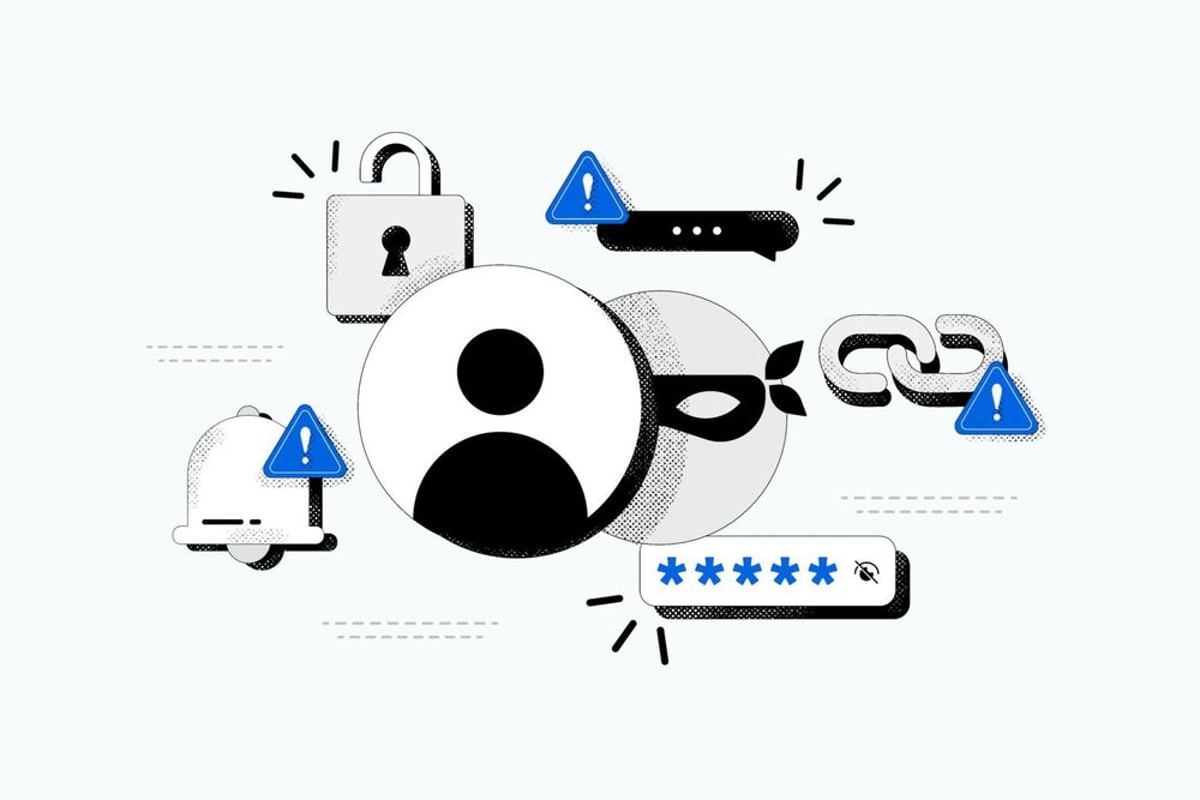
Meta is deploying new scam detection features across its entire family of apps, aiming to intercept fraudsters before they can compromise user accounts. The rollout spans Facebook, WhatsApp, and Messenger, introducing behavioral alerts for suspicious friend requests and unauthorized device linking attempts. The move comes as the company acknowledges that scammers increasingly delay malicious activity to evade automated detection systems.
Meta is turning up the heat on scammers with a suite of detection tools that span its entire messaging empire. The company's rolling out new safeguards across Facebook, WhatsApp, and Messenger designed to catch fraudulent activity before users fall victim.
The centerpiece is a behavioral warning system for WhatsApp that flags suspicious device linking attempts. When someone tries to connect your WhatsApp account to another device, the app now analyzes behavioral signals in real-time. If something looks off - maybe the request comes from an unusual location or follows patterns associated with account takeovers - you'll get an immediate alert. It's Meta's answer to a growing problem where scammers hijack accounts by linking them to their own devices, then use the compromised profiles to target victims' contacts.
"We know that scammers try to avoid our detection and may not immediately use accounts maliciously," Meta explained in its announcement. That's the key insight driving these updates. Fraudsters have gotten smarter about gaming automated systems, often waiting days or weeks after compromising an account before launching attacks. The delay helps them slip past initial security checks.
Facebook and Messenger are getting their own layers of protection, with enhanced alerts for unrecognized friend requests and suspicious connection attempts. The system looks at signals like account age, geographical anomalies, and interaction patterns to assess risk. If you get a friend request from an account created yesterday that's already sent 500 requests from halfway around the world, Meta's algorithms should catch it.
The timing reflects broader pressure on social platforms to combat fraud. Scammers have increasingly exploited messaging apps for everything from romance scams to cryptocurrency theft, often using compromised legitimate accounts to build trust with targets. According to the Federal Trade Commission, consumers reported losing over $10 billion to fraud in 2023, with social media playing a central role in many schemes.
Meta's approach relies heavily on machine learning models that analyze behavioral patterns across billions of daily interactions. The company's scale gives it an advantage here - with nearly 4 billion users across its platforms, it can train detection systems on massive datasets of both legitimate and fraudulent behavior. But it's also a cat-and-mouse game. As Meta improves detection, scammers adapt their tactics.
The device linking protection for WhatsApp addresses a particularly nasty vulnerability. WhatsApp's multi-device feature lets users connect their account to computers and tablets, but scammers have exploited this by tricking people into sharing QR codes or verification codes. Once linked, attackers can read messages, access contacts, and impersonate the victim - all while the real owner still has access, potentially delaying discovery of the breach.
What's missing from Meta's announcement is hard data on how prevalent these scams have become across its platforms, or how effective the new tools prove in testing. The company didn't share metrics on false positive rates either - a critical factor since overly aggressive filtering could annoy legitimate users with constant security warnings.
For users, the rollout should be automatic. You won't need to toggle settings or download updates beyond keeping your apps current. The features work in the background, surfacing alerts only when suspicious patterns emerge. Meta says the tools complement existing security measures like two-factor authentication and end-to-end encryption on WhatsApp.
The move positions Meta's platforms as more secure just as competition heats up in messaging. Telegram and Signal have both marketed themselves on privacy and security grounds, while Apple's iMessage touts similar protections. With regulators worldwide scrutinizing how tech platforms handle user safety, proactive fraud prevention tools give Meta ammunition to argue it's taking responsibility seriously.
Meta's latest security push shows the company's trying to get ahead of increasingly sophisticated scammers who've learned to game existing defenses. The real test will be whether these behavioral detection systems can catch threats without drowning users in false alarms. For the billions relying on Facebook, WhatsApp, and Messenger daily, better scam protection can't come soon enough - but the effectiveness will only become clear once these tools face the full onslaught of real-world fraud attempts.