Nvidia and OpenAI are negotiating a groundbreaking financial arrangement worth up to $250 billion that would let the AI startup raise massive debt for a data center campus in Pike County, Ohio - all backed by Nvidia's credit strength. The deal, first reported by CNBC, represents the largest AI infrastructure financing in history and signals how deeply intertwined chipmaker and AI developer have become as the race for computing power intensifies.
Nvidia is putting its balance sheet on the line for OpenAI in what amounts to the most aggressive bet yet on AI infrastructure. The two companies are hammering out terms for a credit backstop that could reach $250 billion, letting OpenAI tap debt markets to build out a massive data center campus in Pike County, Ohio, according to CNBC.
The structure is unusual but reveals the stakes. OpenAI needs the computing power to train increasingly sophisticated models, but doesn't have the credit profile to raise hundreds of billions on its own. Nvidia, flush with cash from selling AI chips at premium prices, sees OpenAI as a critical customer worth backstopping. The arrangement essentially lets OpenAI borrow against Nvidia's AAA-rated balance sheet.
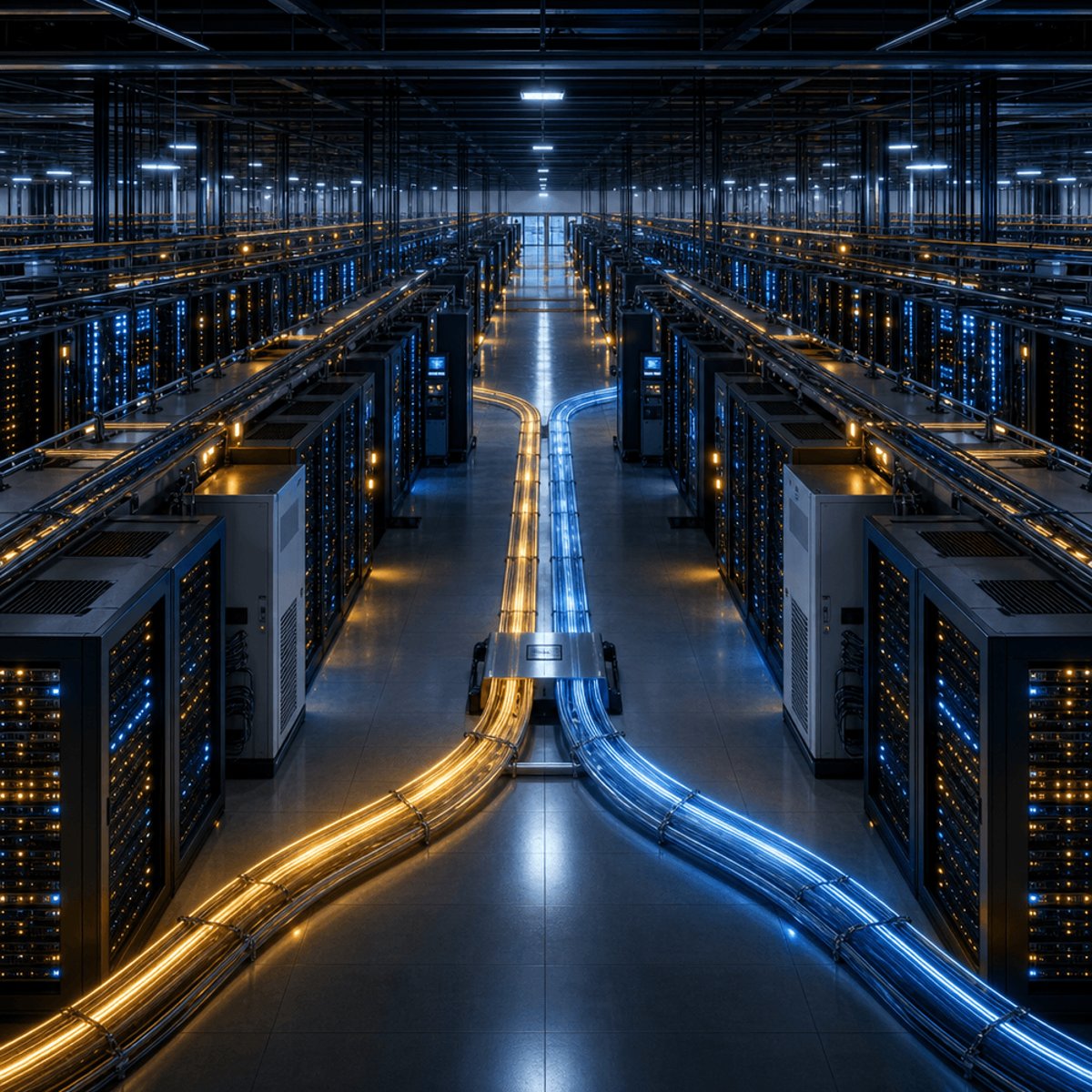
Pike County wasn't chosen randomly. The rural Ohio location offers cheap land, access to power infrastructure, and tax incentives that make it attractive for hyperscale data centers. OpenAI's been quietly acquiring land there for months, setting up what could become one of the largest AI training facilities in the world. The campus would house tens of thousands of Nvidia's latest H100 and next-generation chips, creating a closed-loop ecosystem where Nvidia hardware powers OpenAI models.
The $250 billion figure is eye-popping even by Big Tech standards. For context, Microsoft's entire 2025 capital expenditure budget was around $50 billion. This deal would dwarf that, putting it in the same league as national infrastructure projects. The scale reflects what it actually costs to stay competitive in AI development - you need the chips, the facilities to house them, the power to run them, and the cooling systems to keep them operational.
But the arrangement also exposes how dependent both companies have become on each other's success. If OpenAI's revenue doesn't scale fast enough to service the debt, Nvidia would be on the hook. And if Nvidia's chip roadmap stumbles, OpenAI's entire infrastructure bet falls apart. It's a high-wire act that binds their fates together in ways that go far beyond a typical vendor-customer relationship.
The timing suggests urgency. Google just announced plans to double its TPU production capacity, while Amazon is ramping up its custom Trainium chips to reduce reliance on Nvidia. OpenAI needs to lock in long-term chip supply and computing capacity before rivals close the gap. This deal does that, but at the cost of making Nvidia a quasi-financial partner with massive exposure to OpenAI's business model.
Wall Street hasn't seen the full terms yet, but the market implications are already rippling out. If this becomes the template for AI infrastructure financing, it fundamentally changes how these projects get funded. Instead of venture capital or traditional corporate bonds, you're looking at chipmaker-backed debt instruments tied to specific hardware deployments. That's a new asset class.
The Ohio location also plays into domestic manufacturing and energy policy. Building massive AI infrastructure on U.S. soil, powered by American chips, fits neatly into the current administration's economic priorities. Don't be surprised if tax incentives and regulatory fast-tracking follow, making Pike County a case study for future AI campuses.
What happens next depends on how quickly the lawyers can structure the deal. Credit backstops of this size typically involve complex covenant packages, performance triggers, and probably some equity kickers for Nvidia. The documents will matter enormously - both for what they reveal about OpenAI's financials and for how they set precedent for similar deals industry-wide.
This isn't just a financing deal - it's a signal that AI infrastructure has become too capital-intensive for normal funding channels. When you need a chipmaker to backstop a quarter-trillion dollars in debt just to build the computing capacity for next-gen models, you're in uncharted territory. The Nvidia-OpenAI arrangement will either become the blueprint for how AI gets financed going forward, or a cautionary tale about overextension. Either way, Pike County just became ground zero for the most expensive bet in AI history, and both companies are all-in.