Nvidia CEO Jensen Huang is flying to China just as the company's access to its second-largest market hangs in the balance. The timing isn't coincidental - sources tell CNBC Huang will touch down in Beijing ahead of Lunar New Year to salvage relationships with Chinese buyers after fresh restrictions threaten to choke off what was once a fifth of the chipmaker's data center revenue. It's a high-stakes diplomatic mission disguised as a company party.
Nvidia CEO Jensen Huang is making another pilgrimage to Beijing, but this time the stakes couldn't be higher. Two sources familiar with the matter told CNBC that Huang plans to arrive in China in the coming days, with a company party scheduled for Monday serving as the public-facing reason for the trip. But behind the Lunar New Year celebrations lies a more urgent mission - salvaging Nvidia's crumbling position in the world's second-largest economy.
The trip comes at a precarious moment. The Information reported last week that Chinese authorities would only approve purchases of Nvidia's H200 AI chips for limited research purposes, effectively blocking commercial sales. When pressed on Thursday, China's Commerce Ministry played dumb, claiming ignorance of the situation. That non-denial denial has Nvidia scrambling.
Huang isn't just showing up for dumplings and red envelopes. A person with direct knowledge of the travel plans told CNBC he'll meet with potential buyers and hash out recent logistical nightmares around supplying U.S.-approved chips into the Chinese market. These are the watered-down GPUs that Nvidia specifically designed to comply with Washington's export restrictions - chips that are supposed to keep at least some revenue flowing from a market that once delivered at least one-fifth of the company's data center business.
But compliance doesn't guarantee access anymore. U.S. export controls have already banned Nvidia from selling its most advanced chips to China as Washington tries to maintain its edge in AI development. Now Beijing appears to be adding its own layers of restriction, creating a regulatory sandwich that's squeezing Nvidia from both sides. The H200 was meant to be a workaround - powerful enough to be useful but gimped enough to pass muster with U.S. regulators. If China won't buy those either, Nvidia's options start looking pretty thin.
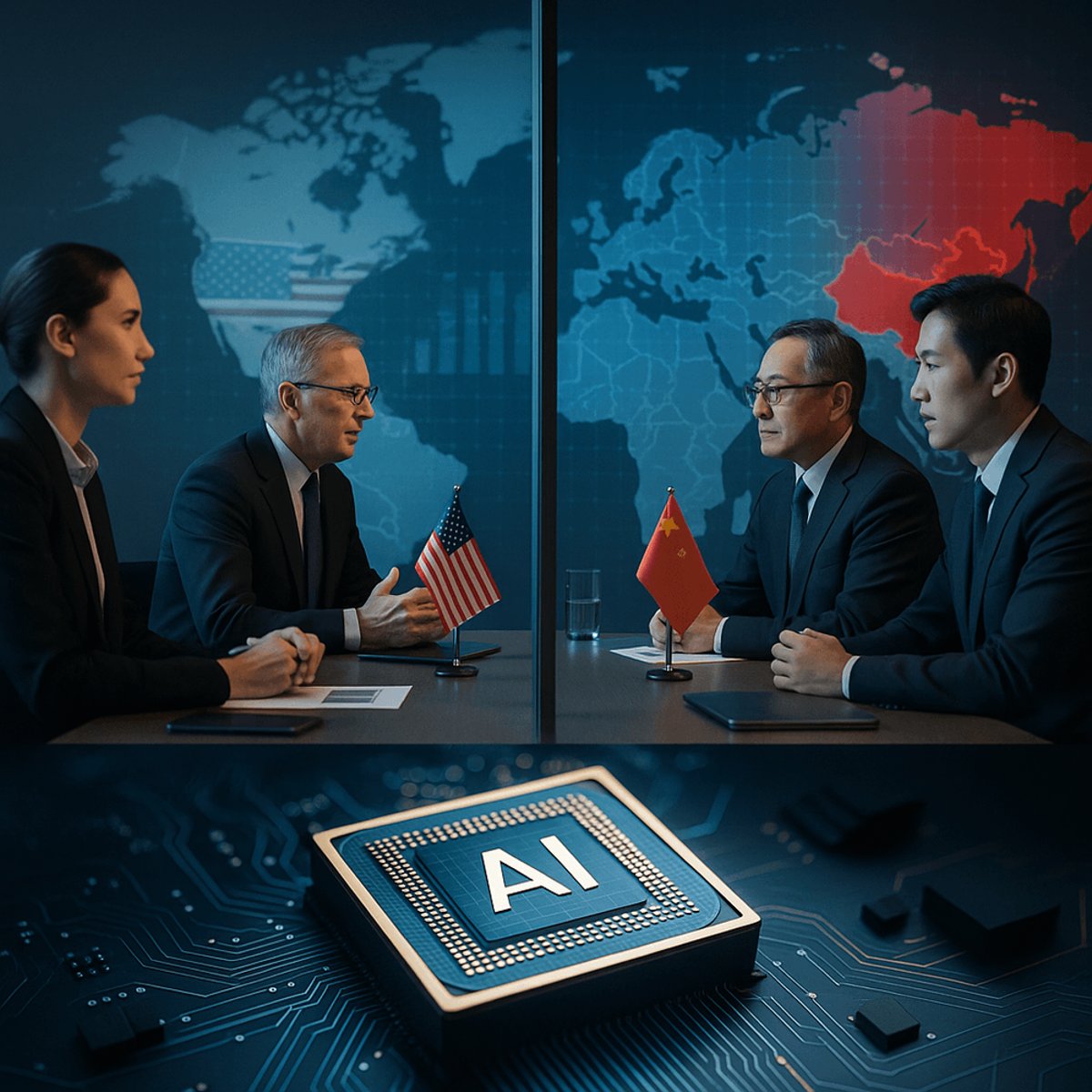
The geopolitical chess match playing out here extends far beyond one company's quarterly results. Nvidia's chips power the AI arms race, and both superpowers know it. Washington wants to deny Beijing access to cutting-edge compute. Beijing wants technological self-sufficiency but still needs foreign chips while its domestic alternatives catch up. Huang is caught in the middle, trying to preserve billions in annual revenue while navigating an increasingly hostile regulatory environment.
This isn't Huang's first rodeo in China - he visited the mainland at least three times last year, including January 2025 for Lunar New Year celebrations, according to local reports. The repeat visits signal just how important the Chinese market remains to Nvidia's business, even as trade restrictions multiply. Huang has been playing the long game, maintaining relationships and visibility in a market where personal connections still matter enormously.
But charm offensives only go so far when national security concerns are driving policy. The H200 restrictions, if confirmed, would represent a significant escalation. It suggests China might be using access to its market as leverage in the broader tech war - or preparing domestic customers to rely exclusively on homegrown alternatives from companies like Huawei and startups backed by Beijing.
Nvidia declined to comment on executive travel plans when contacted by Bloomberg, which first reported the trip earlier this week. That silence is telling. Huang can't afford to publicly acknowledge the desperation behind this visit, but he also can't afford not to show up. The optics matter - both to Chinese partners who need reassurance that Nvidia remains committed to the market, and to U.S. policymakers watching to see if the export controls are actually working.
The timing ahead of Lunar New Year provides convenient cover. Company parties and seasonal greetings give Huang plausible deniability for what's really a crisis management trip. But everyone involved knows what's at stake. If Nvidia loses meaningful access to Chinese buyers, it hands a massive gift to domestic competitors and potentially reshapes the global AI chip landscape.
What happens during those closed-door meetings in Beijing will ripple through the entire semiconductor industry. Huang needs to walk away with commitments that keep Chinese revenue flowing without triggering U.S. regulatory backlash. It's a needle he's been threading for years, but the eye keeps getting smaller.
Huang's China visit is less about celebration and more about survival. With Beijing reportedly restricting H200 purchases and Washington tightening export controls, Nvidia's CEO is running out of room to maneuver. The outcome of these meetings will determine whether Nvidia can maintain even a foothold in a market that once generated billions annually - or whether the AI chip wars will force a complete decoupling that reshapes the global semiconductor industry. Watch what comes out of Beijing in the next few weeks. If Huang leaves empty-handed, the implications extend far beyond Nvidia's balance sheet.