OpenAI just inked a manufacturing deal with Taiwan's Foxconn, the electronics giant behind Apple's iPhones, to build AI data center components on U.S. soil. The partnership marks OpenAI's latest move to secure domestic supply chains as the company burns through $1.4 trillion in infrastructure commitments while chasing ambitious revenue targets.
OpenAI is betting big on American manufacturing. The ChatGPT maker just struck a partnership with Taiwan's Foxconn to design and build AI data center components across the U.S., adding a crucial manufacturing layer to its massive infrastructure buildout.
The deal gives OpenAI early access to evaluate Foxconn's systems plus purchase options, though neither company disclosed financial terms. What's clear is the strategic intent - accelerate infrastructure deployment while securing long-term domestic capacity as AI demand explodes.
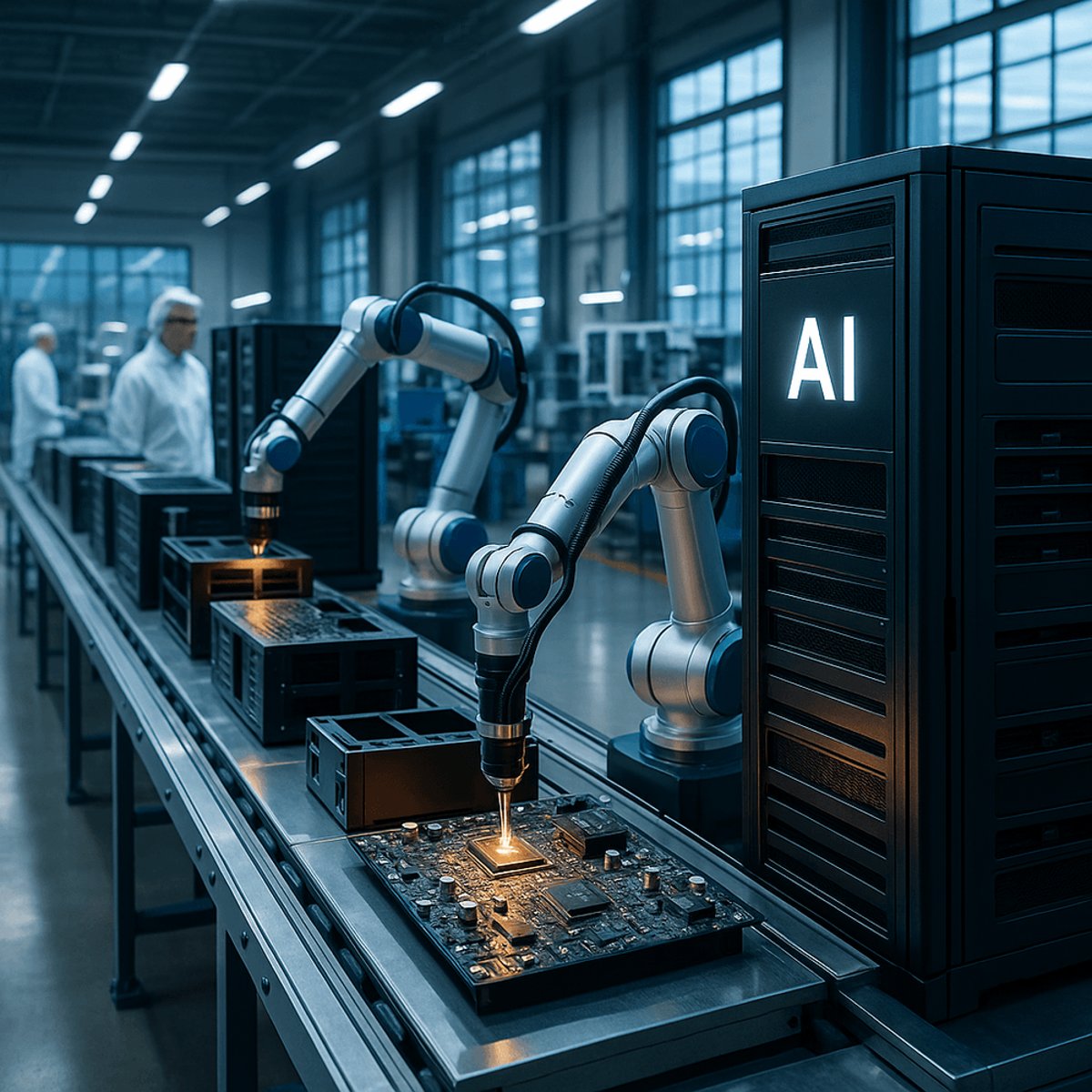
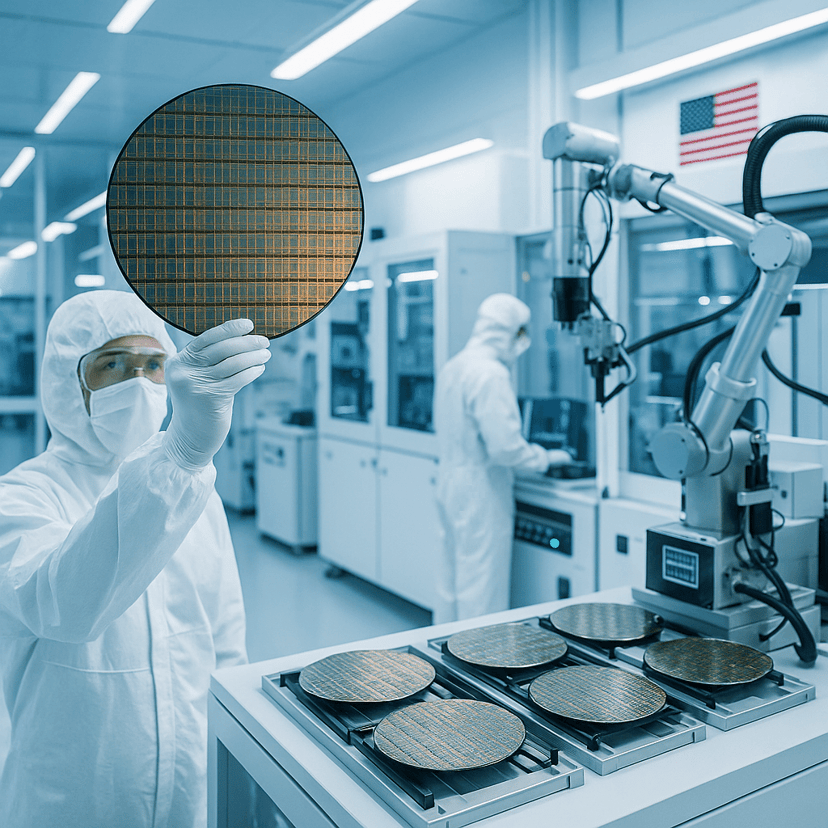
Under the agreement, the companies will co-develop multiple generations of AI servers simultaneously, manufacturing everything from power systems to networking and cooling components at Foxconn's existing U.S. facilities in Wisconsin, Ohio, Texas, Virginia and Indiana.
"This partnership is a step toward ensuring the core technologies of the AI era are built here," OpenAI CEO Sam Altman said, calling AI infrastructure a "generational opportunity to reindustrialize America."
The timing isn't coincidental. OpenAI has been on an unprecedented dealmaking spree, announcing roughly $1.4 trillion in spending commitments that have investors questioning whether the startup can generate enough profit to justify the massive outlays. Altman promised earlier this month that the company will hit $20 billion in annualized revenue by year-end and hundreds of billions by 2030.
But those revenue projections depend heavily on infrastructure execution. OpenAI has already lined up a $100 billion investment commitment from Nvidia - though that deal remains unfinalized - plus cloud partnerships with Microsoft, Google, and Amazon, and compute buildout agreements with Oracle.
Foxconn fills a critical gap by bringing manufacturing expertise directly to U.S. soil. The company isn't just Apple's iPhone assembler anymore - it's expanded into AI and automotive manufacturing, building specialized server racks for AI workloads and serving as a key global supplier to Nvidia, the dominant force in high-end AI chips.
"Foxconn is uniquely positioned to support OpenAI's mission with trusted, scalable infrastructure," said Chairman Young Liu, highlighting the company's manufacturing scale and AI hardware experience.
Yet Foxconn carries some baggage in the U.S. market. The company's 2018 Wisconsin factory project - originally planned as a massive flat-panel display manufacturing facility - became a high-profile failure. That site now hosts an AI data center being built by Microsoft, offering an ironic twist to the current AI infrastructure boom.
The partnership reflects broader industry trends as tech giants scramble to secure domestic supply chains amid geopolitical tensions and surging AI demand. By bringing manufacturing stateside, OpenAI reduces dependency on overseas production while potentially accelerating deployment timelines for its ambitious infrastructure plans.
For Foxconn, the deal represents validation of its AI strategy and a chance to redeem its U.S. manufacturing reputation. The company has been positioning itself as more than just a contract manufacturer, investing heavily in AI capabilities and autonomous systems.
The OpenAI-Foxconn partnership signals how AI infrastructure is reshaping American manufacturing. As tech giants pour trillions into compute capacity, companies like Foxconn are pivoting from consumer electronics to AI hardware - and finding redemption along the way. For OpenAI, securing domestic manufacturing capacity isn't just about supply chain resilience; it's about executing on revenue promises that could make or break the AI boom. The real test will be whether Foxconn can deliver on U.S. soil what it's mastered overseas.