SK Hynix just delivered the kind of earnings beat that makes Nvidia investors very happy. The South Korean memory giant posted record quarterly revenue of $17.13 billion and operating profit that jumped 62% year-over-year, all fueled by insatiable demand for the high-bandwidth memory chips that power AI datacenters. It's another data point proving the AI infrastructure gold rush is very real and very profitable.
SK Hynix just proved that being Nvidia's closest memory partner pays off in spectacular fashion. The South Korean chipmaker shattered records Wednesday with third-quarter revenue hitting 24.45 trillion won ($17.13 billion) and operating profit surging 62% year-over-year to 11.38 trillion won.
The numbers tell the story of an industry in overdrive. Revenue jumped 39% compared to last year's third quarter, while quarter-over-quarter growth of 10% shows momentum isn't slowing down. "As demand across the memory segment has soared due to customers' expanding investments in AI infrastructure, SK Hynix once again surpassed the record-high performance of the previous quarter," the company said in its earnings release.
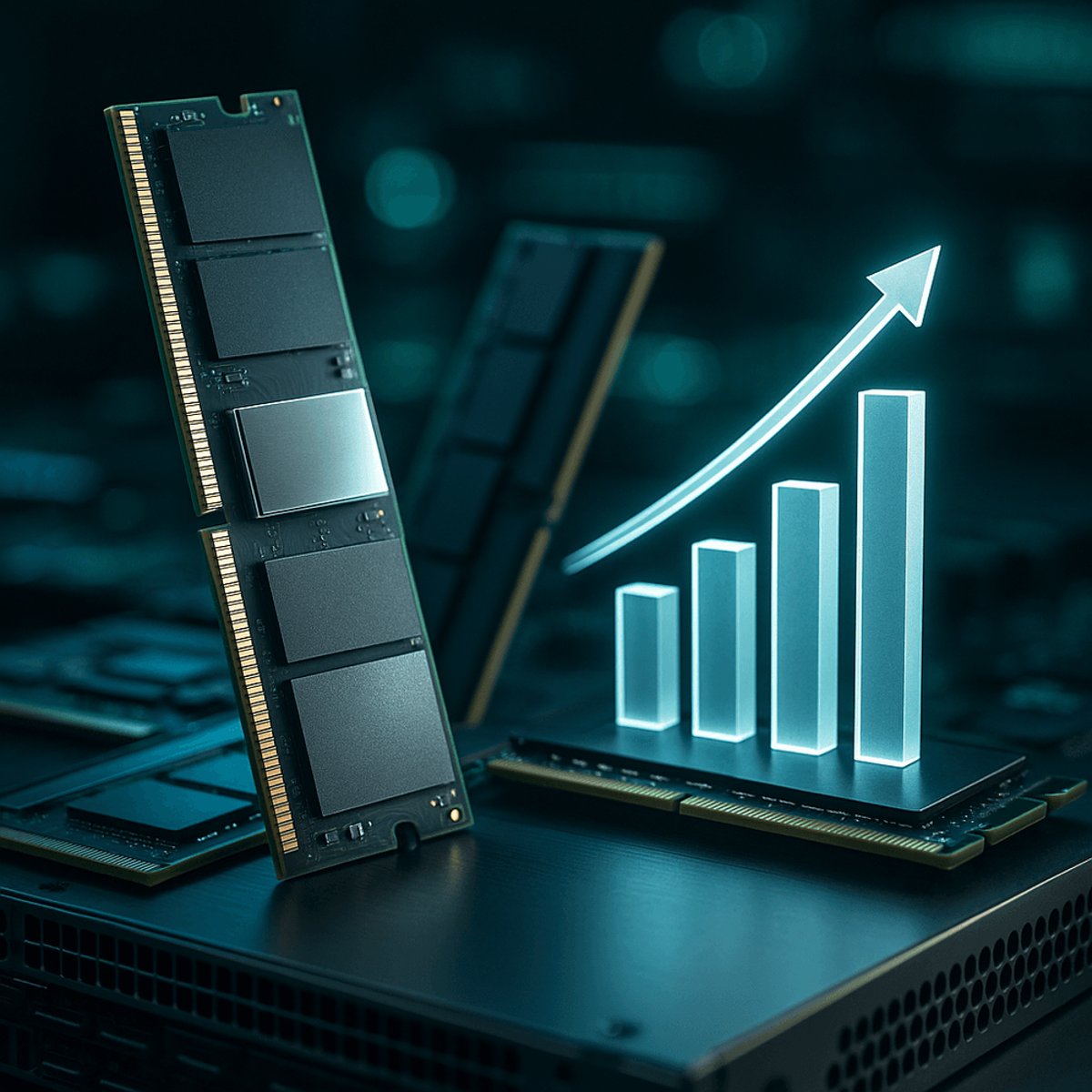
The secret sauce? High-bandwidth memory, or HBM - the specialized chips that act as the high-speed pipeline between processors and data in AI datacenters. While SK Hynix makes regular memory for everything from smartphones to laptops, it's the HBM business that's driving these record-breaking results. Think of HBM as the premium gasoline for AI engines - more expensive, higher performance, and absolutely essential for the kind of massive language models that companies are racing to deploy.
Nvidia has been SK Hynix's biggest customer for these chips, and that relationship is paying dividends as the AI boom accelerates. But the competitive landscape is shifting fast. Samsung recently passed Nvidia's qualification tests for advanced HBM products, according to local reports, while Micron has already started supplying Nvidia with its own HBM technology.
"With the innovation of AI technology, the memory market has shifted to a new paradigm," SK Hynix CFO Kim Woohyun told investors. The company isn't just riding the wave - it's helping create it. SK Hynix currently holds a commanding 64% share of the global HBM market, which exploded 178% year-over-year in the second quarter alone, according to Counterpoint Research.
The broader DRAM market tells an equally compelling story. SK Hynix grabbed the top spot with a 38% revenue share in Q2, overtaking longtime leader Samsung for the first time. It's a remarkable shift in an industry where market leadership has historically been stable for years at a time.
But here's where things get interesting for investors watching the AI infrastructure buildout. MS Hwang, research director at Counterpoint Research, projects the HBM market will balloon to $43 billion by 2027. That's not just growth - that's the kind of market expansion that creates entirely new revenue streams for memory manufacturers.
The timing couldn't be better. As Meta, Microsoft, Google, and other tech giants pour hundreds of billions into AI infrastructure, they need massive amounts of high-performance memory to train and run increasingly sophisticated models. SK Hynix has positioned itself perfectly at the intersection of supply and demand.
Yet challenges loom. "For SK Hynix to continue generating profits, it'll be important for the company to maintain and enhance its competitive edge," Hwang noted. Samsung reports earnings Thursday, and investors will be watching closely to see how aggressively the Korean rival is pursuing HBM market share. Micron isn't sitting still either, having already broken into Nvidia's supply chain.
The real test comes next. Can SK Hynix maintain its technological edge as competitors pour resources into catching up? Will demand continue growing fast enough to support these premium pricing levels? And how will the company navigate potential geopolitical tensions that could disrupt its supply chains or customer relationships?
SK Hynix's blowout quarter isn't just about one company's success - it's a window into the massive infrastructure investments powering the AI revolution. With HBM demand expected to triple by 2027 and competition intensifying, the memory wars are just getting started. For investors, the key question isn't whether AI will drive continued growth, but which companies will capture the most value as this $43 billion market takes shape.