The tech industry's RAM shortage, dubbed 'RAMaggeddon,' is hitting consumers hard this week as major manufacturers announce steep price increases across computers, tablets, and gaming hardware. Valve's long-awaited Steam Machine launched at a shocking $1,049 for the base model - nearly double the PS5's price - while Apple, Microsoft, and other PC makers quietly raise prices citing component constraints. The timing couldn't be worse for consumers, with analysts warning the shortage shows no signs of easing through 2026.
Valve just dropped a bomb on gamers expecting affordable hardware. The company's Steam Machine, a console-like PC that's been in development for years, finally got a price tag this week - and it's brutal. At $1,049 for the entry-level 512GB configuration, it costs nearly double what Sony charges for the six-year-old PS5. The culprit? A memory component shortage that's reshaping pricing across the entire tech industry.
The timing of Valve's announcement underscores how severe the situation has become. According to The Verge's hands-on review, the Steam Machine delivers PS5-level performance, but the component crisis means consumers are paying a premium that would've been unthinkable just two years ago. This isn't just about one product launch gone expensive - it's a signal that the entire consumer hardware market is being repriced in real time.
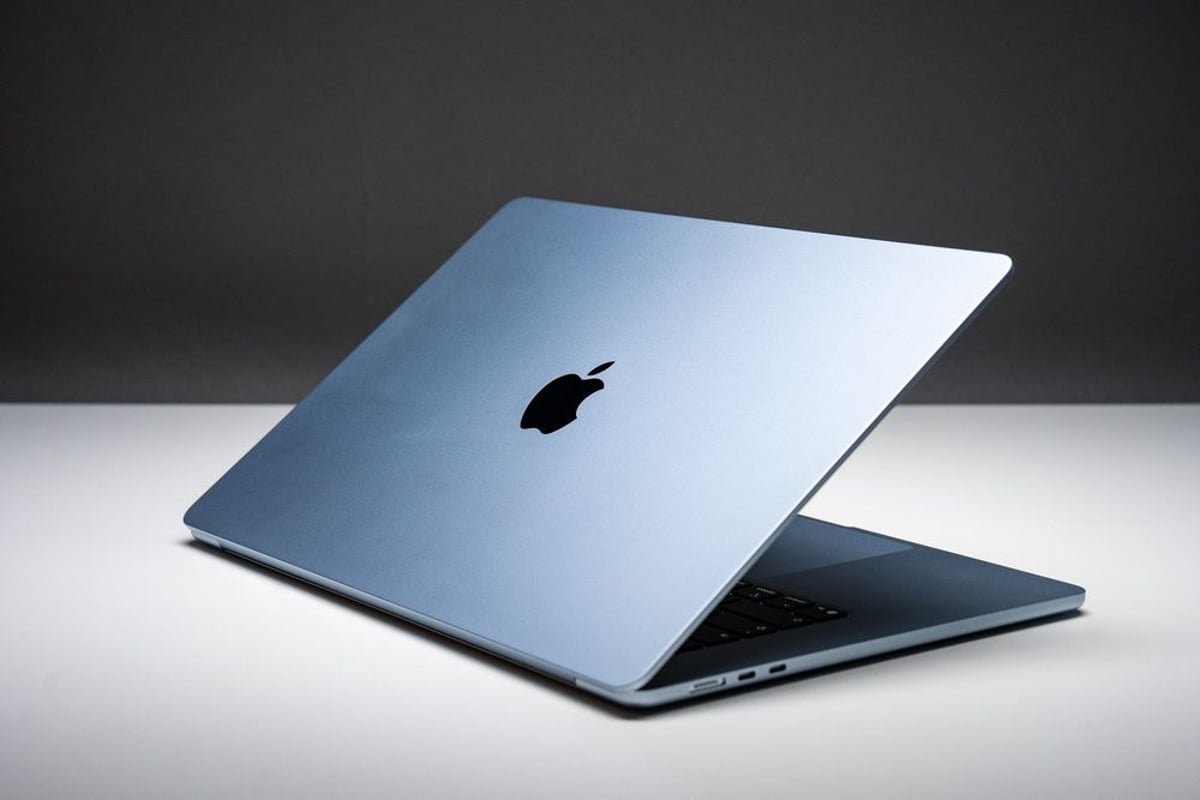
Apple hasn't escaped the crunch either. The company's MacBook Air 15-inch with M5 chip, featured in testing by The Verge, represents a new baseline for laptop pricing. While Apple hasn't officially announced price increases, retail channels show the M5 MacBooks commanding 12-15% premiums over equivalent M4 models from earlier this year. That's significant for a company that typically holds pricing steady between generations.
Microsoft and its Surface line are facing similar pressures. Industry sources suggest the company delayed its summer Surface refresh partly due to RAM procurement challenges. The shortage stems from a perfect storm of factors, including increased demand for AI servers that use similar memory components, manufacturing capacity constraints, and geopolitical tensions affecting supply chains in Asia.
What's striking about this week's developments is the breadth of impact. Gaming hardware, productivity laptops, tablets - everything with significant onboard memory is getting more expensive. The RAM shortage doesn't discriminate between consumer segments. Whether you're a gamer eyeing Valve's new machine or a creative professional shopping for a MacBook, you're facing the same fundamental supply-demand imbalance.
The economics are straightforward but painful. DRAM and other memory components have seen spot prices jump 35-40% since Q1 2026, according to industry trackers. Manufacturers can either absorb those costs and sacrifice margins, or pass them through to consumers. Most are choosing the latter. Valve's pricing decision reflects this reality - the company appears to be maintaining its typical hardware margins rather than subsidizing units to hit a more palatable price point.
For consumers, the 'wait and see' strategy that usually pays off with tech purchases isn't looking promising this time. Analysts tracking the semiconductor industry suggest memory prices will remain elevated through at least Q4 2026, possibly into 2027. The production capacity needed to ease the shortage takes months to bring online, and current demand from enterprise AI deployments continues to consume available supply.
The ripple effects extend beyond just higher prices. Some manufacturers are reportedly adjusting product configurations, offering models with less RAM or slower memory to hit lower price targets. That creates a different kind of problem - devices that may be cheaper upfront but offer compromised performance or shorter useful lifespans.
Gaming has emerged as the segment hit hardest by RAMaggeddon. Modern titles increasingly demand 16GB or more of unified memory, making it difficult for manufacturers to skimp on RAM without severely limiting the gaming experience. Valve's Steam Machine, designed to compete directly with consoles, needs enough memory to run PC games at console-equivalent settings. That requirement, combined with component costs, pushed the base price well beyond what most gamers expected.
What makes the current shortage particularly frustrating is how quickly the situation deteriorated. Six months ago, industry forecasts suggested memory supply would remain relatively stable through 2026. The explosion in AI infrastructure spending changed that equation overnight, creating unexpected competition for the same components that power consumer devices.
The RAM shortage isn't just creating sticker shock - it's fundamentally reshaping what consumers can expect to pay for new hardware through at least the end of 2026. Valve's $1,049 Steam Machine serves as the canary in the coal mine, but Apple, Microsoft, and virtually every PC manufacturer are navigating the same cost pressures. For anyone shopping for a computer, tablet, or gaming device right now, the brutal reality is that waiting for prices to drop probably won't pay off anytime soon. The supply-demand imbalance driving RAMaggeddon looks sticky, and manufacturers have shown they're willing to pass those costs directly to consumers rather than sacrifice their margins.