Rivian just revealed the vehicle that will either make or break the company. The R2, a midsize electric SUV priced under $50,000, hit the stage Thursday as the startup's most critical product launch yet. It's not just another EV - it's Rivian's shot at challenging Tesla's dominance in the American electric vehicle market. The stakes couldn't be higher: succeed, and Rivian becomes a legitimate Tesla rival. Fail, and the company's future looks grim.
Rivian just put everything on the line. The California-based EV startup pulled back the curtain Thursday on the R2, a midsize electric SUV that starts under $50,000 and represents the company's most important vehicle to date. This isn't just another product launch - it's a survival play in an increasingly brutal EV landscape.
The timing couldn't be more critical. While legacy automakers pump the brakes on electric ambitions and startups fold left and right, Rivian is doubling down with a vehicle designed to go head-to-head with Tesla's Model Y. The R2's sub-$50K price tag puts it squarely in the mass-market sweet spot that Tesla has dominated for years.
"The R2 is designed to take Rivian to the next level," according to The Verge's coverage of the reveal event. But "next level" might be an understatement. For Rivian, the R2 represents the difference between becoming America's next major automaker and joining the growing pile of failed EV dreams.
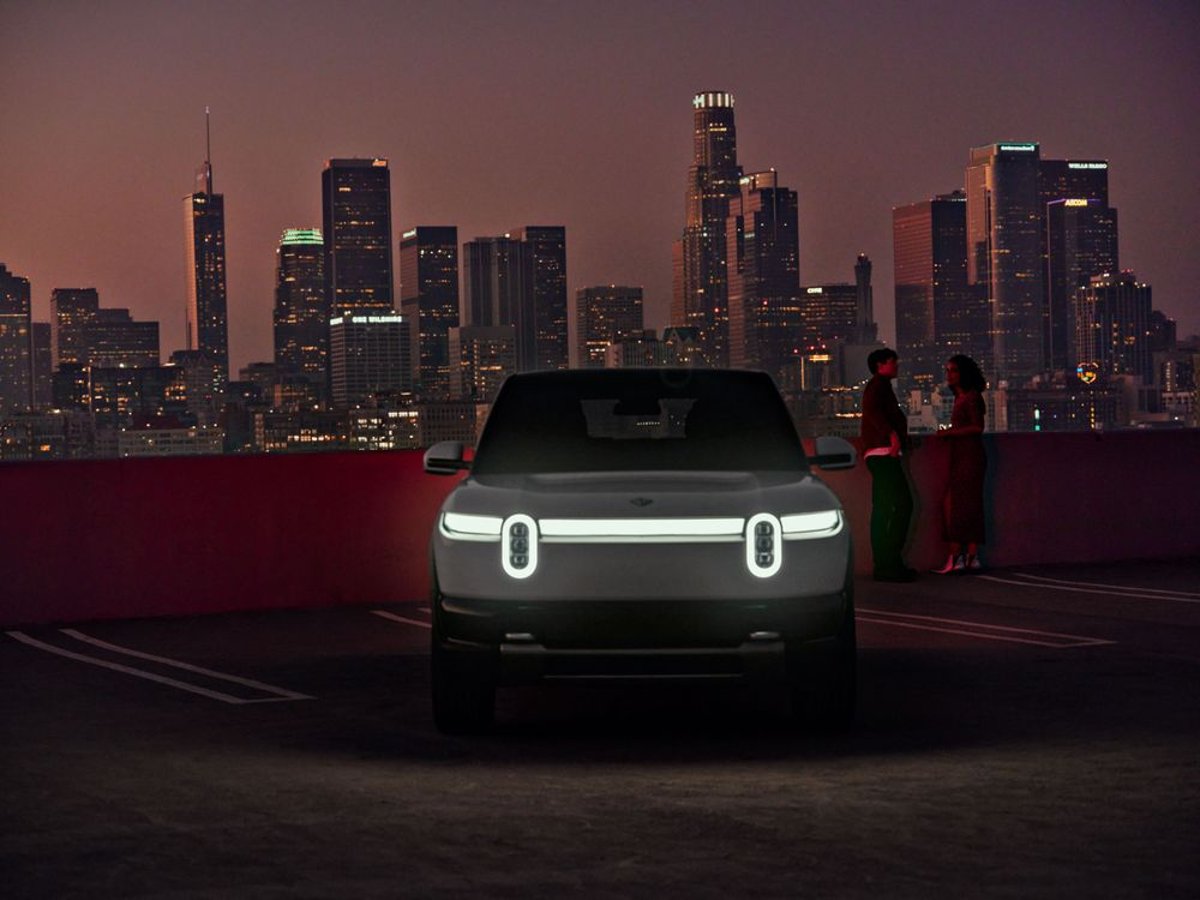
The competitive dynamics are stark. Tesla has spent years building manufacturing scale and brand loyalty around vehicles like the Model Y. Now Rivian is betting it can carve out market share with distinctive design and an attractive sticker price. The R2's Glacier White exterior and signature oval headlights signal Rivian's commitment to standing out in a sea of increasingly similar electric crossovers.
But design alone won't save the company. Rivian needs volume, and fast. The startup has burned through billions building its Illinois manufacturing facility and launching the premium R1T truck and R1S SUV. Those vehicles earned critical acclaim but haven't delivered the scale needed for profitability. The R2 has to succeed where its pricier siblings couldn't - bringing Rivian to the masses.
The broader EV market isn't helping. Consumer demand has cooled from the fever pitch of 2021-2022. Tesla has resorted to aggressive price cuts to maintain volume. Legacy automakers like Ford and GM have delayed or canceled electric programs. Meanwhile, Chinese competitors like BYD are flooding global markets with affordable EVs that make even $50,000 look expensive.
Rivian's advantage lies in its focus. Unlike traditional automakers juggling gas and electric lineups, Rivian is pure EV. The company designed the R2 from the ground up as an electric vehicle, without the compromises that come from adapting existing platforms. That should translate to better efficiency, more interior space, and a driving experience optimized for electric powertrains.
The path forward narrows quickly. Rivian needs to ramp R2 production while maintaining quality, keep costs under control despite inflationary pressures, and convince consumers to take a chance on a relatively young brand. Every competitor is watching. If the R2 stumbles, the entire startup EV model gets called into question. If it succeeds, Rivian proves there's room for more than just Tesla in America's electric future.
Investors are clearly paying attention. The company's survival increasingly depends on R2 execution, making this reveal more than just a product announcement. It's a statement about whether independent EV startups can compete in an industry dominated by century-old manufacturers and Tesla's first-mover advantage.
The R2 arrives at a moment when the EV industry desperately needs success stories. Too many promising programs have died in recent months. Rivian's team knows they're not just launching a vehicle - they're proving a concept. Can a well-funded startup with strong engineering take on the giants? The answer determines whether Rivian becomes the next Tesla or another cautionary tale.
Rivian's R2 reveal marks a pivotal moment not just for the company, but for the entire independent EV startup ecosystem. With a sub-$50,000 price tag and direct aim at Tesla's Model Y dominance, the R2 either propels Rivian into legitimate contention as America's next major electric automaker or becomes a very expensive lesson in why taking on Tesla is so difficult. The next 12-18 months of production ramp and market reception will determine whether Rivian's bold bet pays off or whether the EV graveyard claims another ambitious victim. For everyone watching the electric transition, the R2's fate matters beyond Rivian's balance sheet - it's a test of whether innovation and fresh thinking can still disrupt an industry increasingly dominated by scale and incumbency.