The autonomous vehicle industry just drew a line in the sand. Seven major robotaxi companies—Aurora, May Mobility, Motional, Nuro, Tesla, Waymo, and Zoox—refused to tell Senator Ed Markey how often their supposedly self-driving vehicles need human intervention. The coordinated silence during a federal investigation raises uncomfortable questions about an industry racing to scale autonomous operations while keeping critical safety data under wraps.
Tesla calls its system Full Self-Driving. Waymo operates driverless taxis across multiple cities. But when Congress asked the simplest question—how often do humans need to bail out your autonomous vehicles?—the industry went silent.
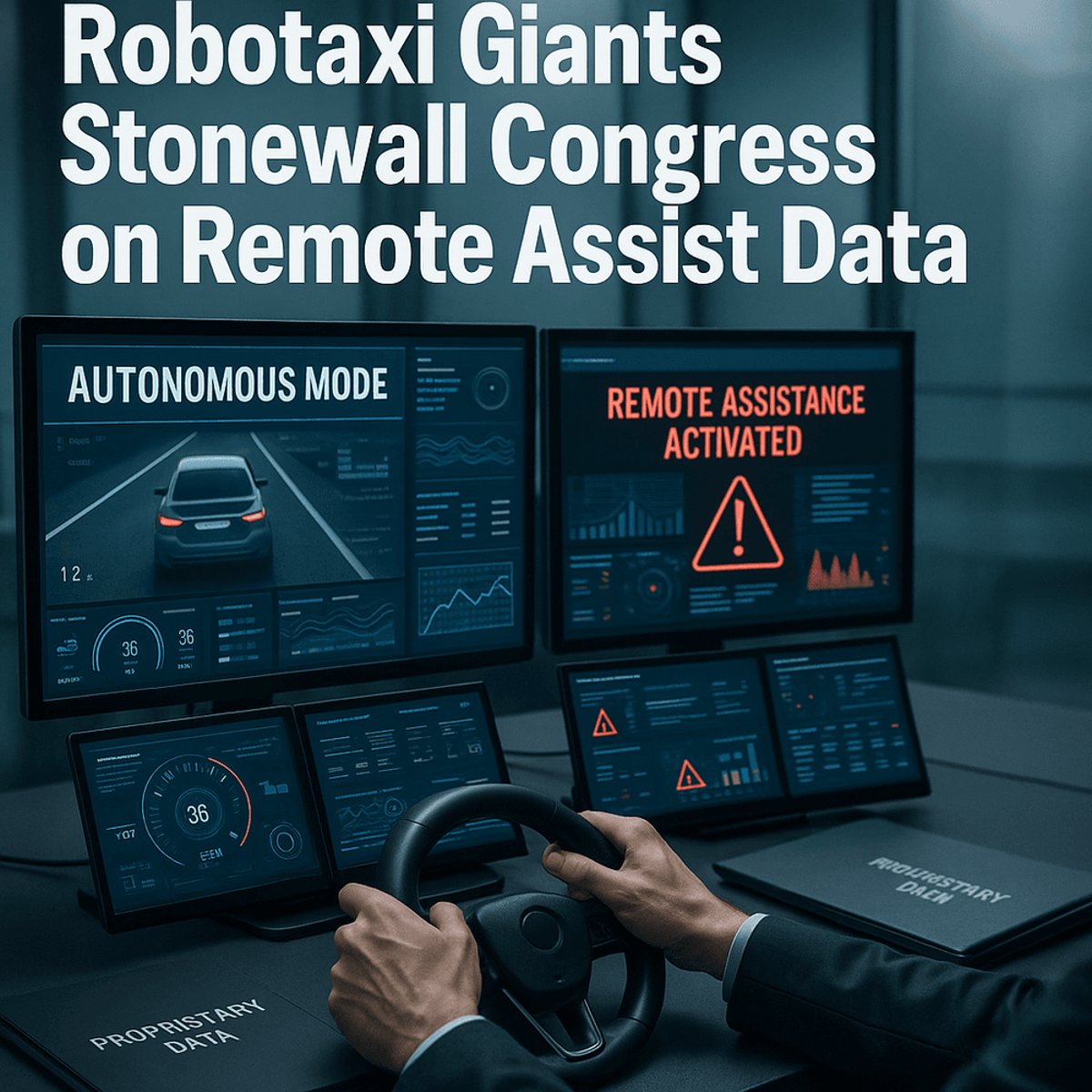
Senator Ed Markey's investigation hit a wall when all seven companies refused to disclose their remote intervention rates, according to TechCrunch. The Massachusetts Democrat has been pushing for greater transparency in the rapidly expanding autonomous vehicle sector, where companies now operate thousands of robotaxis while keeping crucial performance metrics locked away as proprietary information.
The timing couldn't be more critical. Waymo just expanded its San Francisco operations and launched service to San Francisco International Airport. Amazon-owned Zoox continues testing its purpose-built robotaxis in Las Vegas and California. Tesla keeps promising its Full Self-Driving system will achieve true autonomy. Yet none will say how often remote operators need to step in when their AI systems get confused.
Remote assistance isn't some edge case failure mode. It's a fundamental part of how autonomous vehicles operate today. When an AV encounters construction, unusual weather, or simply gets stuck, remote operators provide guidance. Waymo has acknowledged its vehicles can contact remote assistance teams, but the company treats specific intervention rates as competitive intelligence.
The refusal cuts across the entire industry spectrum. Aurora, which focuses on autonomous trucking and has partnerships with FedEx and Uber Freight, stayed quiet. Nuro, the delivery robot company backed by SoftBank, didn't share numbers. Even May Mobility, which operates smaller-scale shuttle services, refused to disclose intervention frequencies.
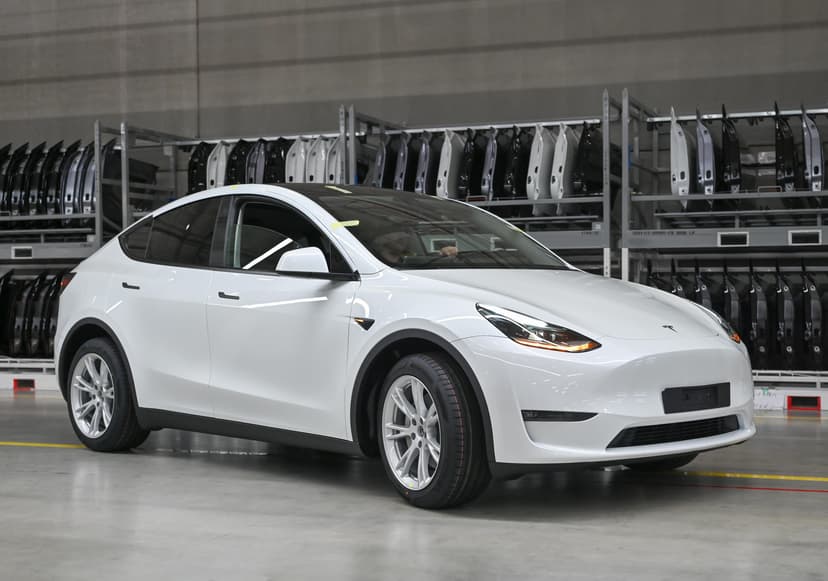
Tesla presents the most complex case. The company's Full Self-Driving system requires constant driver supervision and isn't truly autonomous, but CEO Elon Musk has repeatedly claimed full autonomy is imminent. Without intervention data, there's no way to verify those claims or track improvement over time.
The industry argues that remote intervention rates don't tell the full story. Waymo has previously stated that not all remote contacts represent safety issues—some involve customer service or routing optimization. But that nuance doesn't explain the blanket refusal to provide any data at all.
California requires companies testing autonomous vehicles to report disengagements, where human drivers take control. But those reports only cover test vehicles with safety drivers, not fully driverless operations. And they don't capture remote assistance, where the vehicle stays in autonomous mode while receiving human guidance.
The coordinated silence suggests the numbers might be worse than the industry wants to admit. If remote interventions were rare enough to showcase true autonomy, companies would likely trumpet those statistics. Instead, they're claiming trade secrets.
Senator Markey's investigation comes as Congress debates federal autonomous vehicle legislation. The industry has long argued that state-by-state regulation creates a patchwork that slows innovation. But without basic transparency on safety-critical metrics like intervention rates, federal lawmakers can't write informed policy.
Waymo operates more than 700 vehicles across Phoenix, San Francisco, Los Angeles, and Austin. The company recently announced plans for additional expansion. Tesla has hundreds of thousands of customers using Full Self-Driving in varying conditions. Zoox aims to scale its robotaxi fleet commercially. The stakes keep rising while the data stays hidden.
Competitors outside the US take different approaches. Chinese autonomous vehicle companies face strict government oversight and reporting requirements. European regulators demand detailed safety documentation. The American approach—let companies self-regulate and trust them to disclose problems—looks increasingly untenable when they won't answer basic questions.
The refusal also undermines public trust at a crucial moment. Multiple high-profile crashes involving Tesla's Autopilot and Full Self-Driving have generated headlines. A Waymo vehicle struck a cyclist in San Francisco. Cruise, owned by General Motors, had its California permit suspended after an incident where a pedestrian was dragged. Without transparent safety data, every incident fuels skepticism about the entire technology.
The autonomous vehicle industry wants the freedom to operate without federal oversight but won't provide the transparency that would justify that trust. Remote intervention rates aren't just competitive metrics—they're the best available indicator of whether these systems actually work as advertised. Until Waymo, Tesla, and their competitors start sharing real performance data, expect Congress to keep pushing and public skepticism to keep growing. The question isn't whether regulators will demand this information eventually. It's how many incidents will happen first while the industry keeps its safety statistics secret.