Samsung just rolled out its biggest home appliance marketing campaign in years, betting that AI-powered kitchens and smart connectivity will drive the next wave of consumer upgrades. The "Why Samsung" global push spans 50+ countries and positions the company's Bespoke AI, Knox security, and SmartThings ecosystem as the foundation for the connected home of tomorrow.
Samsung is making its biggest bet yet that consumers are ready to reimagine their kitchens around artificial intelligence. The company's new "Why Samsung" global marketing campaign, launching across more than 50 countries through digital platforms and social media, positions AI-powered appliances as the centerpiece of tomorrow's connected home.
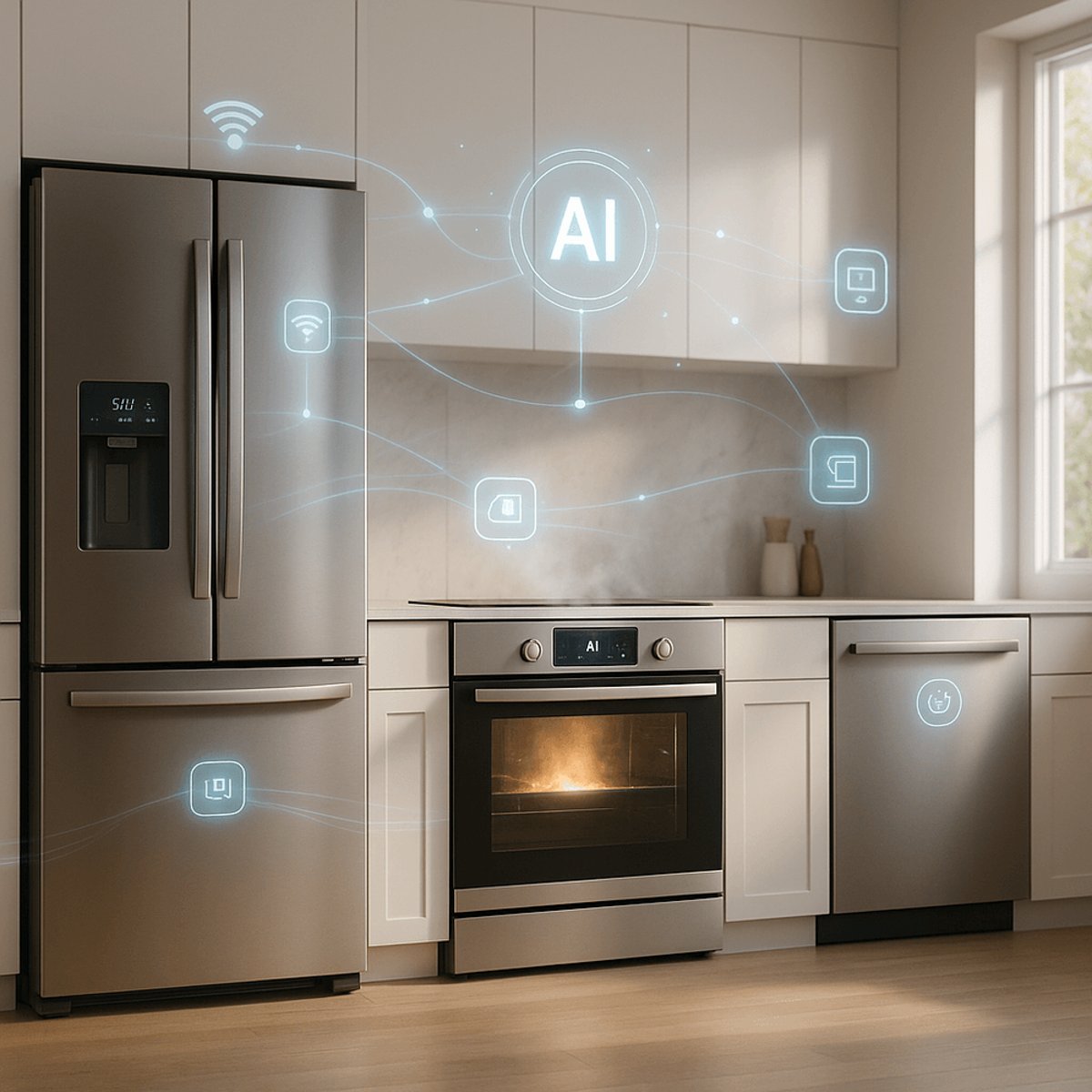
The campaign kicks off with a promotional video showcasing Samsung's Bespoke AI technology, where refrigerators, ovens, and other appliances work together to create what the company calls "an intelligent AI kitchen." It's Samsung's most ambitious consumer push since the Galaxy smartphone campaigns, but this time the target isn't your pocket - it's your entire home.
"The 'Why Samsung' campaign brings together what truly defines Samsung appliances - innovative Bespoke AI, seamless SmartThings connectivity, trusted Knox security, and lasting reliability," Jessie Song, VP and Head of Marketing at Samsung's Digital Appliances division, told the Samsung Newsroom. The statement reveals how Samsung is positioning itself against competitors like LG and Whirlpool who are also racing to add smart features to traditional appliances.
Behind the marketing gloss lies a significant technical infrastructure play. Samsung's SmartThings platform now serves as what the company calls "the central engine of the AI home," connecting everything from robot vacuums that adapt to user lifestyles to all-in-one washer-dryers that optimize each cycle based on fabric type and soil level. The ecosystem approach mirrors Samsung's smartphone strategy, where hardware, software, and services create switching costs for consumers.
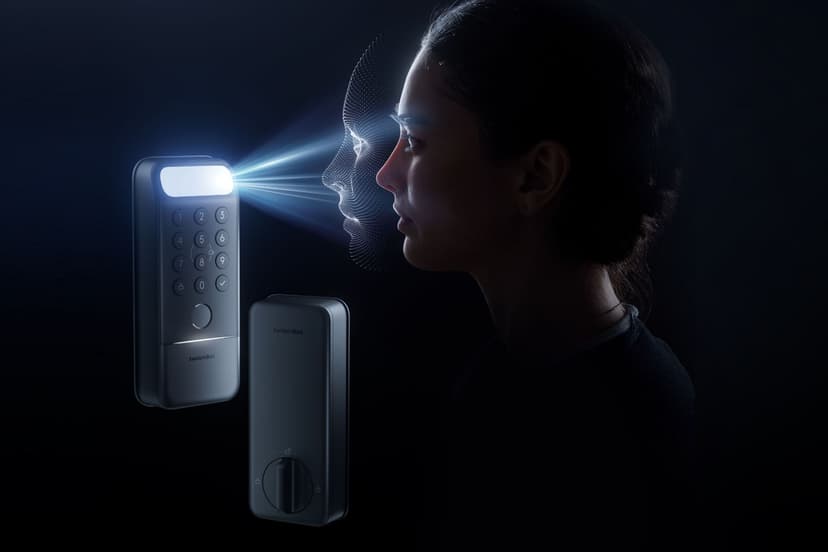
Security concerns have long plagued connected appliances, and Samsung is addressing this head-on by extending its Knox security platform from mobile devices to home appliances. The Knox system provides protection from malware and external threats, according to Samsung's technical documentation, addressing one of the biggest consumer hesitations around smart home adoption.
Perhaps most significantly, Samsung is promising up to seven years of free One UI software upgrades for Wi-Fi-enabled appliances released in 2024 and later. This commitment directly tackles the "software obsolescence" problem that has made many consumers wary of smart appliances. Unlike smartphones that consumers replace every few years, appliances are expected to last a decade or more.
The global rollout also highlights Samsung's Home Appliance Remote Management (HRM) service, now available in more than 120 countries as of August 2025. This allows Samsung technicians to diagnose and often fix appliance issues remotely, potentially reducing service calls and extending product lifecycles. It's a page from Tesla's playbook of using software updates to improve hardware performance over time.
Competitively, Samsung's timing couldn't be better. Apple has largely stayed out of major appliances, focusing instead on smart home hubs and accessories. Google provides the software brains through Assistant integration but doesn't make the hardware. This leaves Samsung, LG, and traditional appliance makers to duke it out for the AI-powered kitchen of the future.
The campaign's emphasis on "reliability" also signals Samsung's awareness of quality perception challenges. The company has invested heavily in key components like compressors and motors, leveraging its semiconductor and manufacturing expertise to build more durable appliances that can handle the computational demands of AI processing.
What's notable is Samsung's decision to make this a global campaign rather than testing in select markets first. The 50+ country rollout suggests internal data showing strong consumer interest in AI-powered appliances, or perhaps urgency to establish market position before competitors catch up.
Samsung's "Why Samsung" campaign represents more than marketing - it's a strategic declaration that the company sees AI as the key differentiator in the next appliance upgrade cycle. With seven-year software support promises and global Knox security integration, Samsung is betting that consumers are ready to pay premium prices for truly smart appliances. The real test will be whether AI washing machines and connected ovens can justify their higher price tags when basic appliances still do the job for most households.