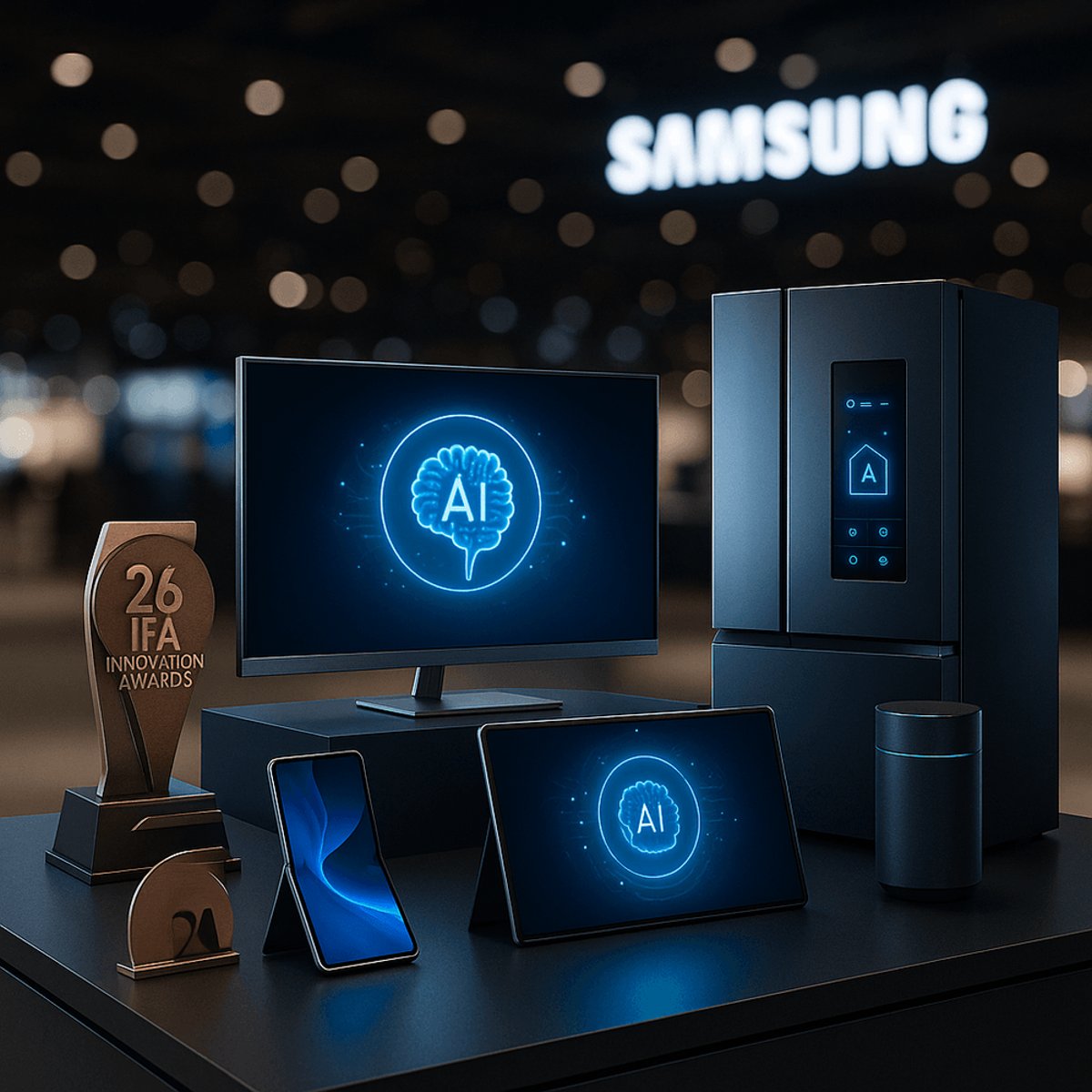
Samsung just dominated Europe's biggest tech showcase with an unprecedented 26 IFA Innovation Awards, including nine Best of Innovation winners. The South Korean giant's comprehensive AI integration across everything from the Galaxy Z Fold7 to smart washing machines signals how artificial intelligence has become the defining battleground in consumer electronics. This isn't just about winning awards — it's about demonstrating market leadership in the AI era at IFA 2025 in Berlin.
Samsung just rewrote the playbook for tech industry dominance at IFA 2025. The company's staggering haul of 26 Innovation Awards — including nine Best of Innovation winners — represents more than corporate recognition; it's a declaration that artificial intelligence has become the new competitive moat in consumer electronics.
The timing couldn't be more strategic. As IFA Berlin debuts its new Innovation Awards program to mark the century-old trade show's evolution, Samsung positioned itself as the AI-first electronics giant. "These recognitions come ahead of IFA 2025, which is Europe's largest consumer trade show," according to Samsung's announcement, held September 5-9 in Berlin.
The Galaxy lineup led Samsung's mobile assault. The Galaxy Z Fold7 captured Best in Communications & Connectivity by cramming AI optimization into the "thinnest and lightest Galaxy Z Fold series to date." Its One UI 8 interface specifically maximizes the foldable's expansive display for productivity — a direct shot at Apple's iPad Pro and Microsoft's Surface lineup.
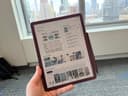
Meanwhile, the Galaxy Tab S11 Ultra secured dual awards for Content Creation and Computing & Gaming. The 14.6-inch tablet's 120Hz Dynamic AMOLED 2X display pairs with the redesigned S Pen and Samsung DeX to create what the company calls a "new level of creativity." For iPad Pro users considering alternatives, Samsung's AI-powered productivity tools present a compelling challenge.
But Samsung's real innovation story unfolds in the smart home category. The Bespoke AI Laundry Combo won Best in Design while delivering 20% better energy efficiency than A-grade EU standards. Its heat pump drying technology slashes energy consumption by 75% compared to traditional condensers — numbers that matter as European energy costs remain elevated.
The Bespoke AI Washer pushes efficiency even further, consuming 65% less energy than Class A EU ratings. That's a 10 percentage point improvement over last year's model, showing Samsung's iterative AI improvements are delivering measurable results.
Samsung's display technology earned multiple nods, including the world-first Micro RGB with 115-inch screens featuring individually controlled red, green, and blue LEDs. Unlike conventional LED TVs using white or blue backlights, Micro RGB achieves 100% of the BT.2020 color gamut — a technical milestone that puts pressure on LG and Sony's premium TV strategies.
The Freestyle+ projector represents Samsung's AI integration at its most ambitious. As the "world's first portable smart projector to be embedded with both on-device and generative AI," it features Samsung's proprietary AI Q Processor. The built-in AI OptiScreen automatically handles image correction, obstacle avoidance, and lighting adjustments — seven features working in concert without user intervention.
Perhaps most intriguingly, the Freestyle+ enables users to create ambient visuals directly from generative AI models. This positions Samsung's projector against both traditional home theater systems and emerging AI art platforms, creating an entirely new product category.
The competitive implications extend beyond individual awards. Samsung's AI integration spans from $400 vacuum cleaners to $10,000+ TVs, creating ecosystem lock-in that rivals Apple's approach. The Bespoke AI Refrigerator's ability to recognize 37 fresh foods and 50 processed items through AI Vision Inside exemplifies this strategy.
Industry analysts note Samsung's timing advantage. While Apple focuses AI efforts on iPhones and Google emphasizes search integration, Samsung embeds AI across its entire consumer electronics portfolio. The IFA sweep validates this comprehensive approach just as holiday shopping season approaches.
For consumers, Samsung's awards translate to practical benefits. The Bespoke AI Jet Ultra's 400W suction power makes it the "world's most powerful stick vacuum cleaner," while AI Cleaning 2.0 automatically adjusts power based on floor types and room structures. These aren't abstract AI features — they're solving daily household challenges.
The Galaxy devices showcase similar practical AI integration. The Galaxy S25 FE brings "multimodal capabilities that make everyday interactions feel more natural," while the Galaxy Z Flip7's edge-to-edge FlexWindow displays personalized information without opening the device.
Samsung's IFA 2025 dominance signals a fundamental shift in consumer electronics competition. While competitors focus AI development on specific product categories, Samsung's comprehensive integration across 26 award-winning products creates ecosystem advantages that could reshape market dynamics. As European consumers face ongoing energy costs and demand smarter home solutions, Samsung's efficiency-focused AI applications offer both environmental benefits and cost savings. The real test comes in holiday sales, where awards must translate to market share gains against Apple, Google, and emerging Chinese competitors.