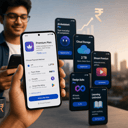
Samsung is making a bold play for ecosystem dominance with its latest One UI design story, showcasing how the interface has evolved from a simple smartphone skin into an AI-powered command center that connects everything from phones to fridges. The timing signals Samsung's answer to Apple's ecosystem lock-in strategy, as the company positions itself as the Android alternative for users who want their devices to work together seamlessly.
Samsung just dropped a design manifesto that reveals more about its strategic direction than any product launch could. The company's latest One UI story isn't just marketing fluff - it's a blueprint for how Samsung plans to challenge Apple's ecosystem dominance through AI-powered device integration.
Since One UI debuted in 2018 as Samsung's answer to stock Android, the interface has quietly evolved into something much bigger. What started as a cleaner smartphone experience now spans tablets, smartwatches, earbuds, laptops, TVs, and even home appliances. Samsung's latest messaging makes it clear: this isn't about individual devices anymore, it's about creating a unified digital life.
The company's emphasis on "seamless continuity" directly targets Apple's biggest strength. Start a task on your Galaxy phone, pick it up on your tablet, finish it on your TV - Samsung is promising the kind of handoff experience that has kept users locked into Apple's ecosystem for years. But Samsung has something Apple doesn't: appliances. The ability to check your fridge's contents from your smartwatch or control your washing machine through the same interface that manages your calendar represents a different kind of ecosystem play.
What's particularly interesting is Samsung's heavy emphasis on AI throughout the design story. The company repeatedly mentions AI-enabled experiences and personalized assistance, suggesting One UI is becoming Samsung's answer to Apple Intelligence. While Apple focuses on on-device AI for privacy, Samsung seems to be positioning itself as the ecosystem that learns and adapts across all your connected devices.
The timing of this design story isn't coincidental. With Apple rolling out more ecosystem features and Google pushing deeper integration between Android and its services, Samsung needs to differentiate its Android experience. One UI has become that differentiator, offering something neither Apple nor Google can: a truly cross-category ecosystem that extends beyond traditional computing devices.
Samsung's smart home strategy is particularly aggressive here. By making your refrigerator as much a part of your digital ecosystem as your phone, Samsung is betting on a future where the boundaries between consumer electronics categories disappear. It's a bold vision that could pay off as smart homes become mainstream.
The company's design language emphasizes personalization and adaptability - "your life, your way" appears throughout the messaging. This contrasts sharply with Apple's more controlled, curated approach to user experience. Samsung is positioning itself as the ecosystem for people who want flexibility and choice, not just seamless integration.
But Samsung faces real challenges in executing this vision. Creating truly seamless experiences across dozens of device categories is exponentially harder than Apple's approach with a handful of tightly controlled product lines. The company will need to maintain consistency while allowing for the vastly different use cases of phones versus refrigerators versus TVs.
The AI integration represents both Samsung's biggest opportunity and its biggest risk. If the company can deliver on its promise of an AI assistant that genuinely understands your routines across all devices, it could create the stickiness that keeps users in the Samsung ecosystem. But if the AI feels gimmicky or inconsistent across devices, it could undermine the entire strategy.
Samsung's One UI design story reveals the company's ambitious plan to out-ecosystem Apple by extending beyond traditional computing into every corner of connected living. The success of this strategy will depend on Samsung's ability to deliver on its AI promises while maintaining the consistency that makes ecosystems valuable. If Samsung can pull it off, it could reshape how we think about device integration - but the execution bar is set incredibly high.