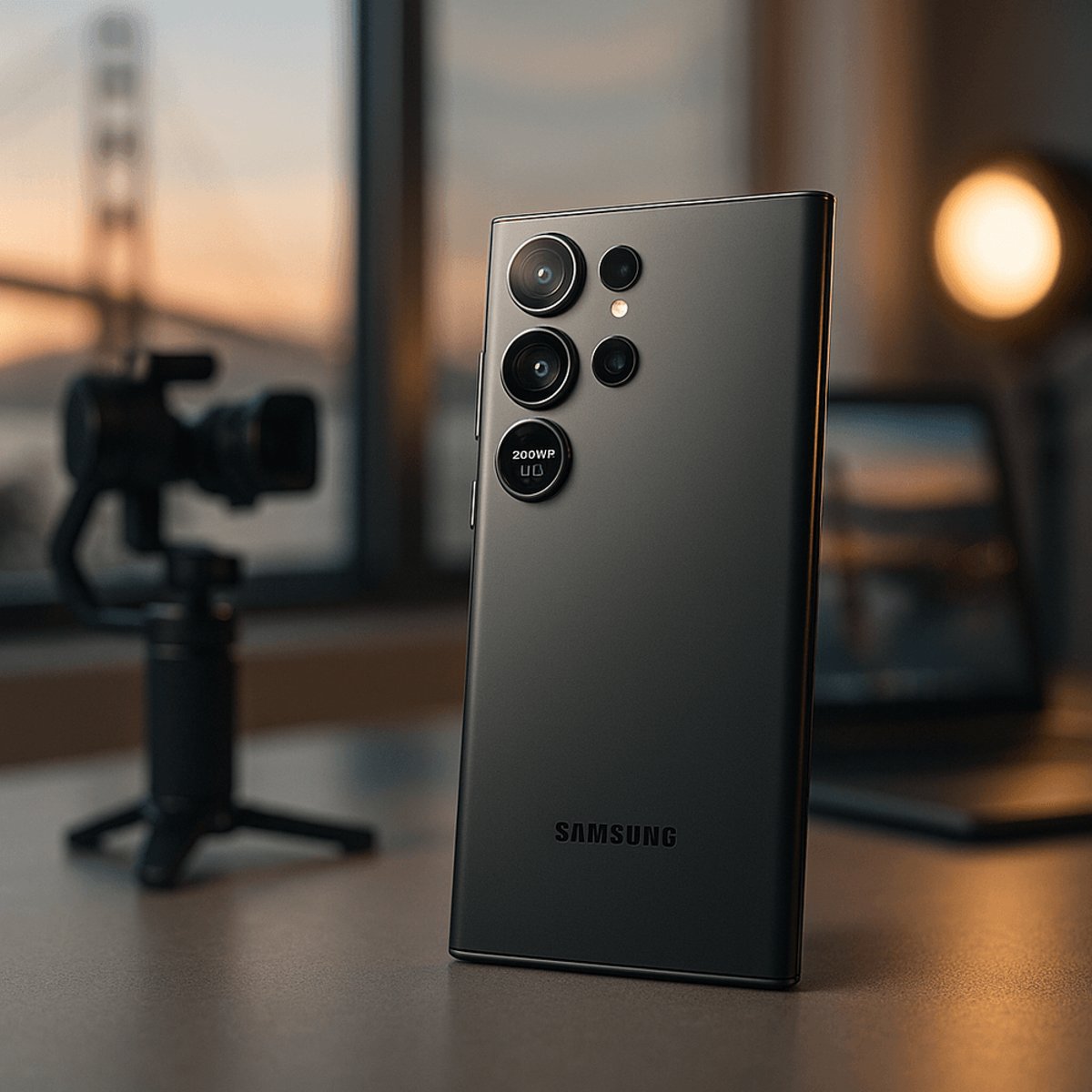
Samsung just pulled back the curtain on the Galaxy S26 Ultra's camera capabilities with a hands-on showcase in San Francisco. The flagship device packs a 200MP wide-angle sensor with an F1.4 aperture alongside a 50MP telephoto lens offering 10x optical zoom, marking Samsung's most ambitious mobile camera system yet. Fresh off Galaxy Unpacked 2026, the company is betting that professional-grade video features and AI-enhanced low-light performance will set a new bar for smartphone photography.
Samsung is making its case for mobile photography dominance with the Galaxy S26 Ultra, and the company picked San Francisco's fog-draped streets and ocean vistas to prove it. Following the device's debut at Galaxy Unpacked 2026, Samsung Newsroom took the flagship through its paces across Pier 39, cable car routes, and nighttime cityscapes to test whether the hardware lives up to the hype.
The star of the show is a 200MP wide-angle sensor paired with a significantly wider F1.4 aperture compared to its predecessor. That's a meaningful jump in light-gathering capability, translating to richer textures and finer detail even when you're cropping aggressively or zooming into distant subjects. During testing at Pier 39, the camera captured Alcatraz Island across the bay with enough clarity that individual features remained sharp when enlarged - something typically reserved for dedicated zoom lenses.
Samsung didn't stop at stills. The Galaxy S26 Ultra introduces support for the Advanced Professional Video codec, making it the first Galaxy device to handle this professional-grade format. APV preserves detail through multiple editing passes, addressing a common pain point for mobile videographers who've watched their footage degrade with each color grade or cut. When filming sea lions at the pier in 8K resolution, even the Golden Gate Bridge in the distant background maintained definition when zoomed.
But specs only matter if the stabilization can keep up. Samsung's new Super Steady feature now includes a horizontal lock option that maintains a level horizon even when the camera swings side to side. The difference becomes immediately obvious in motion-heavy scenarios - footage shot at a nearby theme park stayed level and smooth with the feature enabled, while the same panning motion without it produced the expected jittery results. It's a direct play for the vlogging and action sports crowd that's been pushing smartphone cameras into increasingly demanding situations.
The 50MP telephoto camera delivers 10x optical zoom, giving the S26 Ultra serious reach without resorting to digital trickery. Combined with the 200MP sensor's ability to retain detail when cropping, Samsung is positioning this as a travel photography workhorse that can handle everything from wide landscape shots to distant wildlife without swapping lenses.
As daylight faded, the testing shifted to San Francisco's iconic cable cars and nighttime street scenes. This is where the F1.4 aperture and improved ProVisual Engine - Samsung's AI-powered image processing system - show their value. The wider aperture pulls in more light, while the ProVisual Engine works to reduce noise without obliterating the mood of low-light scenes. Cable cars in motion appeared natural and detailed against the night sky, preserving the atmosphere rather than artificially brightening everything into an overexposed mess.
Samsung calls this enhanced Nightography, and it's clearly targeting the Instagram-generation photographer who wants clean night shots without lugging around a tripod. The system balances noise reduction with preserving the character of nighttime photography - a tricky line that many computational photography systems struggle to walk.
The Galaxy S26 Ultra's camera package positions Samsung squarely against Apple's iPhone Pro lineup and Google's Pixel series, both of which have made computational photography and AI-enhanced features central to their value propositions. While Apple has focused on ProRes video and photographic styles, and Google has leaned into its tensor processing for AI magic, Samsung is betting on a combination of high-resolution hardware and professional codec support to win over creators.
This first showcase focused purely on camera hardware and core features. Samsung has promised a follow-up detailing the AI features that extend beyond capture into editing and sharing - likely including AI-powered object removal, style transfers, and other computational photography tricks that have become table stakes in the premium smartphone market.
For now, the message is clear: Samsung wants the Galaxy S26 Ultra to be taken seriously as a professional content creation tool, not just a phone with a good camera. Whether the APV codec support and pro-grade features actually shift buying decisions among serious mobile photographers remains to be seen, but Samsung is clearly done competing solely on megapixel counts.
Samsung's Galaxy S26 Ultra represents a clear bid to own the premium mobile camera segment with professional-grade features that go beyond incremental sensor upgrades. The combination of a 200MP sensor, F1.4 aperture, APV codec support, and enhanced computational photography positions it as a legitimate tool for content creators rather than just another flagship phone with a good camera. But hardware alone doesn't win markets - Apple and Google have proven that computational photography and ecosystem integration matter just as much as raw specs. Samsung's promised AI features showcase will reveal whether the company can match the hardware ambition with software that makes these professional capabilities accessible to everyday users. For now, the message is sent: Samsung is done playing catch-up in mobile photography.