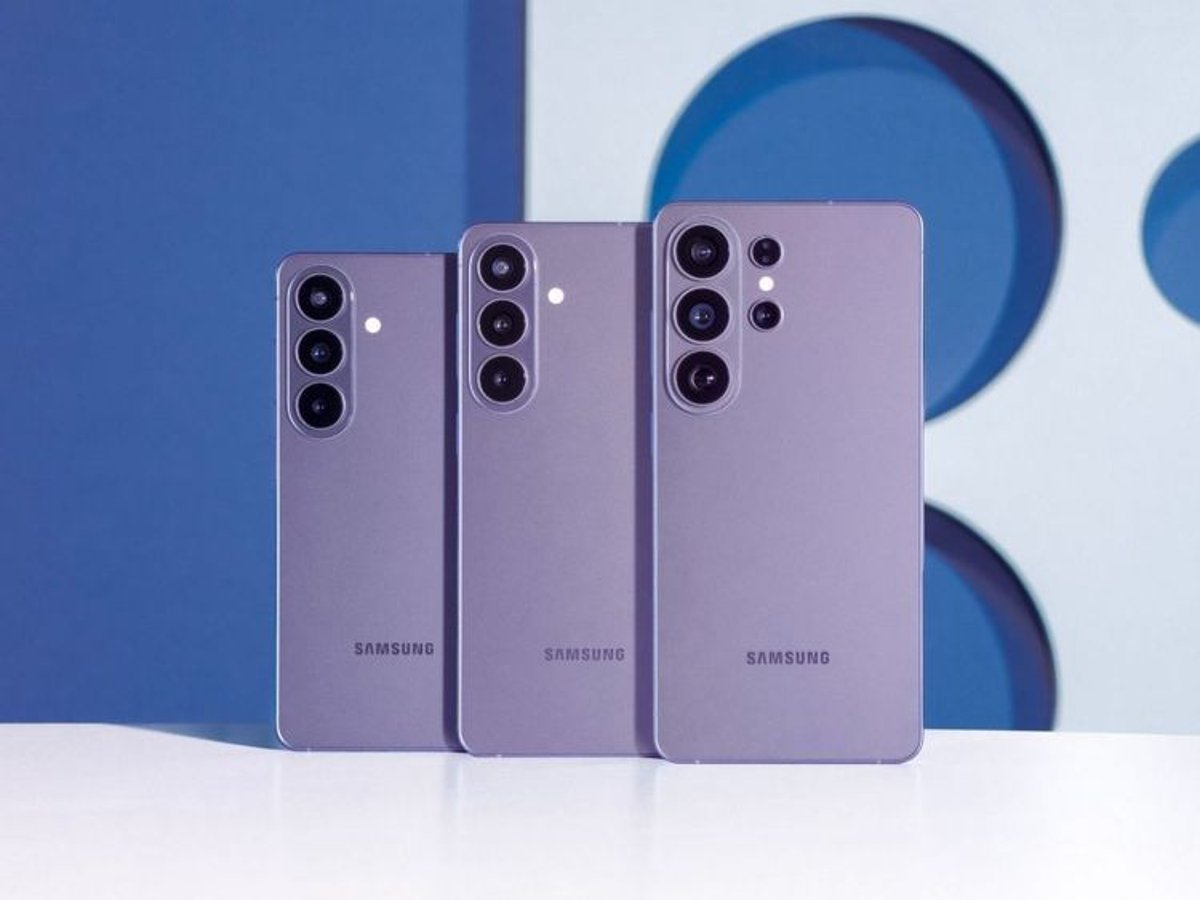
Samsung just made satellite connectivity a standard Galaxy feature. The company announced it's bringing emergency messaging and satellite communication to Galaxy smartphones globally through partnerships with major carriers including T-Mobile, Verizon, Virgin Media O2, and KDDI. The rollout, which started with the Galaxy S26 series, positions Samsung to compete directly with Apple's satellite SOS features while making always-on connectivity a reality for millions of users stuck without cell coverage.
Samsung is betting that satellite connectivity will become as essential as 5G. The company's announcement reveals an aggressive multi-region strategy to bring emergency communications and satellite messaging to Galaxy devices through a web of carrier partnerships that spans three continents.
The timing matters. As AI features demand constant connectivity, Samsung's positioning this as infrastructure, not a gimmick. "As satellite connectivity becomes an important part of the mobile landscape, we are committed to ensuring Galaxy users have reliable access to communication, especially when they need it most," Won-Joon Choi, Samsung's COO and Head of R&D for Mobile Experience, said in the announcement.
The US market shows how fragmented this rollout really is. T-Mobile users with Galaxy S21 and newer devices already get T911 emergency services plus text and data through the carrier's Starlink partnership that launched in 2025. Verizon came later but covers all Galaxy S25 series phones with eSOS and texting. AT&T is still in the works, with Samsung promising support is coming.
Europe's getting similar treatment but with different timelines. Virgin Media O2 in the UK is bringing satellite features to select Galaxy phones now. Spain's MasOrange will kick off joint trials in March. Vodafone is also in discussions to support the technology, though Samsung hasn't specified which markets or devices yet.
Japan's actually ahead of the curve here. KDDI has supported satellite-based text, data, and even earthquake and tsunami warnings on Galaxy S22 and later models since 2025. Now SoftBank and docomo are joining in 2026 with support for flagship and A-series devices. Rakuten Mobile is working on gradual rollout too.
This isn't just about bragging rights. Samsung's playing catch-up to Apple, which launched satellite SOS with iPhone 14 in 2022 and has been expanding the feature ever since. But Samsung's taking a different approach by working through carriers instead of building direct satellite partnerships, which could mean faster scaling but more complexity for users trying to figure out what works where.
The technical reality is messy. Device compatibility varies wildly by model, network, and market. Some phones get full data services, others just emergency SOS. The features also depend on OS and One UI versions, meaning software updates could be the difference between working satellite connectivity and nothing at all.
What Samsung's really selling here is reliability for AI services. The company's framing satellite connectivity as the backbone that keeps Galaxy devices delivering "a truly natural and seamless AI experience" even when cellular networks fail. It's a pitch that makes sense as more AI features require cloud processing and constant data access.
The carrier-dependent rollout creates a patchwork of availability that'll confuse consumers. A Galaxy S26 on T-Mobile gets different features than the same phone on Verizon. European and Japanese users face similar fragmentation. Samsung's essentially building separate satellite experiences for different regions and carriers rather than one unified system.
Industry watchers see this as Samsung acknowledging that connectivity is becoming a competitive battleground. Google is reportedly working on satellite features for Pixel phones. Chinese manufacturers like Huawei already offer satellite messaging in some markets. What was once a premium feature for adventurers is becoming table stakes for flagship devices.
The regulatory landscape adds another layer of complexity. Each country has different rules around satellite spectrum, emergency services integration, and device certification. Samsung's phased rollout reflects these constraints as much as technical readiness or carrier partnerships.
Samsung says it's working to expand support beyond phones to "other Galaxy product categories," which likely means tablets and possibly even smartwatches down the line. That'd make sense given how Apple extended satellite SOS to Apple Watch Ultra.
For consumers, the practical impact depends entirely on your carrier and location. The feature could be a lifesaver during natural disasters or in remote areas, but it won't replace regular cellular service. Most implementations limit satellite connectivity to emergency situations and basic messaging, not full internet access.
Samsung's global satellite push marks a strategic shift in how phone makers think about connectivity. But the carrier-dependent rollout and regional fragmentation mean this is more infrastructure play than user-ready feature. The real test comes when millions of Galaxy users find themselves without cell service and discover whether their specific device, carrier, and location combo actually supports satellite messaging. For now, it's a feature with enormous potential hamstrung by implementation complexity.