Samsung just dropped the most significant smart TV upgrade in years. The company's Vision AI Companion, unveiled today at IFA 2025, transforms any Samsung TV into a conversational AI hub that can answer questions about what's on screen, translate dialogue in real-time, and integrate Microsoft's Copilot directly into your living room experience.
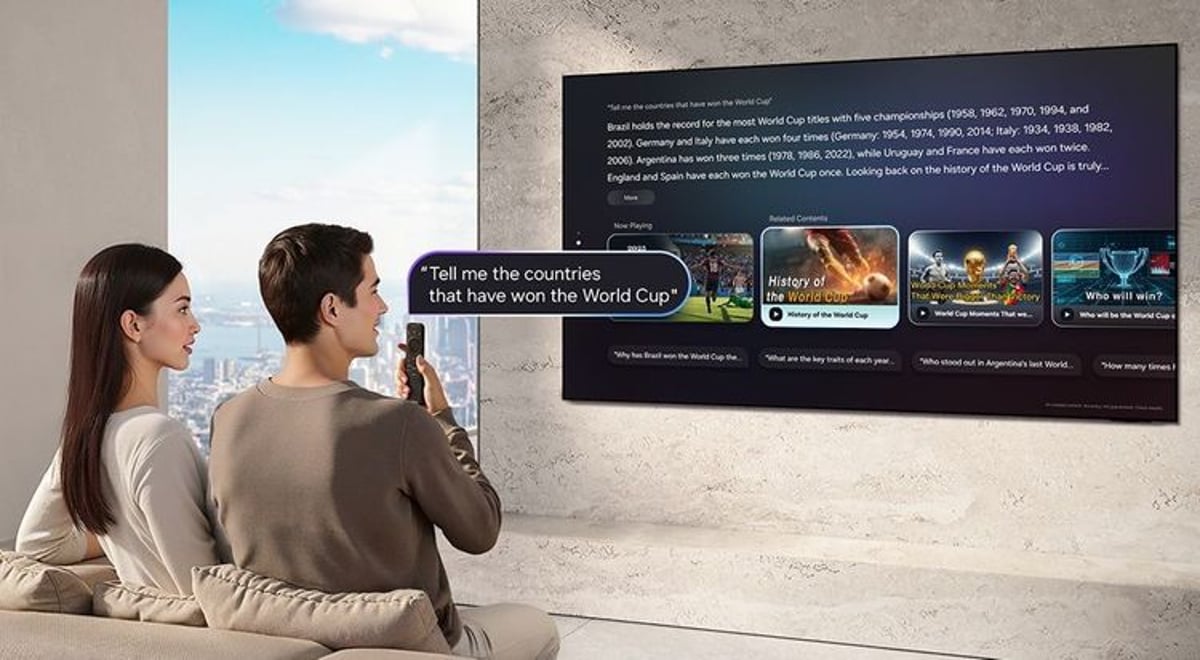
Samsung just rewrote the playbook for smart TVs. The Korean tech giant's Vision AI Companion, unveiled today at IFA 2025, represents the most ambitious integration of conversational AI into home entertainment yet attempted. Unlike voice assistants that require specific commands, this system understands context, follows up on questions, and displays visual responses directly on screen.
The announcement sent ripples through the smart home market immediately. LG shares dipped 2% in Seoul trading as investors processed Samsung's latest AI push, while streaming giants like Netflix and Disney began evaluating how the enhanced discovery features might impact content consumption patterns.
"At Samsung, we're investing in technology that makes experiences more personal, more intuitive, and built for the future," Kevin Lee, Executive Vice President of the Customer Experience Team at Samsung's Visual Display Business, told the press conference in Berlin. "With Vision AI Companion, we are redefining what a TV can do, going beyond picture quality and sound to deliver an experience that understands you, interacts with you and evolves with you over time."
What makes this different from existing smart TV interfaces is the elimination of traditional navigation entirely. Users simply press an AI button on their remote and ask natural questions about anything appearing on screen. Want to know filming locations for that scenic drama? The system provides visual answers with related video clips. Curious about artwork in a documentary? It delivers comprehensive context with follow-up suggestions.
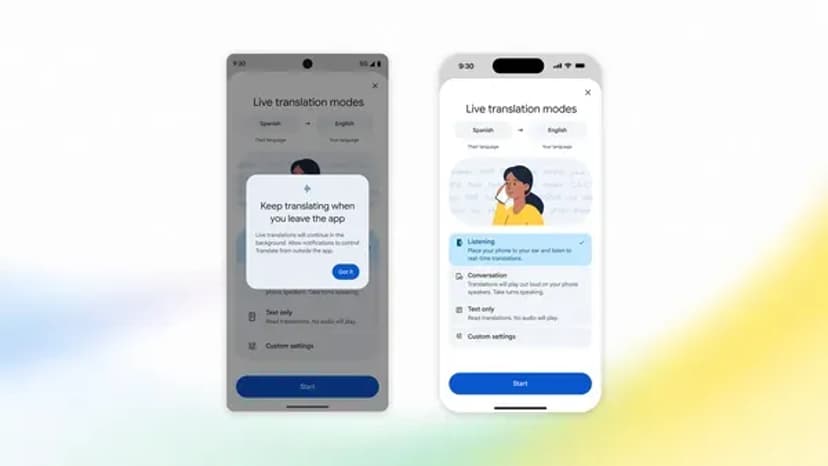
The technical architecture represents a significant leap from Samsung's previous Bixby implementation. Powered by generative AI, Vision AI Companion processes multiple AI agents simultaneously, enabling what Samsung calls "visualized, intelligent responses." The system integrates Live Translate for real-time dialogue translation, Generative Wallpaper for dynamic backgrounds, and AI Picture enhancement that automatically optimizes display settings across content sources.
Perhaps most strategically significant is the Microsoft partnership embedded within the platform. Copilot and Perplexity run as standalone AI agent apps, extending the TV's functionality into productivity and research territories previously reserved for computers. This positions Samsung TVs as potential replacements for home office displays, a market segment worth $15 billion annually according to DisplaySearch analytics.
The gaming integration through AI Gaming Mode could prove equally disruptive. By applying AI-powered optimization to gameplay, Samsung is targeting the $180 billion global gaming market where display quality directly impacts competitive performance. Sony, currently dominant in gaming displays through PlayStation partnerships, faces new pressure as Samsung positions its TVs as premium gaming destinations.
Samsung's timing appears calculated to maximum impact. The late September global rollout, starting in Korea, North America, and select European markets, positions the technology for holiday shopping seasons. More importantly, the seven-year software upgrade commitment through Samsung's One UI Tizen platform addresses a critical consumer concern about smart TV obsolescence.
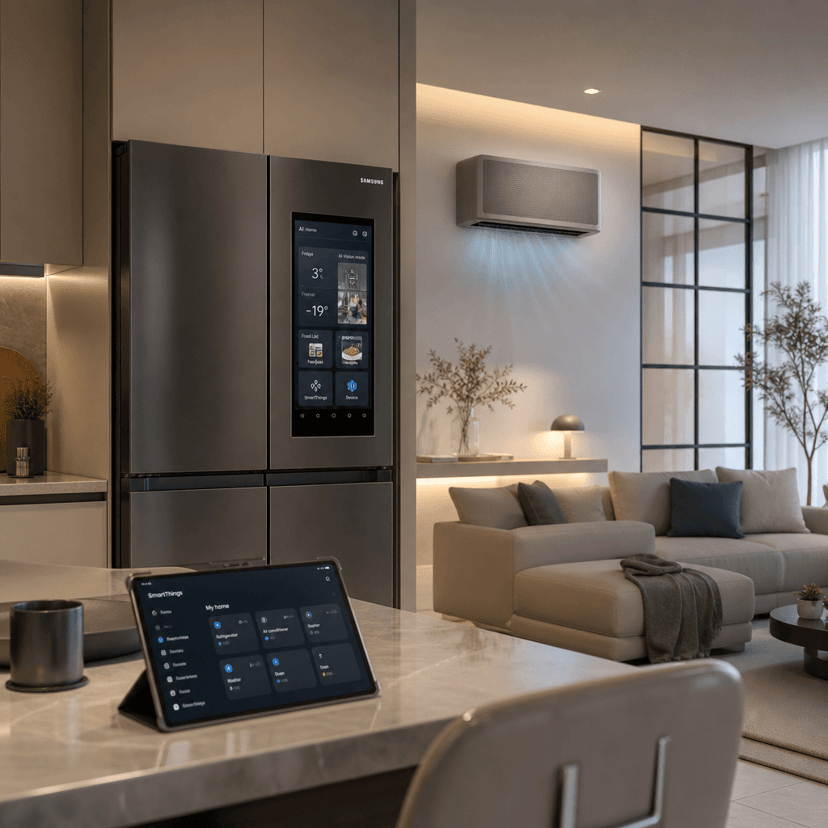
The concept originated at CES 2025, where Samsung first outlined its Vision AI ambitions for enhanced home screen experiences across TVs, monitors, and displays. Today's announcement transforms those concepts into shipping reality, backed by Samsung Knox security infrastructure and the company's established smart home ecosystem.
Competitive response from other TV manufacturers appears inevitable. TCL recently announced its own AI integration roadmap, while traditional players like Panasonic and Philips are reportedly accelerating their smart TV AI development timelines. The question becomes whether any competitor can match Samsung's combination of hardware optimization, software integration, and strategic partnerships.
Samsung's Vision AI Companion represents more than incremental smart TV improvement—it's a fundamental reimagining of how we interact with home entertainment. By eliminating traditional interfaces in favor of conversational AI, Samsung is betting that the future of television belongs to systems that understand context, not just commands. With major streaming services, gaming platforms, and productivity tools now accessible through natural language, the living room TV is evolving into the central hub Samsung has long promised. The real test comes when consumers get their hands on the September update and discover whether conversational TV truly delivers on its transformative potential.