The IPO market just woke up from its longest slumber in decades, and it's not the usual suspects leading the charge. SpaceX, Anthropic, and OpenAI are all racing toward public markets in the same compressed window this summer, marking what could be the most consequential batch of tech debuts since the dot-com era. Wall Street's about to find out if there's enough capital to absorb three of the world's most hyped private companies at once.
The IPO drought is officially over. After nearly two years of frozen public markets, three of tech's most valuable private companies are preparing to go public in what's shaping up to be the industry's most ambitious summer since Facebook's 2012 debut.
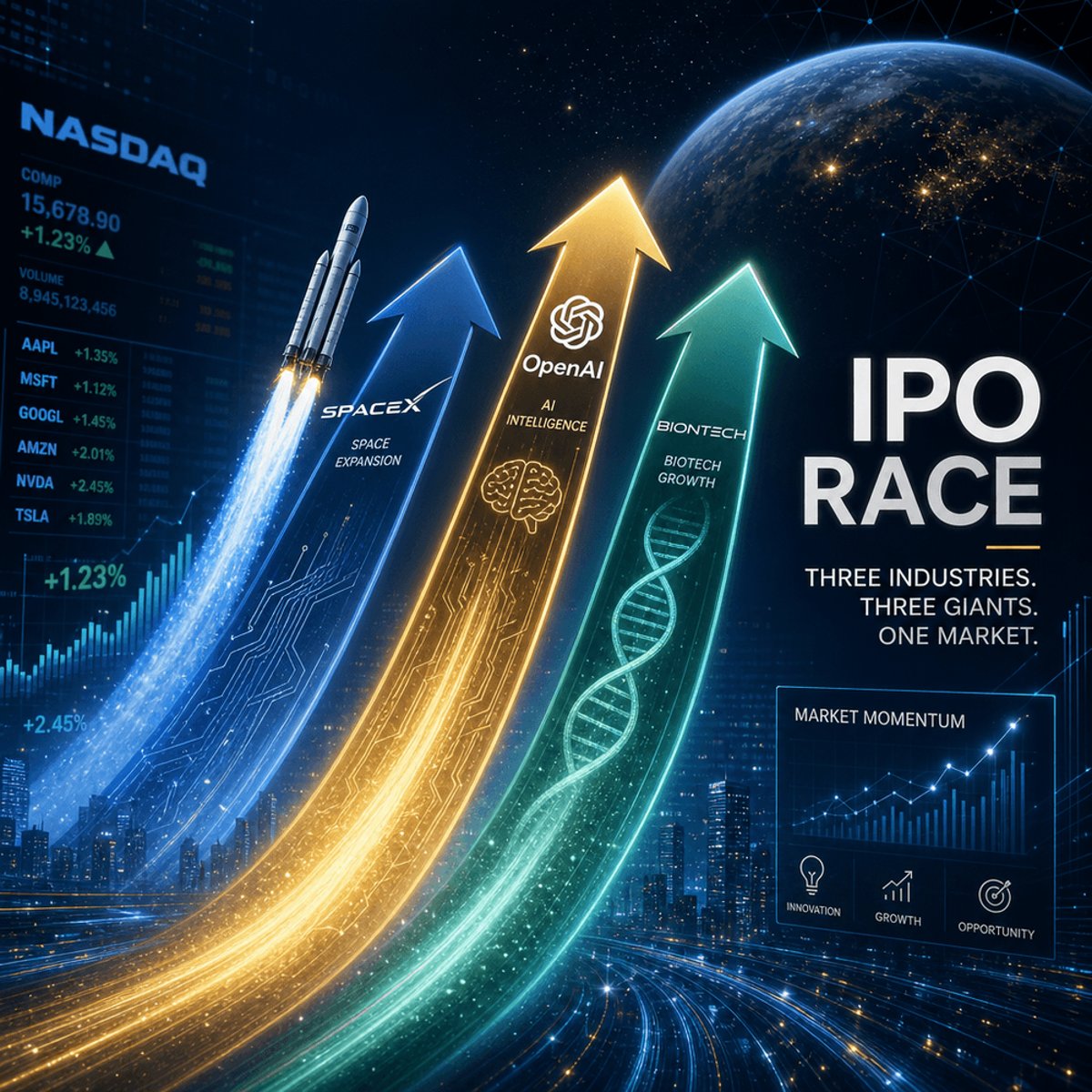
SpaceX, Anthropic, and OpenAI are all moving toward IPOs in a compressed timeline that has investment bankers working overtime and institutional investors recalculating their allocation strategies. According to sources familiar with the filings, all three companies are targeting listing dates between late June and early August, a window so narrow it's forcing some funds to choose which rockets to board.
The timing isn't coincidental. These companies represent the vanguard of what some analysts are calling the MANGOS era - a play on the old FAANG acronym that dominated the 2010s. The new lineup: Meta or Microsoft (depending on who's making the list), Anthropic, Nvidia, Google, OpenAI, and SpaceX. Half of that cohort is about to test public markets simultaneously.
OpenAI, valued at $157 billion in its last private round, leads the pack in terms of name recognition. The ChatGPT maker has been printing revenue at a pace that surprised even its own leadership - the company's annualized revenue run rate hit $3.4 billion earlier this year, up from virtually nothing three years ago. But profitability remains elusive, with massive compute costs eating into margins and raising questions about whether the AI leader can sustain growth without burning through capital.
Anthropic, the Claude AI developer founded by former OpenAI executives, presents a different value proposition. The company's raised over $7.3 billion from investors including Google and Salesforce, but it's been more cautious about revenue projections. What Anthropic offers is a governance story - its public benefit corporation structure and constitutional AI approach appeal to institutional investors nervous about AI safety risks. Whether that translates to premium valuations remains to be seen.
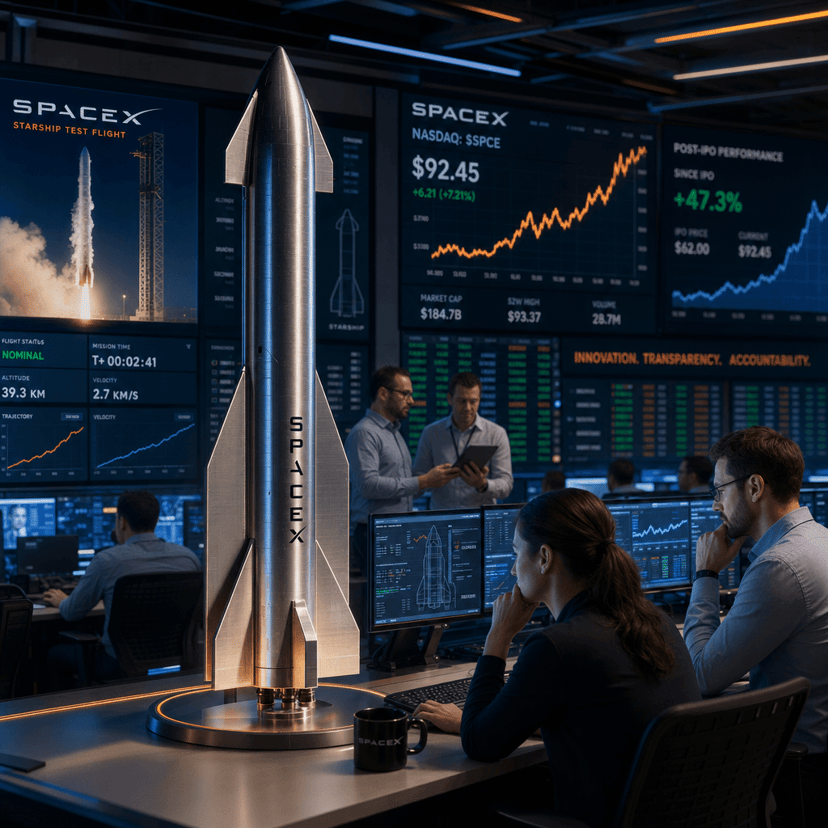
Then there's SpaceX, the outlier in this AI-heavy cohort. Elon Musk's rocket company has resisted going public for years, but sources close to the company say the Starlink satellite internet business has reached a scale that demands public market discipline. SpaceX's last private valuation hit $180 billion, making it one of the most valuable private companies in history. The company's generating steady cash flow from Starlink subscriptions and NASA contracts, giving it a revenue diversity the AI companies lack.
The compressed IPO window creates a fascinating experiment in market dynamics. Institutional investors typically allocate capital across quarters, not weeks. Forcing them to evaluate three mega-IPOs simultaneously means somebody's getting shortchanged - or the entire market needs to expand its risk appetite dramatically.
Early indicators suggest caution. Several major pension funds have already signaled they'll sit out at least one of the three offerings, according to conversations with investment advisors. The concern isn't quality - it's concentration risk. Loading up on three growth-stage tech companies in the same month violates basic portfolio diversification principles.
There's also the valuation question. Private market prices don't always translate to public debuts, especially when hype meets scrutiny. OpenAI needs to convince public investors it can build a sustainable moat while competitors like Google and Anthropic chip away at its lead. Anthropic needs to prove its safety-first approach doesn't handicap commercial velocity. And SpaceX needs to show that Starlink's growth can offset the massive capital requirements of its Mars ambitions.
The summer IPO sprint also arrives at a peculiar macroeconomic moment. Interest rates have stabilized but remain elevated, making high-growth, low-profit companies harder to justify. And the AI infrastructure boom that propelled Nvidia to a $3 trillion valuation has investors wondering if the picks-and-shovels phase is ending and the actual gold rush is about to disappoint.
But if these three companies can successfully navigate public markets, they'll reshape the investment landscape for years. The combined market cap could rival the entire current value of the traditional FAANG stocks, shifting trillions in capital allocation toward a new generation of tech giants.
What happens next depends on execution. The companies need to file their S-1 documents, survive SEC scrutiny, and convince institutional investors that the hype is justified. And they need to do it all while competing for the same pool of capital in the same compressed timeline. It's a stress test for the IPO market, for AI valuations, and for investor appetite in an era where tech dominance is shifting faster than anyone predicted.
This summer's IPO collision course represents more than just three companies going public - it's a referendum on whether AI and space tech can deliver returns that justify their stratospheric private valuations. If SpaceX, Anthropic, and OpenAI all succeed, they'll establish a new hierarchy in tech investing and validate the MANGOS framework as the next decade's dominant theme. But if any stumble, it could freeze the IPO market again and force dozens of other unicorns to reconsider their paths to liquidity. Investors have about six weeks to decide which bets to make.