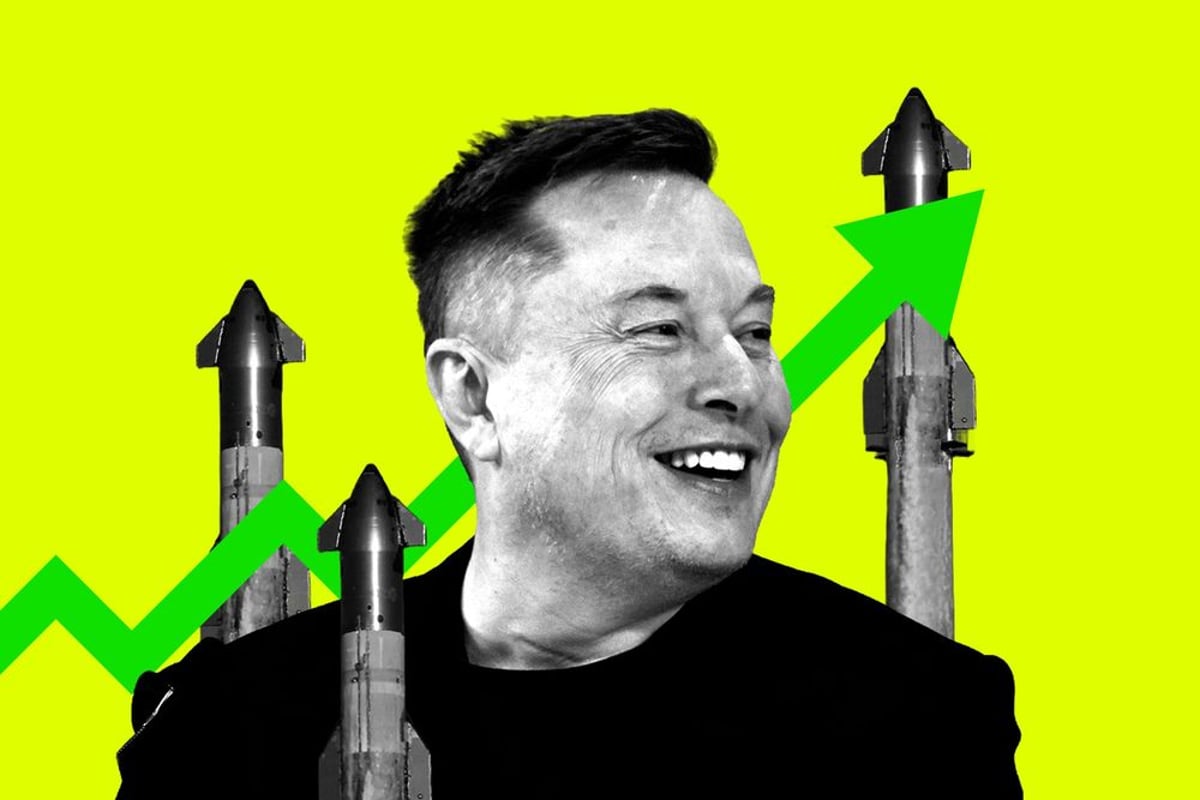
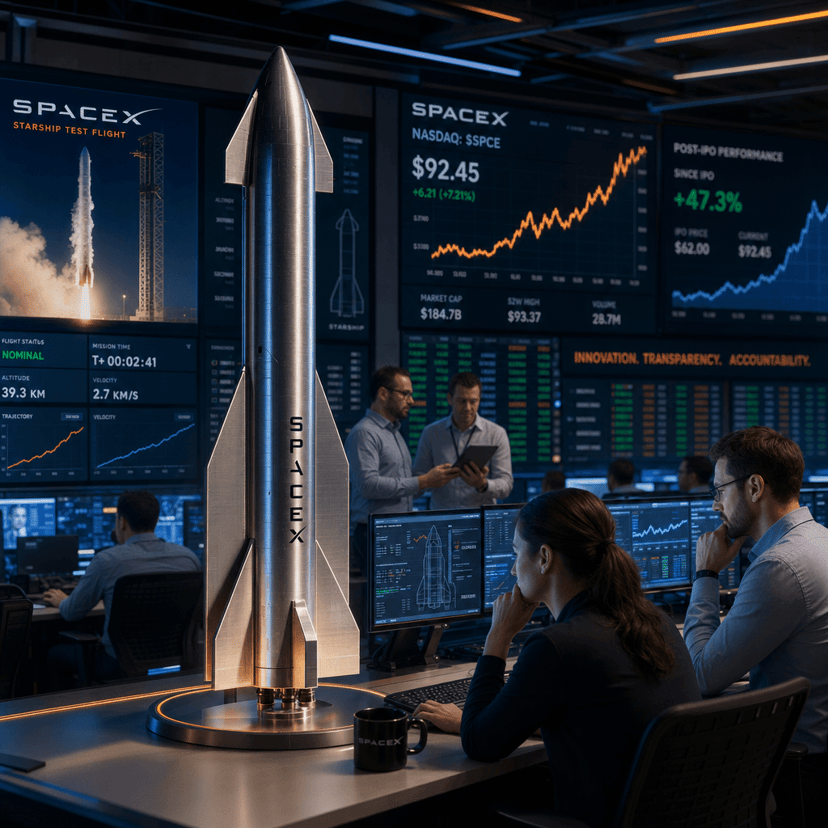
SpaceX just took the first official step toward going public. The rocket company filed confidentially for an IPO on April 1st, kicking off what could be one of the most anticipated public offerings in years. According to analysts tracking the SEC review timeline, the company's S-1 document should surface by June, setting the stage for a summer market debut that'll test investor appetite for space infrastructure at a time when Elon Musk is juggling multiple high-stakes ventures.
SpaceX just pulled the trigger on what might be the most watched IPO of 2026. The rocket company quietly filed its confidential IPO paperwork on April 1st, launching a regulatory process that typically takes months but signals serious intent to hit public markets this summer.
The timing is interesting. Based on standard SEC review cycles, the company's S-1 filing should become public sometime in June, according to reporting from The Verge. That's assuming the SEC is still staffed and functional enough to complete a thorough review, which has been a question mark given recent regulatory shake-ups in Washington.
Reuters' breakdown of the IPO process suggests we're looking at a minimum 60-day window from confidential filing to public disclosure. Add another few weeks for roadshows and price discovery, and you're staring at a July or August trading debut - right in the middle of what's historically been a quiet period for major listings.
But SpaceX isn't a typical company. The rocket maker has transformed from a scrappy startup into the dominant force in commercial space launch, capturing the majority of global satellite deployment contracts and becoming NASA's go-to partner for crew and cargo missions to the International Space Station. The company's Starship program, designed for Mars missions and rapid Earth-to-Earth transport, has been hitting development milestones that were once considered science fiction.
The IPO filing lands at a moment when Elon Musk's plate is overflowing. Tesla is in the middle of ramping production on new vehicle lines while navigating increased competition in the EV market. Musk's other ventures - from Neuralink to The Boring Company - are all demanding attention. Now add the intense scrutiny that comes with taking a company public, and you've got a CEO who's about to be stretched thinner than ever.
Wall Street has been speculating about a SpaceX IPO for years. The company has raised billions in private funding rounds, most recently at valuations north of $150 billion, making it one of the most valuable private companies on the planet. Going public would give early investors and employees liquidity while potentially funding the massive capital requirements of Musk's Mars ambitions.
But there's risk in the timing. The IPO market has been choppy, with investors becoming more selective after the 2021 SPAC bubble burst. Space companies that went public during that frenzy - think Virgin Galactic and others - have struggled to maintain momentum. SpaceX will need to convince public market investors that it's different, that its revenue-generating launch business and Starlink satellite internet service provide a foundation that speculative space ventures lack.
The confidential filing process, allowed under JOBS Act provisions for companies meeting certain criteria, gives SpaceX some breathing room. The company can work with the SEC to refine its disclosure without immediately exposing financial details to competitors and the public. When the S-1 does drop, it'll be the first comprehensive look at SpaceX's actual financials - revenue, profit margins, customer concentration, and the real economics of reusable rockets.
Industry insiders expect the filing to reveal just how dominant SpaceX has become in commercial launch. The company's Falcon 9 rocket has become the workhorse of the industry, with reusability economics that competitors still can't match. Starlink, the satellite internet constellation, has grown to serve millions of customers and could prove to be the revenue diversification story that makes the IPO compelling.
What happens next depends partly on how quickly the SEC moves. If the review drags into late summer, SpaceX might push the actual listing into fall when market conditions are typically more favorable. If everything moves smoothly, we could see Musk ringing the opening bell before the summer ends.
For investors, the SpaceX IPO represents a rare chance to own a piece of the infrastructure that's reshaping access to space. For Musk, it's another high-wire act - managing public market expectations while continuing to push toward Mars.
SpaceX's confidential IPO filing marks the beginning of what could be a transformative moment for both the company and the commercial space industry. If the timeline holds and the S-1 surfaces in June, investors will finally get hard numbers on a business that's been mythologized in private markets for years. The real question isn't whether SpaceX can go public - it's whether Musk can manage the transition while keeping his Mars timeline on track and juggling everything else on his impossibly full schedule. June 7th might just be another Musk meme date, but the IPO itself is very real and very close.