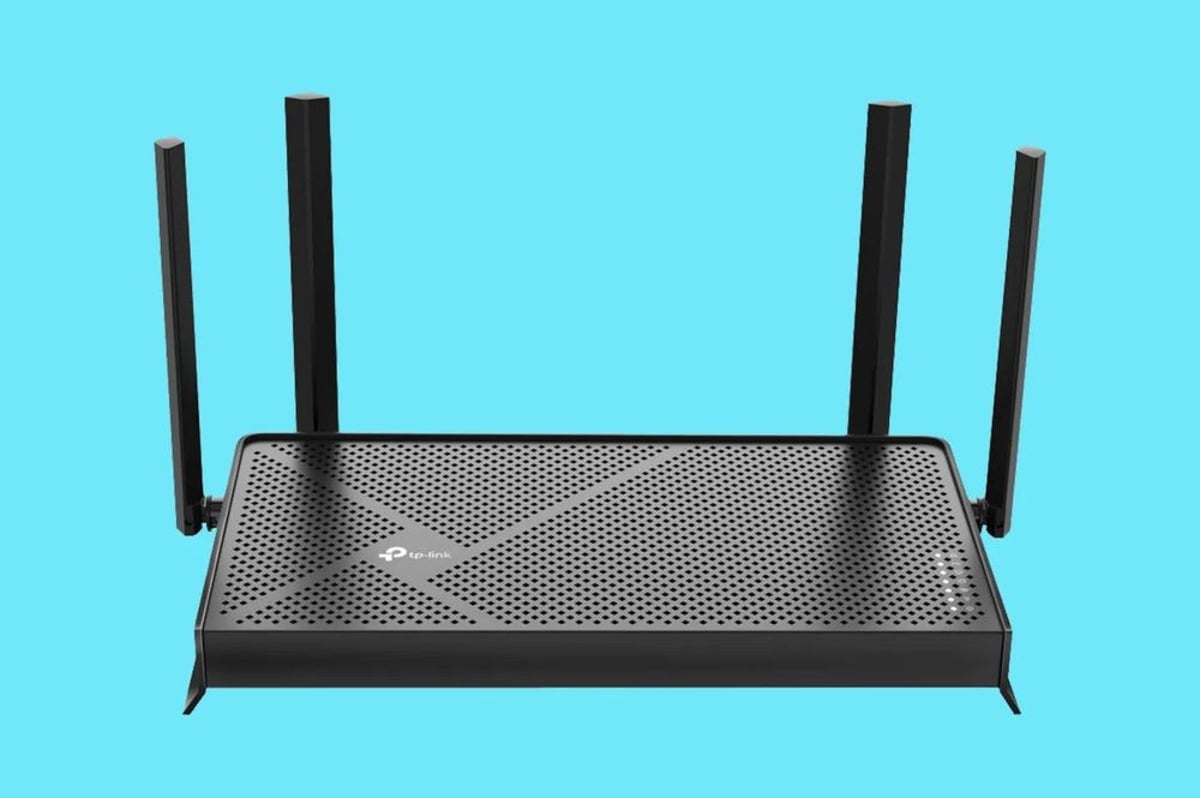
Texas just fired the opening shot in what could become a multi-state legal assault on Chinese-linked tech hardware. Attorney General Ken Paxton filed suit against TP-Link this week, alleging the router giant is deliberately misleading American consumers about its ties to China while serving as "an open window" for Chinese intelligence agencies. The lawsuit, obtained by The Verge, marks the first major state-level legal challenge to a company that controls nearly 65% of the U.S. home router market, according to industry estimates.
TP-Link thought it had solved its China problem by moving its global headquarters to California last year. Texas isn't buying it. Attorney General Ken Paxton dropped a bombshell lawsuit this week accusing the router maker of running an elaborate shell game to hide its Chinese origins while potentially exposing millions of American homes to foreign surveillance.
According to court documents filed in Texas, Paxton claims TP-Link is "masking its Chinese connections" despite controlling what industry analysts estimate is roughly 65% of the U.S. home and small business router market. The complaint alleges the company's networking devices function as "an open window for Chinese-sponsored threat actors and Chinese intelligence agencies" to access American networks.
The timing couldn't be worse for TP-Link. The Shenzhen-founded company has spent years trying to scrub its Chinese identity from public view. In 2018, it opened a manufacturing facility in Vietnam in what appeared to be a strategic pivot away from China-based production. Then in 2024, the company made an even bigger move, centralizing its global headquarters in the United States and forming TP-Link Systems as its American entity.
But Texas investigators argue these moves are cosmetic. The state's lawsuit suggests that despite the California mailing address and Vietnam assembly lines, TP-Link remains fundamentally a Chinese-controlled operation with all the national security implications that entails. Paxton's office told The Verge this is just the first of "several lawsuits" targeting companies with alleged undisclosed Chinese government ties.
The case puts TP-Link in the same crosshairs that took down Huawei's U.S. ambitions. Federal agencies have been circling the company for months. Back in December, reports surfaced that the Commerce, Defense, and Justice departments were investigating whether TP-Link routers pose national security risks. Those probes apparently centered on concerns that the devices could be compromised to conduct cyberattacks or surveillance on American soil.
What makes this particularly explosive is the sheer market penetration TP-Link has achieved. Walk into any Best Buy or browse Amazon's router listings and you'll find TP-Link dominating the shelves with affordable, feature-rich devices that have made the brand synonymous with home networking for budget-conscious consumers. If Texas prevails and other states follow with similar suits, it could effectively ban the company's products from a significant chunk of the U.S. market.
The lawsuit also arrives as U.S.-China tech tensions hit new highs. The Biden administration spent its final months implementing sweeping restrictions on Chinese chip exports and AI technology transfers. Now state attorneys general are taking matters into their own hands, using consumer protection laws to target companies they believe pose security risks.
TP-Link hasn't issued a public response to the Texas filing yet, but the company has consistently maintained that its products meet all U.S. security standards and that its corporate restructuring reflects genuine operational changes, not just paper shuffling. Industry observers note the company has certifications from the FCC and other U.S. regulatory bodies, though critics argue those approvals predate current understanding of supply chain security risks.
The legal strategy Paxton is deploying here is clever. Rather than waiting for federal action or trying to prove actual espionage, Texas is attacking on consumer protection grounds by arguing TP-Link misrepresented its origins and connections. That's a much easier case to make and doesn't require classified intelligence or complex technical forensics.
For consumers, this creates immediate uncertainty. Millions of American households and small businesses rely on TP-Link routers for their internet connectivity. If courts ultimately side with Texas and impose sales restrictions or mandatory disclosures, users could face decisions about whether to replace perfectly functional equipment based on geopolitical concerns rather than technical performance.
The ripple effects could extend far beyond routers too. Texas mentioned this is the first of multiple planned lawsuits, suggesting other Chinese-origin consumer tech companies are in the state's sights. Everything from smart home devices to security cameras could face similar scrutiny if this legal theory gains traction.
This lawsuit represents a fundamental shift in how states are approaching Chinese tech companies operating in the U.S. market. By weaponizing consumer protection laws instead of waiting for federal security determinations, Texas is creating a template other states could quickly adopt. For TP-Link, the immediate challenge is fighting a legal battle that could drag on for years while trying to reassure retail partners and consumers that its products are safe. The broader tech industry is watching closely because the precedent here could reshape how any foreign company with Chinese origins operates in America, regardless of where they've relocated headquarters or manufacturing. If Paxton's theory holds up in court, we're looking at a new era where corporate restructuring alone isn't enough to escape geopolitical scrutiny.