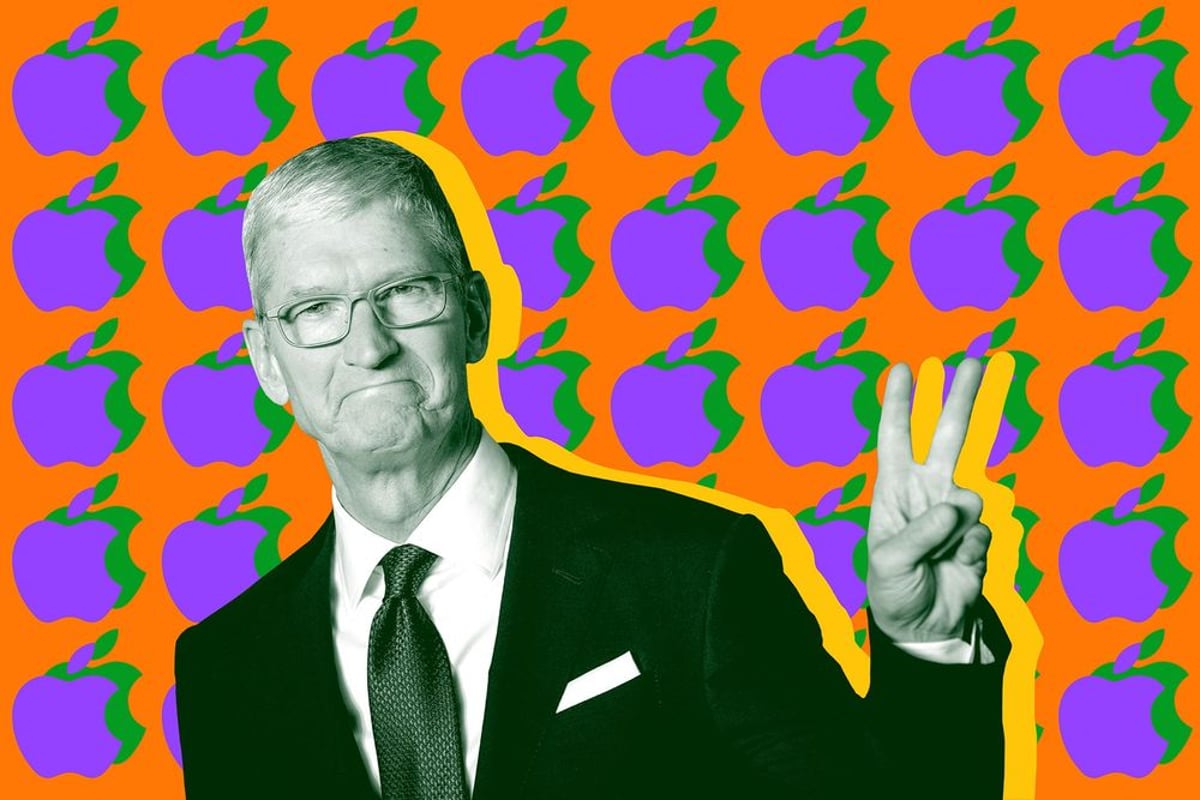
Apple CEO Tim Cook is doing damage control. After attending a VIP screening of Amazon's $40 million Melania documentary just hours after federal agents killed protester Alex Pretti in Minneapolis, Cook sent an internal memo to employees revealing he'd had "a good conversation" with President Trump about deescalation. The timing couldn't be worse - Cook's cozy relationship with the administration is now colliding head-on with a national crisis that's forcing tech CEOs to choose between political access and moral clarity.
Apple CEO Tim Cook just sent what might be the most carefully worded memo of his career. According to an internal message obtained by Bloomberg, Cook told employees he's "heartbroken by the events in Minneapolis" and revealed he'd discussed deescalation directly with President Trump. "I had a good conversation with the president this week where I shared my views, and I appreciate his openness to engaging on issues that matter to us all," Cook wrote.
The memo comes as Cook faces mounting criticism for his increasingly visible relationship with the Trump administration. Just this weekend, Cook was photographed at a White House VIP screening of Amazon's $40 million Melania documentary - an event that took place mere hours after federal agents shot and killed Alex Pretti during immigration enforcement actions in Minneapolis. Amazon CEO Andy Jassy and AMD CEO Lisa Su also attended the screening, according to reports from The Verge.
The optics are brutal. While Minneapolis erupted in protests over aggressive federal enforcement, Silicon Valley's most powerful executives were rubbing shoulders with the administration at a documentary premiere. For Cook specifically, the incident highlights how his strategic cultivation of Trump - built through donations to the inaugural fund, promises of $100 billion in US manufacturing investment, and even golden statues at Corning facilities - is now colliding with a national crisis that demands moral leadership, not corporate diplomacy.
In his memo, Cook struck a carefully balanced tone. "This is a time for deescalation," he wrote. "I believe America is strongest when we live up to our highest ideals, when we treat everyone with dignity and respect no matter who they are or where they're from, and when we embrace our shared humanity. This is something Apple has always advocated for." He closed by praising employees' empathy as "one of Apple's greatest strengths."
But the question hanging over Cupertino is whether that empathy extends to Cook's boardroom decisions. The CEO who once famously told climate change skeptics to ditch their Apple shares if they only cared about ROI now seems more concerned with keeping Apple in Trump's good graces. "If you want me to do things only for ROI reasons, you should get out of this stock," Cook declared at a 2014 shareholder meeting, defending the company's environmental and accessibility initiatives.
That version of Tim Cook feels like ancient history. As tech journalist Om Malik observed in a recent essay, "[Silicon Valley] used to believe it could change the world. Now it just hopes the world won't change its stock price."
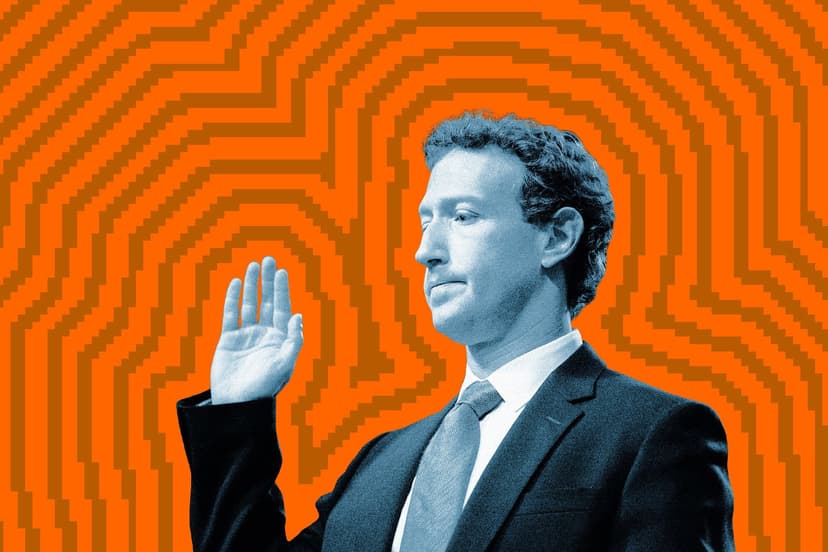
Cook isn't alone in facing this reckoning. OpenAI CEO Sam Altman issued his own statement on the Minneapolis situation, according to The New York Times, while Anthropic CEO Dario Amodei posted on X calling for deescalation. More than 60 CEOs from Minnesota's biggest companies - including Target and General Mills - have signed a joint statement demanding an "immediate de-escalation of tensions" in the state.
But those executives don't have Cook's unique problem: a well-documented history of courting Trump that now looks increasingly tone-deaf. Apple has long justified its CEO's White House access as necessary for navigating trade policy, particularly around tariffs on Chinese manufacturing that could devastate the company's supply chain. Cook has framed his Trump relationship as pragmatic corporate strategy - protecting shareholder value by maintaining open lines of communication.
That strategy is now being stress-tested in real time. Employees are watching. Customers are watching. And the contrast between Cook's 2014 defiance and his 2026 deference couldn't be starker. The memo to employees feels less like moral leadership and more like reputation management - a carefully calibrated attempt to signal concern without actually taking a stand.
What Cook didn't say in the memo is equally telling. He didn't criticize the federal enforcement actions. He didn't question the administration's tactics. He simply noted that he'd shared his "views" with Trump and appreciated the president's "openness." It's the kind of corporate-speak that offends no one and commits to nothing.
For Apple, the stakes extend beyond public relations. The company's brand has long been built on values - privacy, accessibility, environmental stewardship. Cook's memo invokes that legacy, reminding employees that treating everyone "with dignity and respect" is "something Apple has always advocated for." But advocacy without action rings hollow, especially when the CEO is photographed at White House galas while cities burn.
The broader tech industry is watching this playbook unfold with growing unease. If Cook - long seen as one of the more principled CEOs in Silicon Valley - can't navigate the tension between corporate interests and moral clarity, what hope is there for everyone else? The Minneapolis crisis isn't going away, and neither is the scrutiny on how tech leaders respond when forced to choose between access to power and standing for something.
Cook's memo reveals the impossible position facing tech CEOs in 2026: maintain access to an administration that controls regulatory and trade policy, or take public stands that could cost billions in tariffs and lost business. His carefully worded message to employees - heavy on empathy, light on specifics - suggests he's trying to thread a needle that may no longer exist. The question isn't whether Cook can balance corporate interests with moral leadership anymore. It's whether that balance was ever really possible, or just a comfortable fiction Silicon Valley told itself when the stakes were lower. Minneapolis is forcing an answer.