Timekettle just launched its W4 AI Interpreter Earbuds, bringing real-time translation to a sleeker $349 package. The earbuds combine bone conduction sensors with AI-powered language models to deliver what the company claims is 98% translation accuracy across 42 languages and 95 accents. This marks a significant step forward in making AI translation wearables more consumer-friendly than their bulkier predecessors.
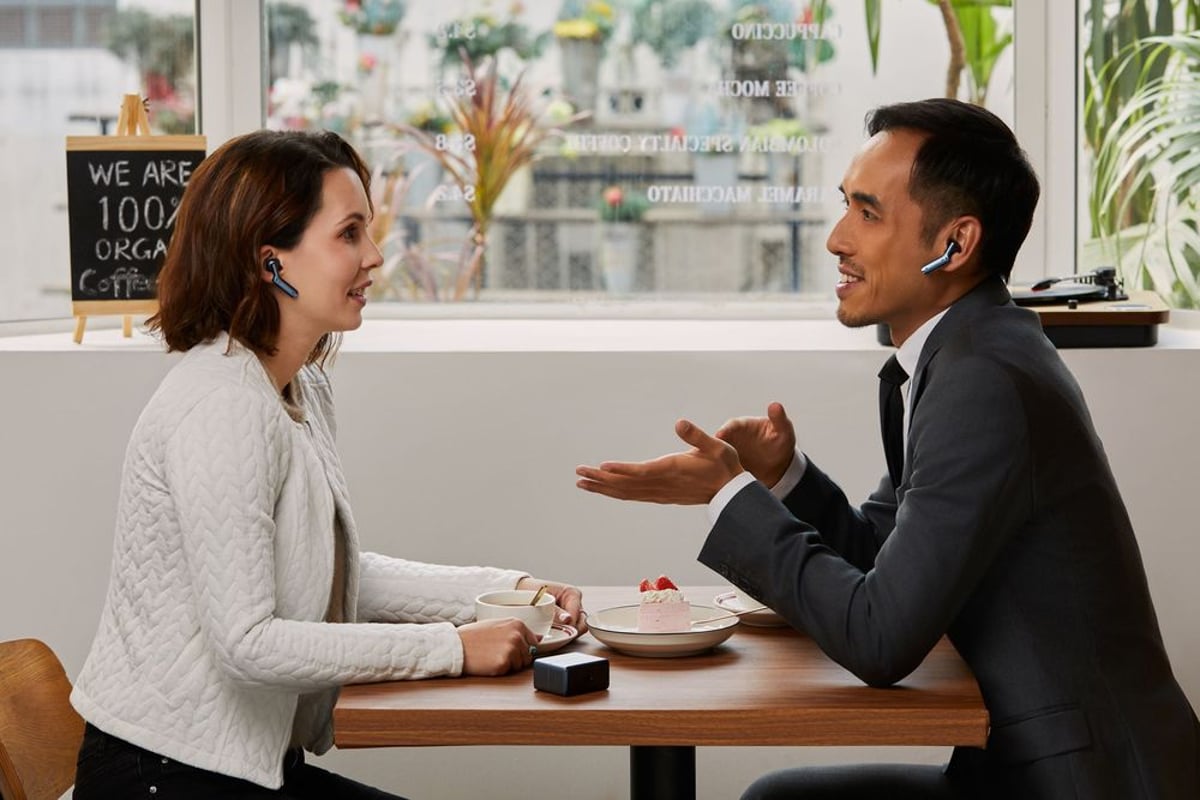
Timekettle just threw down the gauntlet in the AI wearables race, launching W4 AI Interpreter Earbuds that look more like oversized AirPods than the clunky translation devices we've seen before. At $349, they're positioning themselves as the consumer-friendly alternative to their own $449 W4 Pro that resembled those chunky Bluetooth headsets from the early 2000s.
The real innovation here isn't just the sleeker form factor—it's the bone conduction technology. While other translation devices rely solely on traditional microphones, Timekettle's W4 AI combine standard mics with sensors that detect voice vibrations through your skull bones. This dual-sensor approach promises to cut through noisy environments where traditional translation earbuds struggle, a problem anyone who's tried using voice translation in crowded airports or restaurants knows all too well.
"The system instantly converts speech between 42 languages and 95 accents with up to 98 percent accuracy," according to Timekettle's announcement. That accuracy claim puts them in direct competition with Google's Pixel Buds and Apple's real-time translation features, though those rely purely on cloud processing rather than on-device AI models.
The earbuds run Timekettle's Babel OS 2.0, powered by what the company describes as AI large language models embedded directly in the hardware. This on-device processing means users can create custom lexicons—essentially teaching the earbuds new slang terms or specialized vocabulary that might trip up standard translation algorithms. The example Timekettle gives is teaching the device about "skibidi toilets," a reference that highlights how quickly language evolves in internet culture.
What sets the W4 AI apart from competitors like Meta's Ray-Ban smart glasses or traditional translation apps is the focus on discreet, natural conversation. The bone conduction sensors allow users to speak more quietly while maintaining accuracy, addressing the awkward reality that most translation devices require you to speak louder and more clearly than feels natural in social settings.
Battery performance tells an interesting story about the technical tradeoffs. Four hours of continuous translation might seem modest compared to standard wireless earbuds, but it reflects the computational demands of running AI language models locally. When used as regular music earbuds, battery life jumps to eight hours—suggesting the translation processing is the main power drain. The split charging case design, where each earbud sits in its own compartment, extends total usage to 10 hours for translation or 18 hours for music.
The timing of this launch is particularly significant as the translation wearables market heats up. OpenAI's recent advances in real-time voice processing have raised expectations for what these devices should achieve, while companies from Samsung to startups are racing to embed AI translation into everything from smart rings to AR glasses.
Market analysts predict the real-time translation device segment could reach $15 billion by 2027, driven largely by business travelers and international students. Timekettle's bet is that consumers want translation technology that doesn't scream "I'm a tourist" or require holding up a phone—they want something that blends into natural conversation flows.
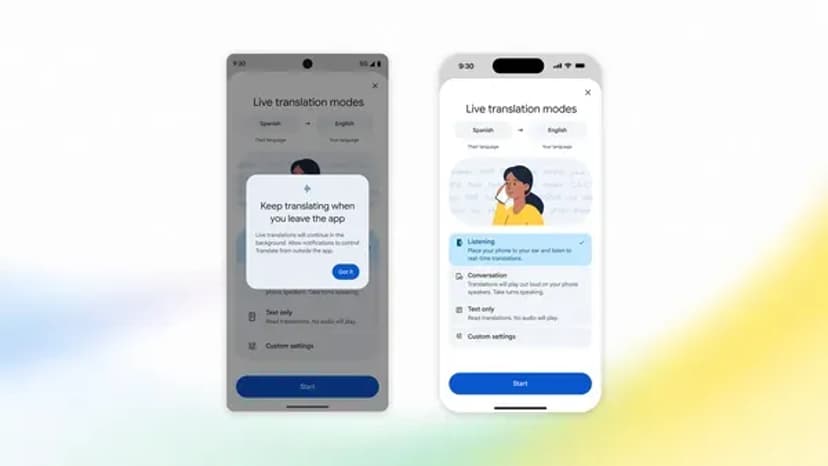
The competitive landscape is getting crowded fast. Google's Pixel Buds offer translation through Google Translate integration, while Apple's iOS 17 brought real-time translation to AirPods Pro. But these rely on phone processing and cloud connectivity, potentially creating latency issues that break conversational rhythm.
Timekettle's approach of embedding AI models directly in the earbuds could prove prescient as edge computing becomes more powerful and battery-efficient. The question is whether consumers will pay a premium for dedicated translation hardware when their phones already offer similar capabilities.
Timekettle's W4 AI Interpreter Earbuds represent a significant evolution in translation wearables, moving from niche gadgets to mainstream consumer devices. The combination of bone conduction accuracy, on-device AI processing, and AirPods-inspired design could finally make real-time translation feel natural rather than robotic. At $349, they're priced competitively against premium wireless earbuds while offering capabilities that go far beyond music playback. The real test will be whether the 98% accuracy claims hold up in real-world conversations and noisy environments where traditional translation tools typically fail.