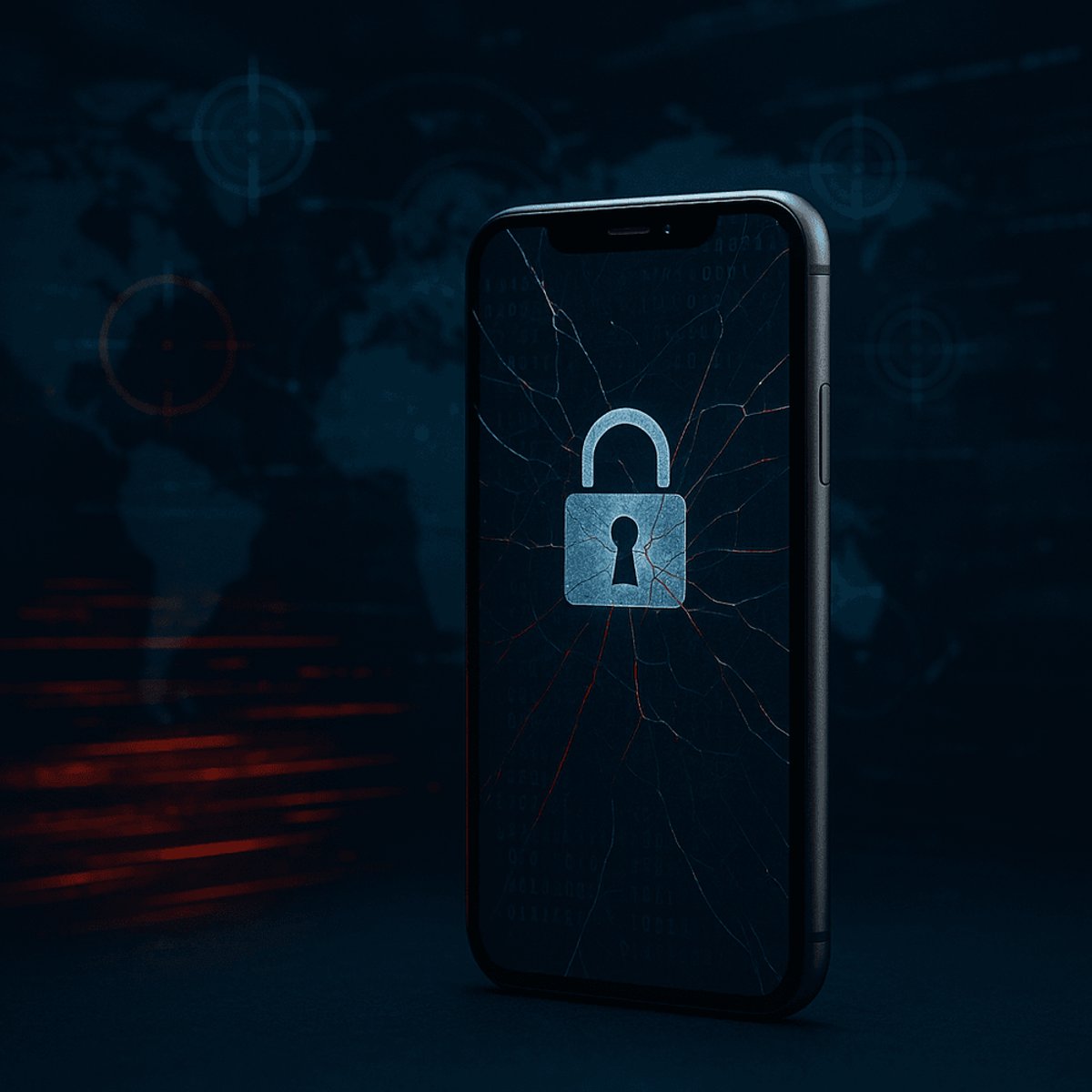
A sophisticated iPhone hacking toolkit that bears the hallmarks of US government development has escaped into the wild, infecting tens of thousands of devices worldwide. Security researchers have identified what they're calling "Coruna" - a collection of advanced iOS exploits now being wielded by foreign intelligence services and criminal organizations. The leak represents a dangerous proliferation of state-level surveillance technology, turning what was likely designed as a targeted law enforcement tool into a weapon available to America's adversaries.
The cybersecurity world is grappling with what could be one of the most significant leaks of government hacking tools since the Shadow Brokers dumped NSA exploits in 2017. A toolkit dubbed "Coruna" by researchers has surfaced in active attacks against iPhone users worldwide, and the technical sophistication points directly back to US intelligence or law enforcement origins.
The discovery came from multiple threat intelligence teams who noticed an unusual pattern of iPhone compromises starting in late February. According to analysis published by Wired, the infection count has already reached tens of thousands of devices, with victims spanning multiple continents. What makes Coruna particularly alarming isn't just its spread, but its capabilities and likely provenance.
Security researchers who've reverse-engineered portions of the toolkit describe it as a "masterclass in iOS exploitation." The attack chain leverages multiple zero-day vulnerabilities - previously unknown security flaws that even Apple hadn't detected. It can silently compromise an iPhone through methods including malicious iMessage attachments, compromised websites, and even proximity-based attacks that don't require any user interaction.
Once installed, Coruna grants attackers essentially god-mode access to the device. It can exfiltrate messages, photos, location data, and encrypted communications. It can activate the microphone and camera without triggering indicator lights. Most disturbingly, it persists across reboots and iOS updates by exploiting vulnerabilities deep in the iPhone's firmware.
The forensic evidence suggesting US government origins is compelling. The code includes encryption schemes and obfuscation techniques consistent with tools developed by American contractors who supply surveillance technology to federal agencies. Several command-and-control server addresses traced back to infrastructure previously associated with US law enforcement operations. And the exploit chain's architecture mirrors known capabilities that US agencies have purchased from firms like NSO Group and Azimuth Security.
But here's where the story gets darker. Intelligence sources speaking on background indicate that foreign actors began deploying Coruna in attacks as early as January 2026. That suggests either a catastrophic security breach at a US government contractor, an insider leak, or the possibility that the toolkit was captured from a compromised government operation overseas. Any scenario represents a massive intelligence failure.
The toolkit is now confirmed in use by at least three foreign intelligence services and two organized crime groups. Victims include journalists, human rights activists, opposition politicians, and corporate executives. In other words, precisely the targets that adversarial governments and criminals prioritize, but with capabilities that were supposed to be restricted to US law enforcement operating under judicial oversight.
Apple received initial threat intelligence about Coruna on March 1st and has been working around the clock on patches. The company hasn't issued a public statement yet, but sources familiar with the response say Apple is preparing an emergency iOS security update that will address at least some of the exploited vulnerabilities. However, given the toolkit's sophistication, security experts warn that completely neutralizing it may require fundamental changes to iOS architecture that could take months.
The Coruna leak draws uncomfortable parallels to the 2017 EternalBlue incident. That NSA-developed Windows exploit was leaked by hackers and quickly weaponized into the WannaCry ransomware that crippled hospitals, businesses, and government systems worldwide. The cyber community has been warning for years that stockpiling zero-day vulnerabilities for offensive operations creates systemic risk. When those weapons leak - and they always eventually leak - everyone becomes less secure.
Congressional oversight committees are reportedly demanding briefings on how US-origin surveillance tools ended up in adversarial hands. The leak raises profound questions about the government's vulnerability equities process - the supposedly rigorous system for deciding whether to disclose security flaws to vendors or weaponize them for intelligence collection.
For iPhone users, the immediate advice from security experts is straightforward but limited: install updates the moment Apple releases them, enable Lockdown Mode which restricts potential attack vectors, and be extremely cautious with unsolicited messages or links. But these measures only reduce risk - they can't eliminate it while the underlying vulnerabilities remain unpatched.
The broader implications extend beyond individual device security. If US government surveillance tools are leaking to adversaries, it undermines the entire justification for maintaining offensive cyber capabilities. The calculus that such tools provide a strategic advantage only works if they remain exclusive. Once proliferated, they become a liability that threatens American citizens, infrastructure, and interests.
The cybersecurity community is watching closely to see how quickly Apple can respond and whether the company will publicly attribute the vulnerabilities to government exploitation. Apple has been increasingly vocal about the risks that government backdoors and surveillance tools pose to overall security. This incident provides powerful evidence for that argument, though the company will need to balance transparency with avoiding direct confrontation with US intelligence agencies.
The Coruna leak represents a watershed moment in the debate over government surveillance capabilities and cybersecurity. What was likely built as a targeted tool for legitimate law enforcement has become a weapon in the hands of America's adversaries, putting tens of thousands of iPhone users at risk. As Apple races to patch the vulnerabilities, the incident underscores a hard truth that security researchers have been emphasizing for years: you can't build a backdoor that only the good guys can use. Every vulnerability, every exploit, every surveillance capability eventually proliferates. The question facing policymakers isn't whether these tools will leak, but whether the temporary intelligence advantages they provide justify the systemic risks they create when they inevitably do.