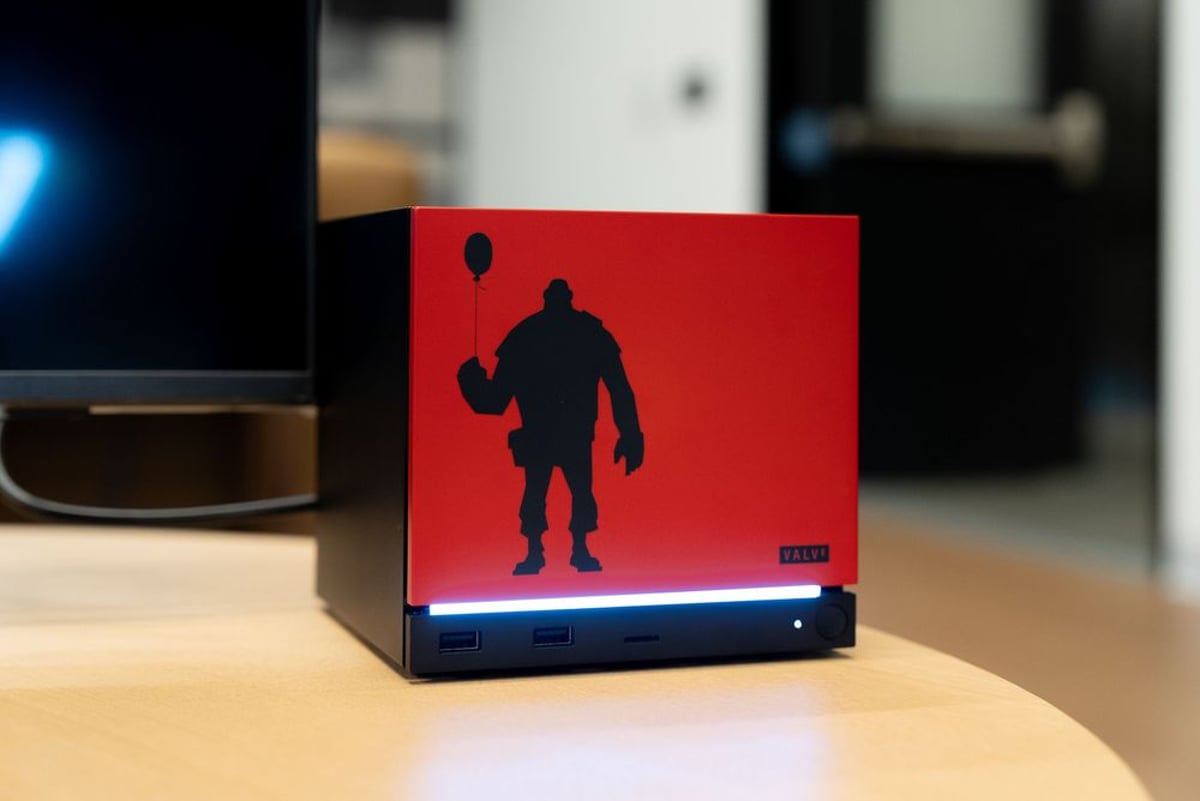
Valve's ambitious hardware push just hit a wall. The company confirmed it's delaying its Steam Machine console, Steam Frame VR headset, and Steam Controller beyond the promised Q1 2026 window, with pricing now completely up in the air. The culprit? The same memory shortage that's been crushing PC builders and smartphone makers alike. What was supposed to be Valve's big return to living room gaming has become the latest casualty of an industry-wide supply crunch that's redirecting RAM production to AI servers.
Valve just learned what every PC manufacturer already knows in 2026 - the memory market doesn't care about your launch plans. The company announced it's pushing back its highly anticipated Steam Machine console, Steam Frame VR headset, and Steam Controller beyond the Q1 2026 window it promised at launch, citing the escalating memory and storage crisis that's reshaping consumer electronics.
"We planned on being able to share specific pricing and launch dates by now," Valve wrote in a Steam community update. "But the memory and storage shortages you've likely heard about across the industry have rapidly increased since then." The company says it now has to "revisit our exact shipping schedule and pricing (especially around Steam Machine and Steam Frame)" while still targeting a first-half 2026 launch for all three products.
The announcement puts numbers to what industry watchers already suspected when Valve unveiled the hardware back in November. During those initial briefings, Valve remained conspicuously vague about pricing - a red flag for anyone tracking the memory shortage that's sent RAM costs soaring. The company told press the Steam Machine would be "positioned closer to the entry level of the PC space" and that the Frame would come in under the $999 price tag of its predecessor, the Index. For the Steam Controller, Valve promised competitive pricing with other advanced input devices.
But those targets were set in a different market. Within days of the November announcement, Valve told Tom's Hardware the console was becoming tough to price because "the market is kind of weird" and "memory prices are going up like right as we speak." That was prescient - by early 2026, PC gamers are watching RAM prices triple or even quadruple from previous norms.
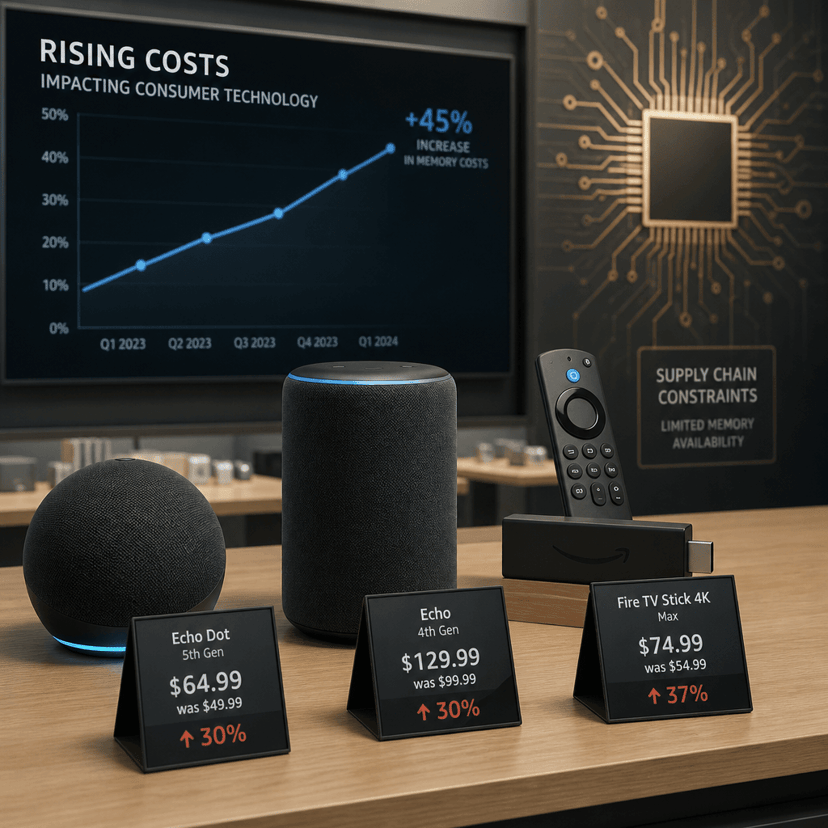
The underlying economics are brutal and simple. Memory manufacturers discovered they can make significantly more profit selling high-bandwidth memory (HBM) to AI server makers than consumer DRAM to PC and console builders. Nvidia, Microsoft, and cloud providers are gobbling up supply for AI training clusters, leaving consumer electronics scrambling for whatever capacity remains. For Valve, that means the Steam Machine's competitive positioning against traditional consoles just got a lot harder.
The timing is particularly awkward given AMD CEO Lisa Su's comments on yesterday's earnings call. "From a product standpoint, Valve is on track to begin shipping its AMD-powered Steam Machine early this year," Su told analysts, according to call transcripts. The phrase "from a product standpoint" is doing heavy lifting there - the hardware may be ready, but the economics aren't.
Valve's predicament illustrates a broader shift in the gaming hardware landscape. The company needs to hit console-competitive pricing to succeed in living rooms, but it's building what's essentially a PC with custom AMD silicon. That puts it in direct competition with AI infrastructure for the same memory chips, a fight consumer gaming was never going to win. The Steam Deck succeeded partly through strategic component choices and Valve's willingness to subsidize hardware with software revenues, but the current memory environment is testing those strategies.
Industry sources suggest the memory shortage could persist well into 2027 as fab capacity slowly reorients toward consumer demand. For Valve, that creates a difficult choice - launch at higher prices and risk losing the console audience it's targeting, or delay further and lose momentum in a crowded hardware market. The company's statement suggests it's still weighing both options, promising to share "concrete pricing and launch dates that we can confidently announce" once it better understands how quickly market conditions might shift.
The delay also impacts Valve's broader ecosystem play. The Steam Machine was positioned as the flagship for SteamOS in the living room, with the Frame and Controller creating a cohesive platform for both traditional and VR gaming. Pushing the launch timeline compresses Valve's window to build developer support and consumer awareness before competitors - including a potential Nintendo Switch successor - dominate holiday shopping conversations.
Valve's delay is less about engineering challenges and more about economic realities reshaping tech hardware. The memory shortage isn't going away as long as AI infrastructure continues commanding premium prices for the same chips that power gaming consoles. For consumers waiting on the Steam Machine, this means uncertainty on both timing and pricing at a moment when the gaming hardware market is more competitive than ever. Valve's next move - whether to absorb costs, redesign around cheaper components, or simply wait out the shortage - will signal how serious the company really is about challenging traditional console makers in the living room.