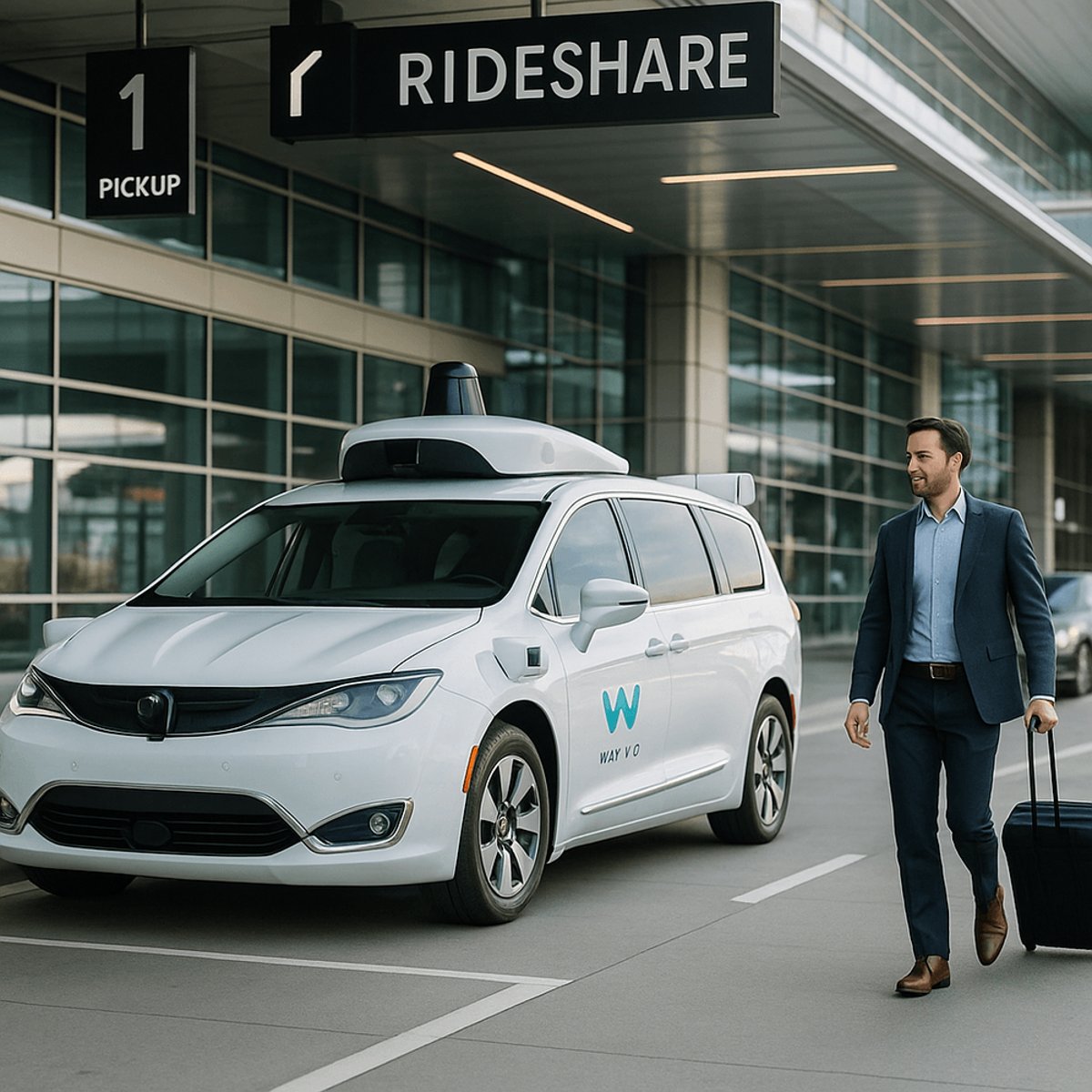
Waymo is bringing its driverless taxis to San Antonio International Airport, marking the fourth airport where travelers can hail a robotaxi. The expansion comes as Alphabet's autonomous vehicle unit pushes deeper into the airport pickup market, a high-traffic proving ground that could accelerate mainstream adoption of self-driving technology. The move signals Waymo's confidence in navigating the complex choreography of airport traffic while competing directly with traditional rideshare services on one of their most lucrative routes.
Waymo just flipped the switch on robotaxi service at San Antonio International Airport, expanding its autonomous vehicle footprint to a fourth major airport hub. The Alphabet-owned company is now operating driverless pickups and drop-offs at the Texas airport, joining its existing operations at Phoenix Sky Harbor, San Francisco International, and San Jose International airports.
The timing isn't accidental. Airport routes represent some of the most predictable and profitable trips in the rideshare economy, with travelers willing to pay premium fares and vehicles making multiple runs per hour during peak periods. By targeting airports, Waymo is going straight for the jugular of traditional rideshare economics while demonstrating that its technology can handle the organized chaos of terminal pickups, security checkpoints, and multi-level roadways.
San Antonio marks Waymo's latest push into Texas, a state that's become increasingly critical to the company's expansion strategy. The company has been gradually building out its autonomous vehicle operations across multiple Sun Belt cities, where favorable weather conditions and business-friendly regulations create ideal conditions for robotaxi testing and deployment. Unlike San Francisco's fog-shrouded hills or the brutal winters that plague northern cities, Texas offers the kind of predictable operating environment that helps autonomous systems rack up reliable miles.
Airport operations present unique challenges that go beyond typical urban driving. Waymo's vehicles must navigate designated rideshare zones, handle the stop-and-go flow of terminal traffic, and coordinate pickups with passengers who might be juggling luggage and checking their phones. The company has spent years refining its approach to these scenarios, using its earlier airport deployments to develop standardized procedures that can be replicated across new locations.
The competitive implications are significant. Uber and Lyft generate outsized revenue from airport trips, with passengers often paying surge pricing during peak travel times. Waymo's entry into these markets creates downward pressure on pricing while offering travelers an alternative that eliminates tipping and provides consistent service quality. For business travelers and frequent fliers, the novelty of a driverless ride could quickly become a preferred option if the service proves reliable.
Waymo's airport strategy also serves as a powerful marketing tool. Every traveler who experiences a robotaxi ride at San Antonio International becomes a potential evangelist for the technology, carrying stories of their autonomous experience back to their home cities. The airport environment naturally generates word-of-mouth buzz, with passengers posting videos and sharing reactions on social media as they process the experience of riding in a car with no human driver.
The broader autonomous vehicle industry is watching closely. While competitors like Cruise have faced setbacks and regulatory scrutiny, Waymo has steadily expanded its operations without major incidents. The company's methodical approach, building out airport by airport rather than rushing to blanket entire metropolitan areas, reflects lessons learned from earlier autonomous vehicle deployments that moved too fast and triggered public backlash.
San Antonio's selection as Waymo's fourth airport location also hints at the company's geographic priorities. The city serves as a major hub for military travel, corporate business, and tourism, generating consistent demand across different passenger segments. By establishing a presence here, Waymo gains exposure to diverse user groups while testing its technology in a market that blends urban complexity with Texas-style sprawl.
The operational logistics behind airport service require careful coordination with local authorities. Waymo must secure designated pickup zones, integrate with airport traffic management systems, and ensure its vehicles can reliably navigate the specific quirks of each terminal layout. The fact that the company has successfully replicated this model across four airports suggests it's developed a playbook that can scale to additional locations.
What happens next will depend partly on passenger adoption rates and partly on Waymo's ability to maintain its safety record while scaling operations. The company hasn't disclosed specific expansion timelines, but the steady cadence of airport launches suggests more announcements could be coming. For now, San Antonio travelers have a new option for getting to and from the airport, one that arrives without a driver behind the wheel.
Waymo's San Antonio airport launch represents another incremental step in autonomous vehicle normalization. By focusing on high-visibility, high-value airport routes, the company is building public familiarity with robotaxis while targeting the most profitable segments of the rideshare market. The real test won't be whether the technology works at one more airport, but whether Waymo can maintain its operational tempo and continue expanding without the safety incidents that have derailed competitors. For travelers landing in San Antonio, the future of transportation is now waiting at the curb, no driver required.