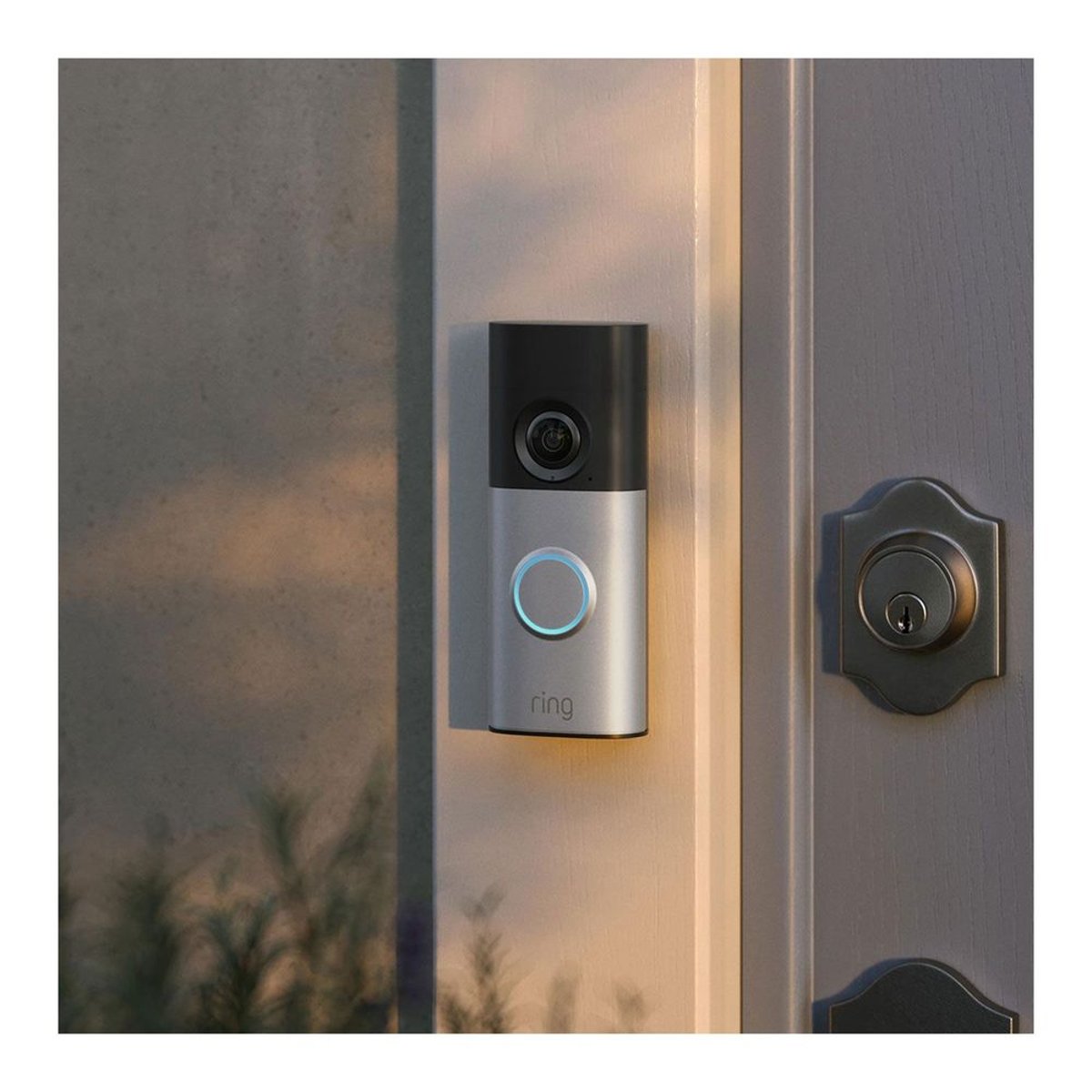
A consumer advocacy group is putting money where privacy activists' mouths are. The Fulu Foundation, co-founded by right-to-repair YouTuber Louis Rossmann, just launched a $10,000 bounty program challenging developers to yank Ring doorbell footage off Amazon's cloud and route it to local storage instead. The move comes as Amazon faces mounting backlash over Ring's controversial Search Party feature, which lets police request footage directly from users. It's a direct shot at Amazon's subscription-dependent business model and raises questions about who really controls the smart home devices sitting on millions of doorsteps.
Amazon is about to face an unexpected challenge to its smart home empire. The Fulu Foundation, a consumer advocacy nonprofit co-founded by right-to-repair activist and YouTuber Louis Rossmann, just threw down a $10,000 bounty for any developer who can successfully break Ring doorbells free from Amazon's cloud infrastructure. The goal? Let users store their doorbell footage on local PCs or servers while completely severing ties to Amazon's servers.
The timing isn't coincidental. Ring, Amazon's doorbell subsidiary, is currently weathering fierce criticism over its Search Party feature, which enables law enforcement to request video footage directly from Ring users. Privacy advocates have hammered the program as a backdoor surveillance tool, and the controversy has amplified long-simmering frustrations about Amazon's grip on user data.
"Ring users currently have to pay a subscription fee to store recordings in Amazon's cloud," the Fulu Foundation wrote in its bounty announcement. While Ring does offer a local storage option called Ring Edge, it's only available with the Ring Alarm Pro, a $250 system that still requires connection to Amazon's servers for core functionality. For millions of Ring owners, there's no escape from Amazon's cloud or its recurring subscription fees.
The bounty challenge lays out specific technical requirements. Winners must demonstrate a working integration that routes Ring doorbell video directly to user-controlled hardware, bypasses Amazon's cloud entirely, and maintains core functionality like motion detection and live viewing. The foundation is offering an initial $10,000 prize, with hints that the pot could grow if multiple developers submit viable solutions.
This isn't just about doorbells. Amazon's Ring ecosystem represents a microcosm of the broader smart home industry's cloud dependency problem. Consumers buy hardware outright but remain tethered to vendor-controlled cloud services for basic functionality. It's a business model that generates recurring revenue for companies like Amazon while leaving users vulnerable to price hikes, policy changes, and privacy concerns they can't opt out of.
The right-to-repair movement has been gaining momentum, notching legislative wins in states like New York and California. But this bounty represents a shift in tactics - instead of waiting for lawmakers, advocates are incentivizing technical solutions that put control back in users' hands. Louis Rossmann has built a substantial following by tearing down manufacturer restrictions on device repairs and modifications, and the Fulu Foundation extends that philosophy to software and cloud services.
For Amazon, the stakes extend beyond Ring. The company's entire IoT strategy relies on keeping devices connected to its cloud infrastructure, which feeds data into its advertising business and keeps users locked into its ecosystem. A successful Ring jailbreak could inspire similar efforts targeting Alexa devices, Echo smart speakers, and other Amazon hardware. The company hasn't commented on the bounty program, but internally, this has to be raising concerns about the fragility of its smart home moat.
The bounty also arrives as regulators worldwide scrutinize data localization and user privacy. Europe's GDPR already requires companies to give users control over their data, and similar laws are advancing in U.S. states. A grassroots technical solution that enables true local storage could pressure Amazon to offer it officially rather than risk a PR nightmare or regulatory crackdown.
Competitors are watching closely too. Companies like Arlo and Wyze offer security cameras with local storage options, though they too face criticism for incomplete implementations. If Fulu's bounty succeeds, it could reset consumer expectations across the entire smart home category, forcing vendors to choose between opening up their ecosystems or explaining why they won't.
Developers interested in the bounty face non-trivial technical hurdles. Ring's firmware is proprietary, and Amazon actively works to prevent unauthorized access to its devices. Any solution will likely require reverse-engineering Ring's protocols, a legal gray area that could invite cease-and-desist letters from Amazon's legal team. The Fulu Foundation hasn't addressed these risks directly, but Rossmann's track record suggests they're prepared for a fight.
The broader question is whether consumers actually want this level of control. Ring's popularity stems partly from its simplicity - users don't need to manage servers or troubleshoot local storage. But the Search Party backlash suggests a growing segment of buyers are reconsidering that trade-off. Privacy-conscious consumers, particularly those already running home servers or NAS devices, represent a natural audience for local-first Ring alternatives.
What happens next depends on whether any developers can crack Ring's defenses and whether Amazon decides to respond legally, technically, or by offering its own local storage solution. The bounty closes when the foundation declares a winner, which could be months away - or never, if Ring's security proves impenetrable. But even if no one claims the prize, the challenge sends a clear message: the era of unquestioned cloud lock-in is facing organized resistance.
The Fulu Foundation's bounty represents more than a technical challenge - it's a test of whether consumer advocacy can outmaneuver corporate cloud lock-in through code rather than legislation. If developers successfully free Ring doorbells from Amazon's servers, it won't just disrupt one product line. It'll demonstrate a playbook for breaking vendor control across the entire IoT landscape, from smart speakers to connected thermostats. For Amazon, that's a threat worth taking seriously. For users tired of paying monthly fees to access their own doorbell footage, it's a glimpse of what post-cloud smart homes might look like.