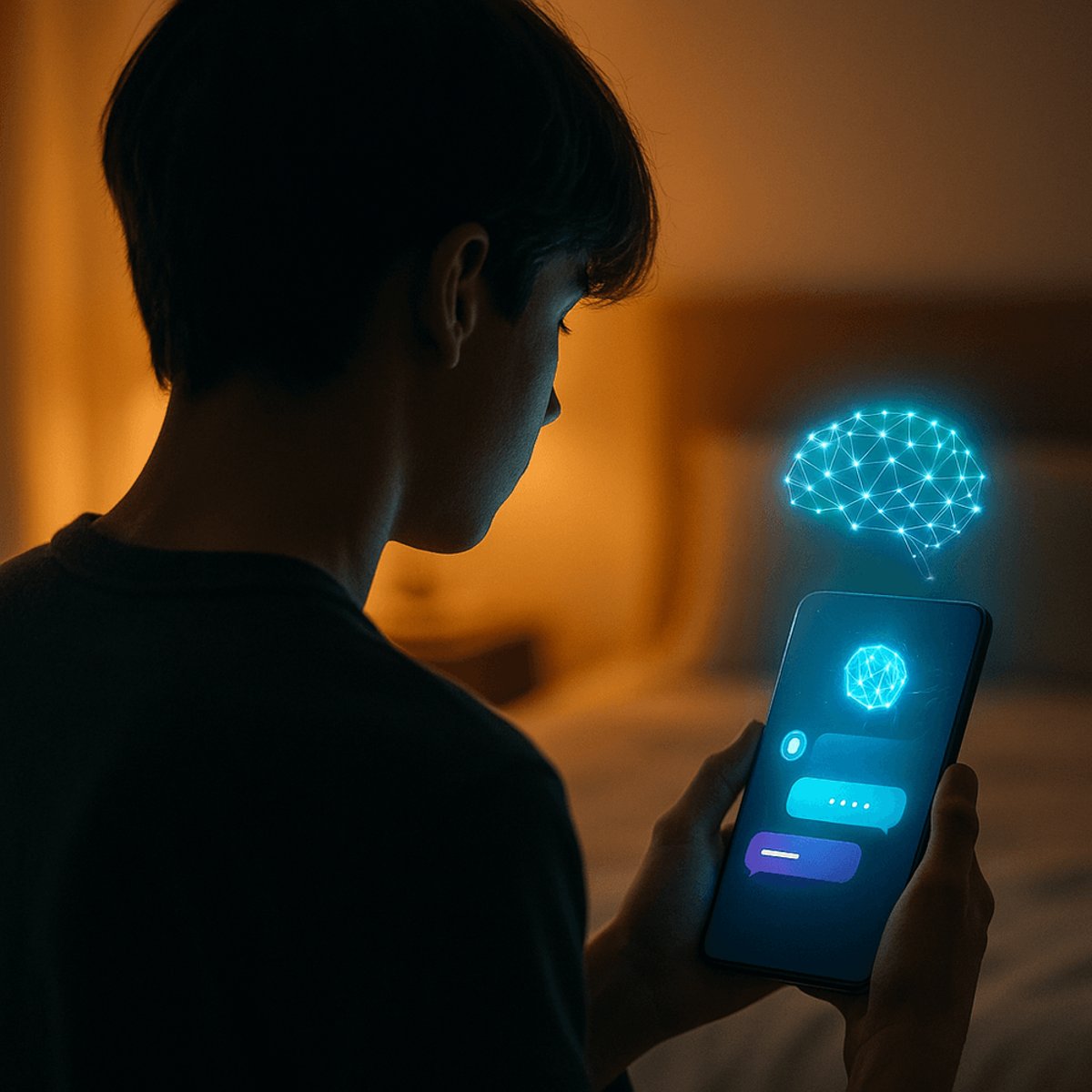
One in eight American teenagers is confiding in AI chatbots about their emotional struggles, according to new research from Pew Research Center that's raising alarm bells among mental health professionals. The study reveals that roughly 12% of U.S. teens have turned to general-purpose AI tools like ChatGPT, Claude, and Grok for emotional support or advice - despite these systems never being designed for therapeutic use.
A quiet shift is happening in how American teenagers cope with emotional struggles. New data from Pew Research Center shows that about 12% of U.S. teens have turned to AI chatbots for emotional support or advice - a development that's caught mental health professionals off guard and sparked urgent questions about AI safety for vulnerable users.
The teens aren't using specialized mental health apps. They're opening ChatGPT, Claude, and Grok - tools built by OpenAI, Anthropic, and xAI for general conversation and task completion, not therapy. None of these platforms were designed with clinical safeguards, crisis intervention protocols, or the kind of ethical framework that governs human therapists.
The findings land at a precarious intersection. Teen mental health has been in crisis mode since the pandemic, with anxiety and depression rates climbing steadily. At the same time, AI chatbots have become ubiquitously accessible - free, anonymous, available 24/7, and crucially, judgment-free in ways that talking to parents or school counselors might not feel.
But here's where it gets complicated. These AI systems, for all their conversational fluency, can't recognize when a teenager is in genuine crisis. They don't have mandated reporting requirements. They can't call for emergency help. And they're trained on internet text, not clinical psychology frameworks. What feels like empathetic conversation might actually be pattern-matching that misses critical warning signs.
Mental health professionals are watching this trend with growing concern. The worry isn't just about what AI chatbots might say - it's about what they're replacing. If teens are choosing AI over human connection, they're potentially delaying access to real clinical care. They're also engaging with systems that can hallucinate information, provide inconsistent advice, or fail to recognize serious mental health conditions.
The companies behind these tools are in a tricky position. OpenAI has added some guardrails to ChatGPT, including crisis resource recommendations when certain topics come up. Anthropic has emphasized Claude's constitutional AI training for safer responses. But none of these measures transform general-purpose chatbots into therapeutic tools.
There's also a regulatory vacuum. Unlike mental health apps that might fall under HIPAA or require clinical oversight, general AI assistants exist in a gray zone. They're not marketing themselves as therapy, so they're not held to therapeutic standards - even when teenagers are using them that way.
The 12% figure might actually understate the phenomenon. Pew's research captures teens who'll admit to using AI for emotional support. The real number could be higher, especially given the private, unsupervised nature of these interactions. And as AI becomes more sophisticated and emotionally responsive, that percentage will likely climb.
Some researchers see potential upside. In a world where access to mental health care is limited and stigma remains high, AI might serve as a first step - a way for teens to articulate feelings before seeking human help. The counterargument: it might become a substitute that keeps them from getting the professional care they actually need.
What's clear is that this isn't just a parenting issue or a healthcare question. It's a fundamental challenge for AI developers who are building increasingly human-like systems without the infrastructure to handle the ways people will actually use them. Teens seeking emotional support represents exactly the kind of high-stakes, vulnerable use case that AI safety frameworks need to address.
The companies have been relatively quiet on specifics. There's no public data on how often their systems encounter mental health-related conversations with minors, what interventions trigger, or what the outcomes look like. That opacity makes it nearly impossible for parents, educators, or policymakers to understand the scope of the issue.
As AI capabilities advance, the emotional intelligence of these systems will only improve. Future models will likely be even better at providing the appearance of empathy and understanding. That makes the stakes higher, not lower. The question isn't whether AI should talk to teenagers about their feelings - that's already happening. The question is what responsibility comes with building tools that millions of vulnerable young people are turning to in their most difficult moments.
The reality is that 12% of American teens seeking emotional support from AI represents both a mental health crisis signal and an AI safety challenge that no one fully prepared for. As these tools become more emotionally sophisticated, the line between helpful conversation and inadequate care substitute will only blur. The companies building these systems, the parents supervising their use, and the policymakers trying to regulate them are all playing catch-up to a phenomenon that's already reshaping how young people cope with emotional struggles. What happens next depends on whether the AI industry can move faster than adoption rates - and whether society can build better mental health infrastructure before AI becomes the default therapist for a generation.