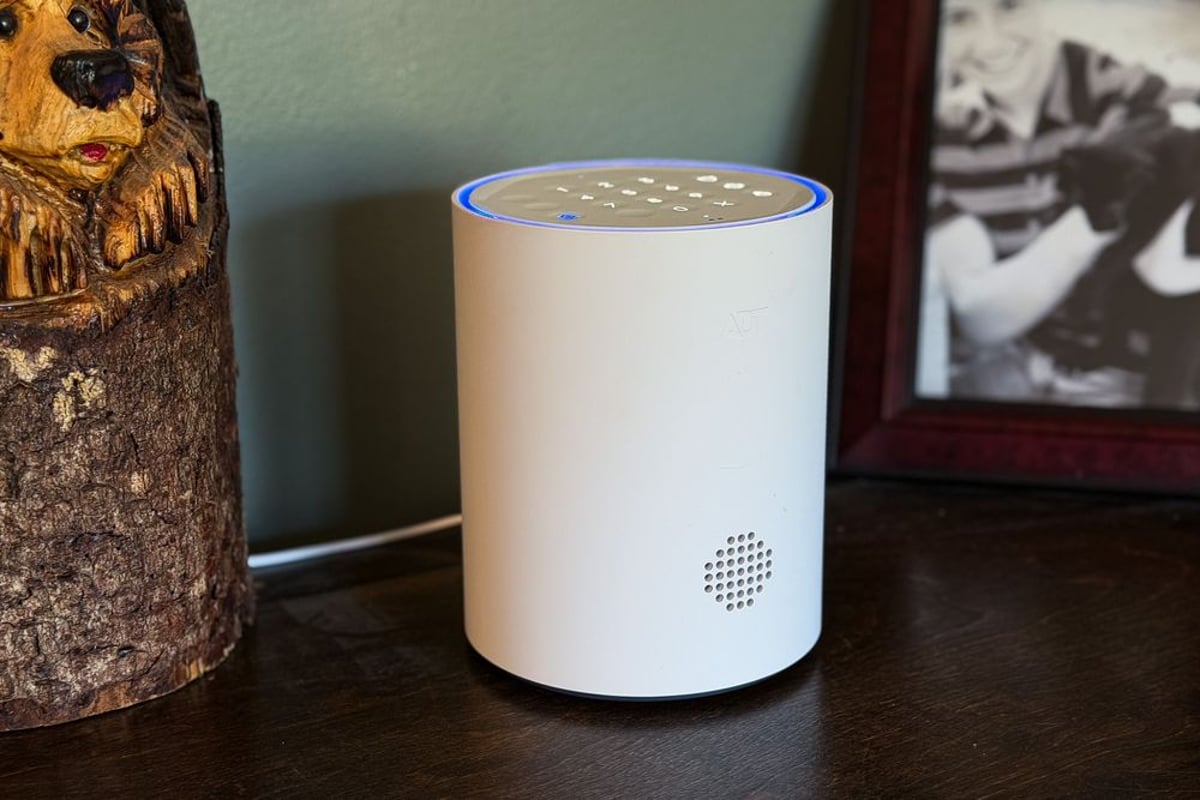
ADT just launched its most ambitious security system yet - one that recognizes your face, tracks your phone, and unlocks your door without touching a single button. The 150-year-old security giant's partnership with Google has produced ADT Plus, a system that uses Nest Doorbell facial recognition and location services to automatically disarm alarms and unlock doors. It's the kind of seamless automation that makes you wonder why every security system doesn't work this way.
ADT has been around for 150 years, but its new ADT Plus system feels like it jumped straight from the future. Walk up to your front door and it unlocks automatically. No fumbling for keys, no racing to punch in codes before the alarm screams. The system simply recognizes you're home and handles everything else.
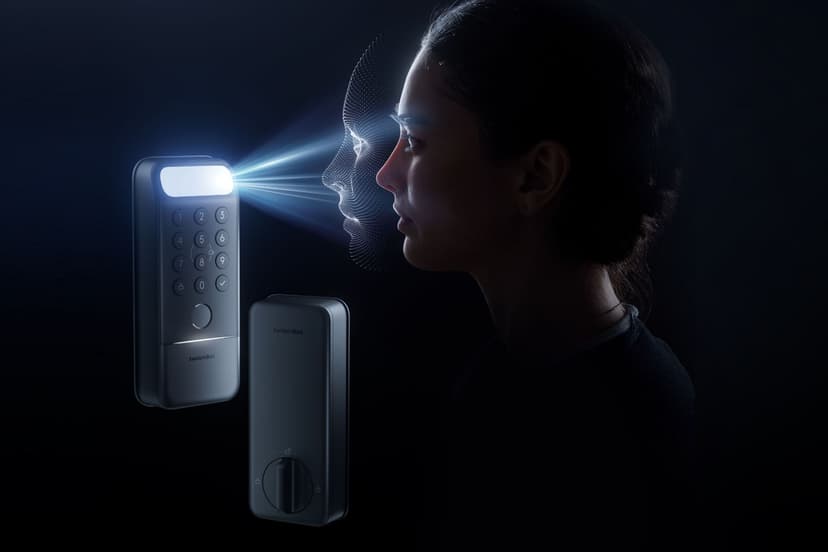
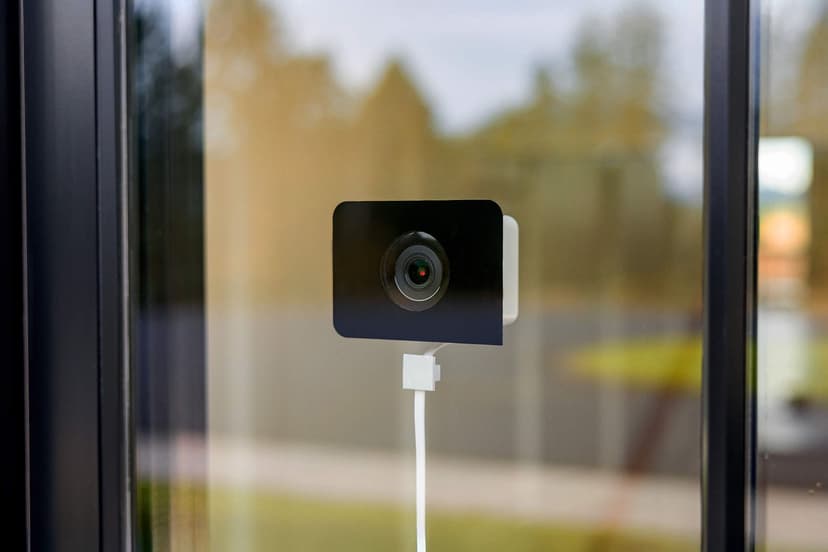
This isn't just another smart lock trick. ADT Plus uses dual-factor authentication - combining Google Nest Doorbell's Familiar Faces with your phone's location to confirm identity before disarming the entire security system and unlocking the door. It's the kind of seamless experience that makes traditional security systems feel ancient.
The system launched last summer as a complete rebuild of ADT's home security offering, developed in partnership with Google following the tech giant's $450 million investment in the security company. More importantly, it's the Google-blessed replacement for Nest Secure, the excellent DIY security system Google shut down earlier this year.
But ADT Plus goes beyond simple automation with a feature called Trusted Neighbor that turns everyday security into community watch 2.0. The system can automatically alert designated neighbors when packages arrive, pets escape, or emergencies occur. When a neighbor responds, ADT Plus uses the same facial recognition and location verification to unlock doors and disarm alarms for them too.
"We've been preparing for this shift since Q2," one security industry executive told The Verge. The admission reveals how the traditional security industry is scrambling to match the convenience expectations set by modern smart home technology.
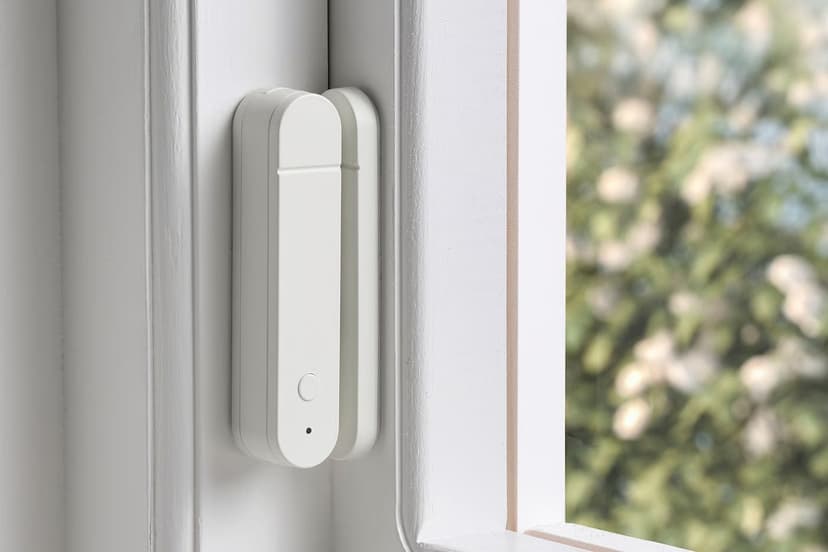
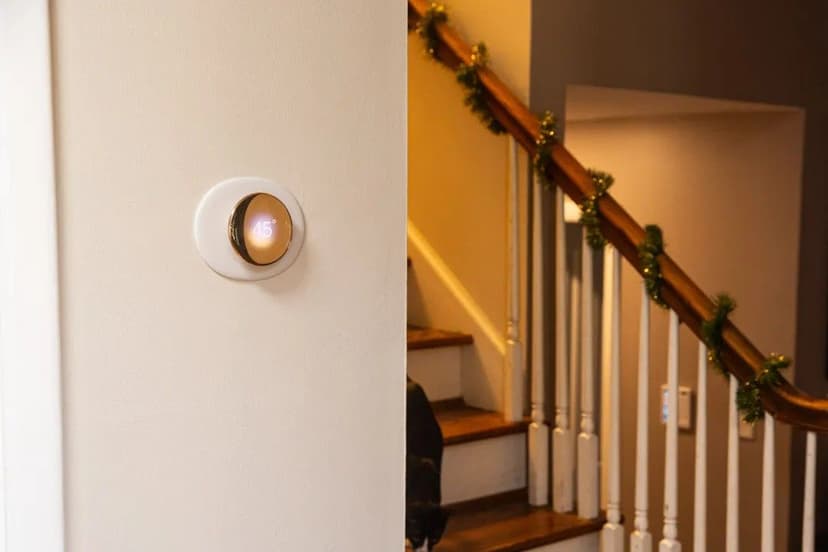
The hardware represents a significant upgrade from ADT's previous offerings. The company ditched third-party sensors and 433MHz RF protocols in favor of building its own devices using DECT ULE (Digital Enhanced Cordless Telecommunications Ultra Low Energy). This provides two-way communication that enables deeper smart home integration than most professionally monitored systems.
The central base includes Thread and Z-Wave radios along with Wi-Fi, cellular, Bluetooth, and DECT ULE connectivity. This lets you connect Z-Wave devices like lights and thermostats directly to the ADT Plus app. ADT CTO Gilles Drieu, the former director of engineering at Google Nest, says they're exploring Matter integration for even broader compatibility.
Pricing starts at $270 for a basic starter kit with one sensor, though packages with Nest cameras begin around $700. The real costs come with monitoring - you'll need at least $25 monthly for basic professional monitoring, $30 for smart automations, or $40 for the full feature set including Trusted Neighbor and recorded video.
That puts ADT Plus at the premium end compared to Ring Alarm's $35 monthly for comparable features or SimpliSafe's $32 base price. The difference is the deep Google integration - if you're already invested in Nest cameras and Google Home, ADT Plus offers seamless compatibility no other professionally monitored system can match.
The catch? This only works with Google's ecosystem. No Apple HomeKit, no Amazon Alexa integration. You're also locked into using both the ADT Plus app and Google Home app since some features only work in one or the other - a frustrating limitation for a premium system.
Professional installation requires a 36-month contract with steep early termination fees (typically 75% of remaining balance). Self-installation avoids contracts but still requires monthly monitoring fees - the system won't let you arm or disarm without paying for some level of professional monitoring.
ADT Plus represents a genuine leap forward for home security - the kind of effortless automation that actually makes you use your security system instead of ignoring it. But it comes with significant trade-offs. You're locked into Google's ecosystem, face steep monthly fees, and risk contract commitments that could cost thousands to escape. For Google Home devotees willing to pay premium prices, it delivers on the promise of truly smart security. Everyone else should probably wait for the industry to catch up with more flexible alternatives.