Amazon just threw down the gauntlet in the smart speaker wars. The company's new Echo Dot Max, unveiled at its fall hardware event Tuesday, packs nearly three times more bass than its predecessor while matching Apple's HomePod Mini at $99.99. It's Amazon's boldest play yet to move beyond budget speakers and claim premium territory.
Amazon is rewriting the Echo playbook. The retail giant's surprise Echo Dot Max launch signals a dramatic shift from its traditionally budget-focused approach to smart speakers. At $99.99, the device costs exactly what Apple charges for its HomePod Mini - and that's no accident.
The timing couldn't be more strategic. As Apple continues dominating the premium speaker market, Amazon's betting that superior bass and AI integration can steal market share. Early reactions from industry analysts suggest the gamble might pay off, especially with the three-fold bass improvement that Amazon's promising.
"These are the most powerful Echo devices we have ever created," Amazon declared during Tuesday's hardware event. The statement carries weight when you consider Amazon's installed base of over 100 million Alexa devices worldwide.
The Echo Dot Max represents Amazon's first serious attempt at premium audio engineering. The company redesigned the entire sound system, integrating speakers directly into the device housing rather than relying on external components. This architectural shift enabled the dramatic bass boost that Amazon's highlighting as the device's key selling point.
Technically, it's a significant leap forward. The new AZ3 processor handles edge-based computing that improves conversation detection by filtering background noise - a persistent complaint about earlier Echo models. Amazon also equipped the Max with dual speakers for the first time in Echo Dot history, combining a high-excursion woofer with a custom tweeter.
But here's where things get interesting: Amazon's calling this the "first-ever" Echo Dot Max, leaving industry watchers puzzled about whether this represents the sixth generation of the Echo Dot line or an entirely separate product category. The ambiguity suggests Amazon might be testing premium waters before fully committing to a high-end strategy.
The competitive context is crucial. When Amazon introduced the $40 Echo Pop in 2023, it reinforced the company's budget reputation. The Echo Dot Max flips that script entirely, positioning Amazon as a legitimate competitor to Apple's premium offerings. Consider that the standard fifth-generation Echo Dot costs just $49.99 - Amazon's essentially asking customers to pay double for the Max upgrade.
Amazon's AI integration story adds another compelling layer. The Echo Dot Max ships with access to Alexa Plus, the company's subscription-based AI upgrade that launched in early access this March. Unlike standard Alexa interactions, Alexa Plus enables back-and-forth conversations and can control multiple smart home devices with a single request. The service also "remembers" user preferences, from movie tastes to dietary restrictions.
This AI positioning matters because it differentiates the Echo Dot Max from Apple's Siri-powered HomePod Mini. While Apple focuses on audio quality and ecosystem integration, Amazon's doubling down on conversational AI and smart home control - areas where the company maintains clear advantages.
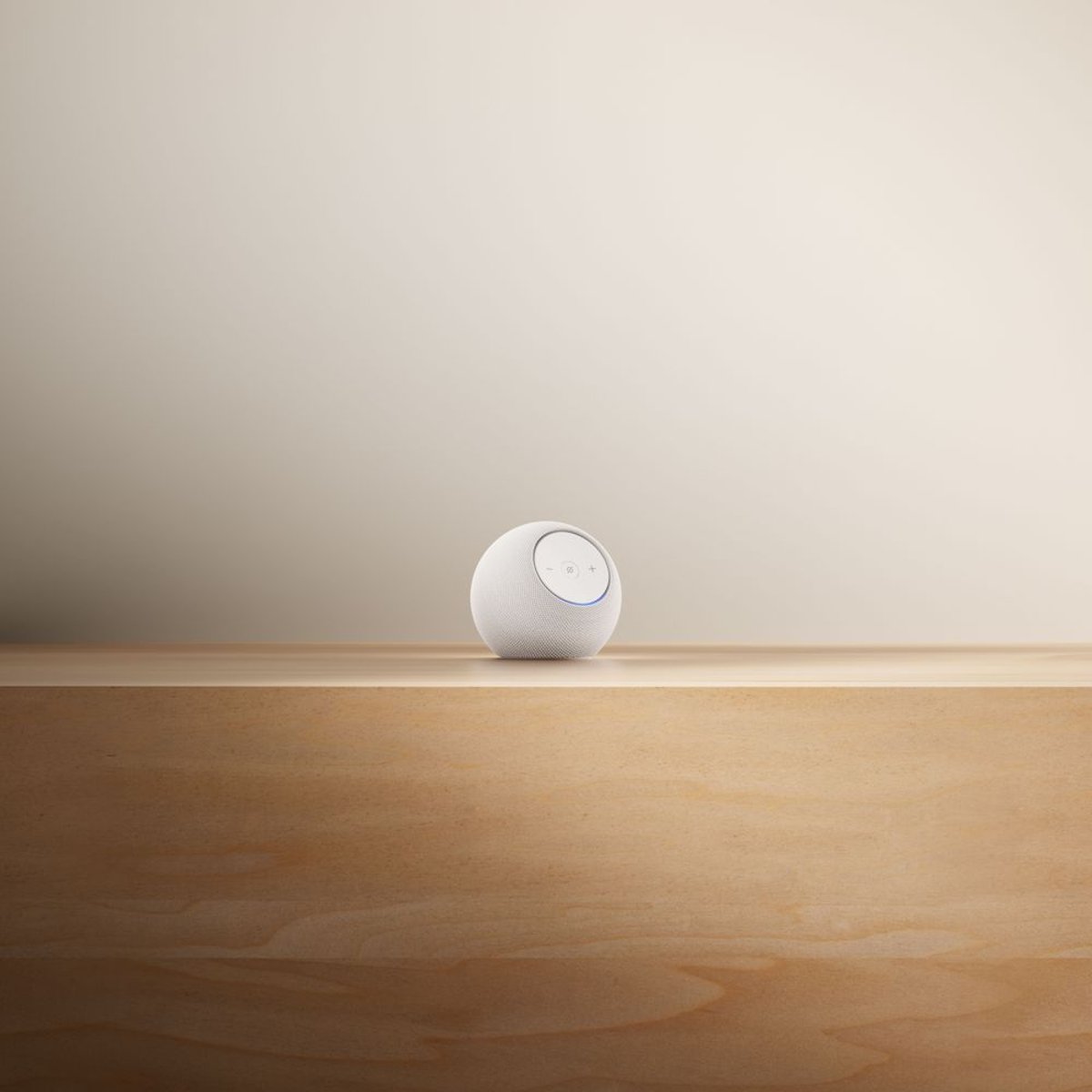
The product design tells its own story. Amazon flattened the Echo Dot's traditional spherical face, relocating control buttons and the LED light ring. It's a subtle but important signal that this isn't just another Echo Dot iteration - it's a statement piece designed to compete with Apple's sleek aesthetics.
Market timing favors Amazon's premium push. Smart speaker sales have plateaued in recent years, forcing manufacturers to focus on higher-margin devices rather than volume plays. Amazon's Echo Dot Max launch suggests the company finally recognizes this reality and is adjusting strategy accordingly.
The stakes are considerable. If the Echo Dot Max succeeds, it validates Amazon's ability to compete in premium consumer electronics beyond its traditional e-commerce strength. Failure could reinforce perceptions that Amazon belongs in the budget category, potentially limiting future hardware ambitions.
Amazon's Echo Dot Max represents more than a product launch - it's a strategic pivot toward premium hardware that directly challenges Apple's dominance. The $99.99 price point, enhanced AI capabilities, and superior audio engineering signal Amazon's intent to move beyond budget electronics. Success here could reshape how consumers view Amazon hardware, while failure might confine the company to its traditional low-cost niche. With preorders starting today and general availability October 29th, the market's verdict won't take long to materialize.