Amazon just launched its biggest Echo redesign in years, but there's a glaring problem: full-screen ads are now hijacking users' smart displays. What started as occasional product suggestions has evolved into constant "sponsored" content that interrupts family photos and can't be disabled. Users are so frustrated they're unplugging devices and demanding refunds, turning Amazon's smart home ambitions into a consumer revolt.
Amazon's Echo Show just became the poster child for how not to monetize smart home devices. The company's latest software update has transformed these once-beloved smart displays into what users are calling "rotating billboards" - and the backlash is swift and brutal.
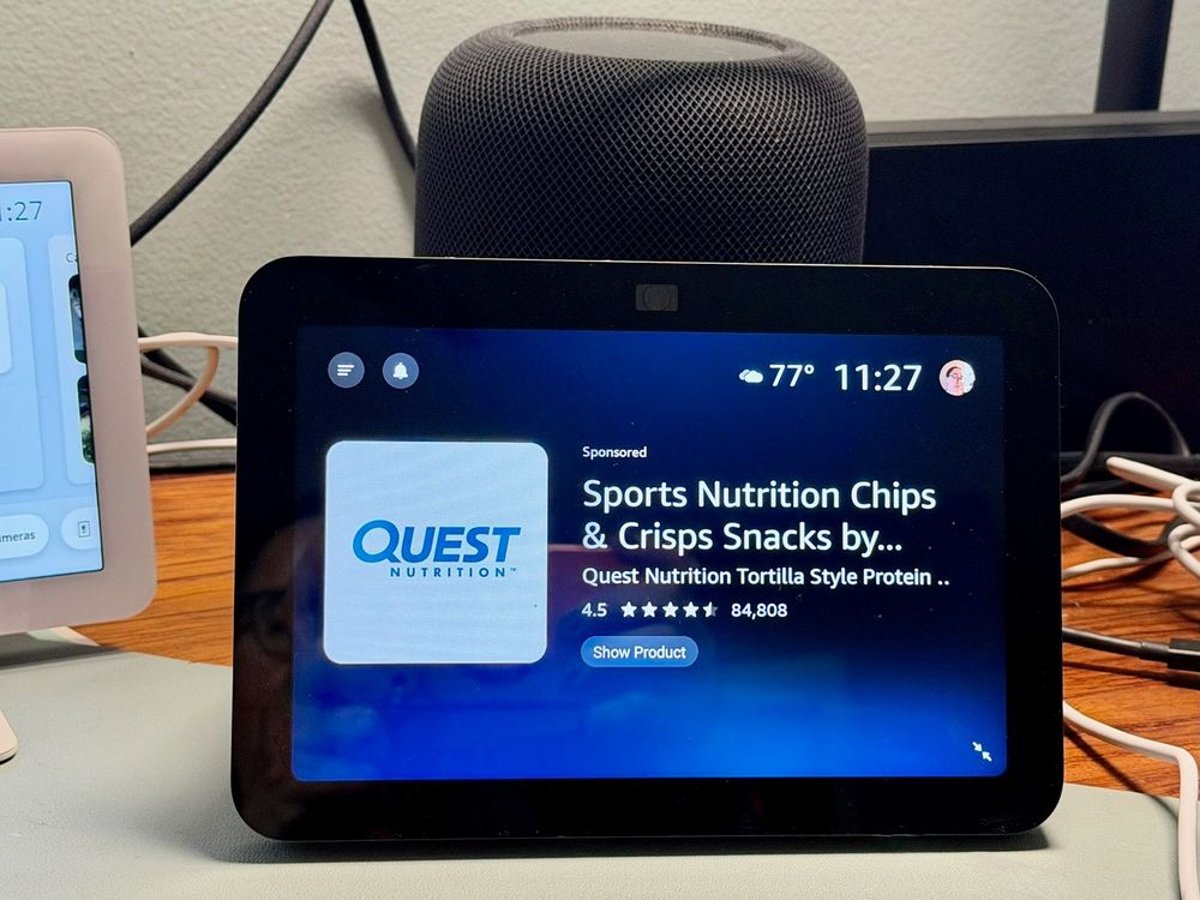
The ads aren't subtle. Full-screen "sponsored" content now interrupts everything from family photo slideshows to recipe browsing, appearing with relentless frequency that has users scrambling for workarounds. Jennifer Pattison Tuohy, writing for The Verge, captured the frustration perfectly: "As I type, the last-gen Echo Show 8 on my desk just showed an ad for an herbal supplement between a snapshot of my daughter dancing at her aunt's wedding and a baby picture of my son. The ad reappeared two photos later, and then again. And again."
This represents Amazon's most aggressive monetization push yet for Alexa devices. While the voice assistant has long suggested products through its "By the way" feature, these new visual ads mark a dramatic escalation. They appear randomly during Photo Frame mode and between content categories, with no advance warning to buyers that they were purchasing an ad-supported device.
The timing couldn't be worse for Amazon. The company just unveiled two new Echo Show models as part of a major redesign led by former Microsoft design chief Ralf Groene. Amazon Devices head Panos Panay positioned these as the first step toward building "products that customers love" - but the ad experience is achieving the opposite effect.
User revolt is already underway across Reddit's Alexa community. The subreddit exploded with complaints last month, with users sharing screenshots of intrusive ads for everything from elderberry supplements to Quest protein chips. Many report they've unplugged their devices entirely, while others claim to have successfully obtained refunds from Amazon by citing the unexpected ad experience.
When confronted about the ads at Amazon's hardware event, Panay attempted damage control with semantic gymnastics. "If it's relevant, it's not an ad, it's an add-on," he told reporters. He acknowledged that "the randomness" of current ad experiences isn't great, saying "It's about how you elegantly make sure you're elevating the information that a customer needs."
But users aren't buying the spin. The ads feel like a bait-and-switch because there was no indication on packaging that buyers were getting an ad-supported product. Unlike Amazon's Kindle lineup, which offers discounted ad-supported models, Echo Shows cost the same whether ads appear or not.
Amazon's official response doubles down on the strategy. Spokesperson Lauren Raemhild defended the ads as helping "customers discover new content and products they may be interested in." The company suggests users can "swipe to skip" or provide feedback, but multiple users report that marking ads as "irrelevant" doesn't prevent new ones from appearing.
The ad rollout appears limited for now - some users report no ads on their devices, and the experience seems concentrated on specific models. But internal documents suggest this is just the beginning. Amazon promotional materials for advertisers show full-screen ads transitioning to smaller widget formats across the entire Echo Show lineup.
This development exposes the fundamental tension in today's smart home ecosystem. Amazon offers the most capable voice assistant but can't resist turning it into a sales channel. Google occasionally remembers it has smart home products but provides little confidence in long-term support. Apple delivers the cleanest experience but at premium prices with limited compatibility.
The timing is particularly unfortunate given Amazon's broader Alexa strategy. The company is finally rolling out Alexa Plus, its long-promised AI upgrade that could deliver the ambient computing experience users have been waiting for. But instead of focusing on that value proposition, Amazon is alienating its most loyal customers with increasingly aggressive advertising.
User workarounds reveal the desperation. Some have switched their devices to Canadian English to avoid ads (they haven't rolled out in Canada yet), while others enable Kids Mode to escape the sponsored content. These hacks highlight how Amazon's monetization strategy is actively degrading the user experience it spent years building.
Amazon's Echo Show ad strategy represents a critical miscalculation at a pivotal moment for smart home adoption. Just as the company is rolling out genuinely useful AI improvements with Alexa Plus, it's simultaneously destroying user trust with intrusive advertising that feels like a betrayal of the original smart home promise. The user revolt isn't just about ads - it's about Amazon prioritizing short-term revenue over the long-term relationship with customers who believed they were buying helpful home assistants, not advertising platforms.