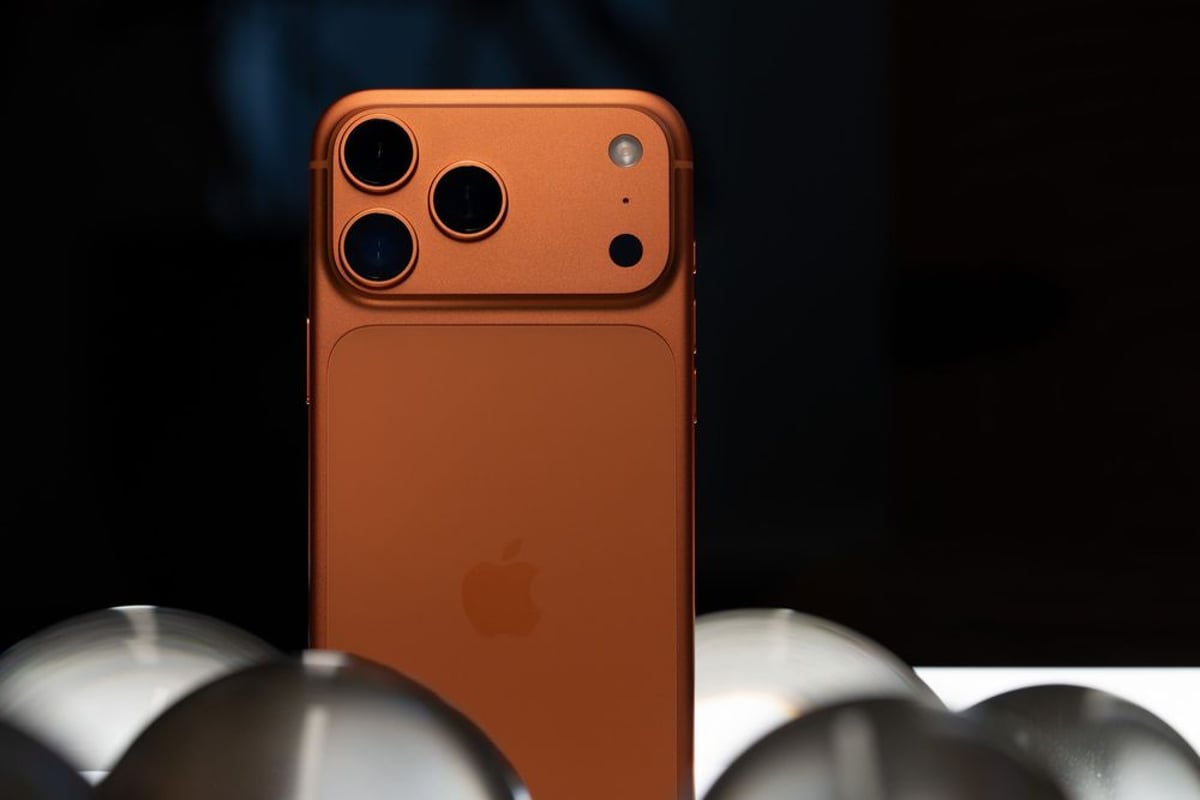
Apple has quietly stripped a popular camera feature from its latest iPhone 17 Pro models. The company removed Night mode from Portrait photography, leaving users with fewer low-light shooting options than older iPhone generations. The change affects only the Pro and Pro Max variants, creating an unusual situation where newer hardware offers less functionality than its predecessors.
Apple just did something unprecedented with its flagship phone - it took away a feature that users love. The iPhone 17 Pro and Pro Max no longer support Night mode when shooting in Portrait mode, creating an unusual downgrade scenario where older phones actually offer more functionality than the newest models.
The discovery came through Apple's own support documentation, spotted by 9to5Mac, which quietly lists the compatible models for various Night mode features. While the iPhone 17 Pro maintains Night mode support for standard photos, selfies, and time-lapse videos, it's conspicuously absent from the Portrait mode compatibility list.
What makes this particularly striking is the lineup of phones that still support the feature: iPhone 16 Pro, iPhone 15 Pro, iPhone 14 Pro, iPhone 13 Pro, and iPhone 12 Pro models all maintain Night Portrait functionality. That's five generations of Pro phones that can do something the newest can't.
Users started noticing the absence last month, with iPhone 17 Pro owners posting about it on Reddit. The Verge's Tom Warren initially thought it was a bug when he couldn't find Night mode in Portrait shooting on his iPhone 17 Pro. But Apple's documentation confirms this is intentional.
The removed feature specifically affects low-light portrait photography, where users could previously combine the artistic depth-of-field effect with enhanced night processing. Portrait mode creates that professional-looking blur behind subjects, while Night mode brightens and sharpens images taken in dim conditions. Together, they enabled stunning portraits in restaurants, bars, or outdoor evening settings.
This isn't typical behavior for Apple, which usually adds features with each iPhone generation rather than removing them. The company has built its reputation on iterative improvements, where new models consistently do more than their predecessors. Camera capabilities especially tend to expand year over year, making this regression stand out.
The technical reasoning behind the removal remains unclear. Apple hasn't provided any explanation for why the iPhone 17 Pro can't handle what previous generations managed just fine. It's possible the new camera system processes Portrait mode differently, creating conflicts with Night mode algorithms, but that's speculation without official confirmation.
For photographers who relied on Night Portrait mode, this creates a genuine workflow disruption. Professional mobile photographers and enthusiasts who upgrade expecting enhanced capabilities instead find themselves with fewer creative options. The feature was particularly valuable for social media content creators who frequently shoot in low-light environments.
The situation also raises questions about Apple's quality assurance and feature planning. How does a widely-used camera feature disappear from the company's most expensive phone without explanation? It suggests either a significant technical constraint or an oversight in the development process.
Competitive implications are minimal since most Android manufacturers don't offer equivalent Night Portrait functionality. But it does hand Samsung and other rivals a talking point about Apple removing features from premium devices.
Apple declined to provide comment about the removal or whether Night Portrait mode might return through a software update. The silence is unusual for a company that typically explains camera changes, especially when they affect core functionality that users expect.
Apple's decision to remove Night Portrait mode from the iPhone 17 Pro represents an unusual step backward for a company known for adding features, not subtracting them. Without explanation from Apple, users are left wondering whether this is a temporary technical limitation or a permanent change. The move particularly stings because it affects one of the most creative and frequently used camera combinations, leaving Pro users with fewer options than cheaper, older models. For anyone considering an iPhone 17 Pro upgrade specifically for camera improvements, this regression deserves serious consideration.