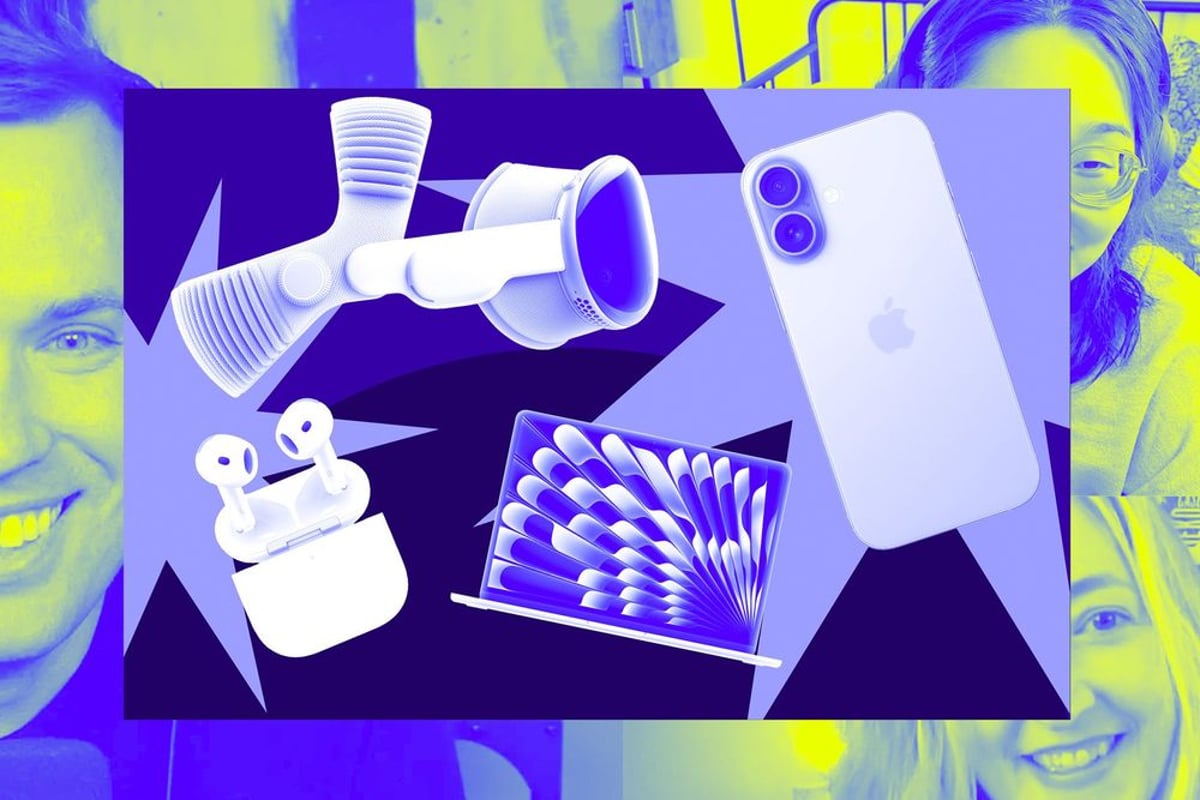
The Verge's editorial team just tackled one of tech's biggest debates: which Apple gadget reigns supreme. In a new Vergecast episode, David Pierce, Victoria Song, and Allison Johnson spent over an hour ranking nine major Apple products, from the iPhone and iPad to newer additions like Vision Pro and AirTags. The exercise reveals how Apple's product lineup has evolved and which devices truly define the company's success across different markets and use cases.
The tech world loves a good ranking debate, and The Verge just delivered one of the year's most compelling discussions. In their latest Vergecast episode, three of the publication's most seasoned reviewers attempted something ambitious: definitively ranking Apple's entire product lineup from best to worst.
The hour-plus debate between David Pierce, Victoria Song, and Allison Johnson wasn't just about specs or sales numbers. They evaluated each product through multiple lenses - inherent quality, competitive positioning, cultural relevance, and market impact. It's the kind of comprehensive analysis that reveals why Apple maintains its position as the world's most valuable company.
The nine contenders represent Apple's current focus areas: iPhone, iPad, Mac, Apple Watch, AirPods, Apple TV, HomePod, Vision Pro, and AirTags. Each product tells a different story about Apple's strategy, from the iPhone's market dominance to the Vision Pro's uncertain future in spatial computing.
What makes this exercise particularly interesting is the methodology. Rather than relying purely on revenue or unit sales, the team considered factors like competitive moats, cultural significance, and how essential each product is to Apple's ecosystem. The iPhone might dominate financially, but does that automatically make it the "best" Apple product when considering innovation and market impact?
The ranking builds on The Verge's previous Google gadgets analysis from earlier this year, which sparked significant reader engagement and debate. That episode's success likely influenced the decision to tackle Apple's more diverse and established product portfolio.
Song and Johnson bring different perspectives to the discussion. Song covers wearables and health tech extensively, giving her unique insight into products like Apple Watch and AirPods. Johnson's focus on mobile technology and photography provides crucial context for evaluating the iPhone and iPad against their Android competitors.
The timing couldn't be better for this analysis. Apple just wrapped up a busy product cycle that included new MacBook Pro models, updated AirPods, and continued Vision Pro refinements. The company's recent earnings showed mixed signals across different product categories, with services growth offsetting hardware challenges in some markets.
Pierce, as The Verge's editor-at-large, brings a decade of consumer tech coverage to the conversation. His experience spans Apple's transformation from primarily a computer company to the diversified tech giant we see today. That historical perspective proves valuable when evaluating products like Apple TV, which has evolved significantly since its original 2007 launch.
The debate format itself reflects how consumers actually think about tech purchases. Few people buy products in isolation - they consider ecosystem integration, long-term value, and how devices work together. Apple's strength has always been that holistic experience, making individual product rankings both challenging and revealing.
Reader engagement remains crucial for The Verge's podcast strategy. The publication actively solicits feedback through multiple channels, from traditional comments to their Vergecast Hotline at 866-VERGE11. This approach helps gauge whether their editorial perspectives align with audience preferences and real-world usage patterns.
The "more than an hour of arguing, debating, and occasional name-calling" that Pierce describes speaks to the genuine difficulty of these rankings. Even tech experts who review products professionally can disagree strongly about relative value and importance. Those disagreements often prove more illuminating than consensus views.
This kind of ranking exercise does more than satisfy curiosity - it forces us to think critically about what makes technology truly valuable. Whether you agree with The Verge's final rankings or not, the debate itself highlights how Apple has successfully diversified beyond any single product category. The real winner might be consumers who get to choose from such a strong overall lineup, even if some products inevitably rank higher than others.