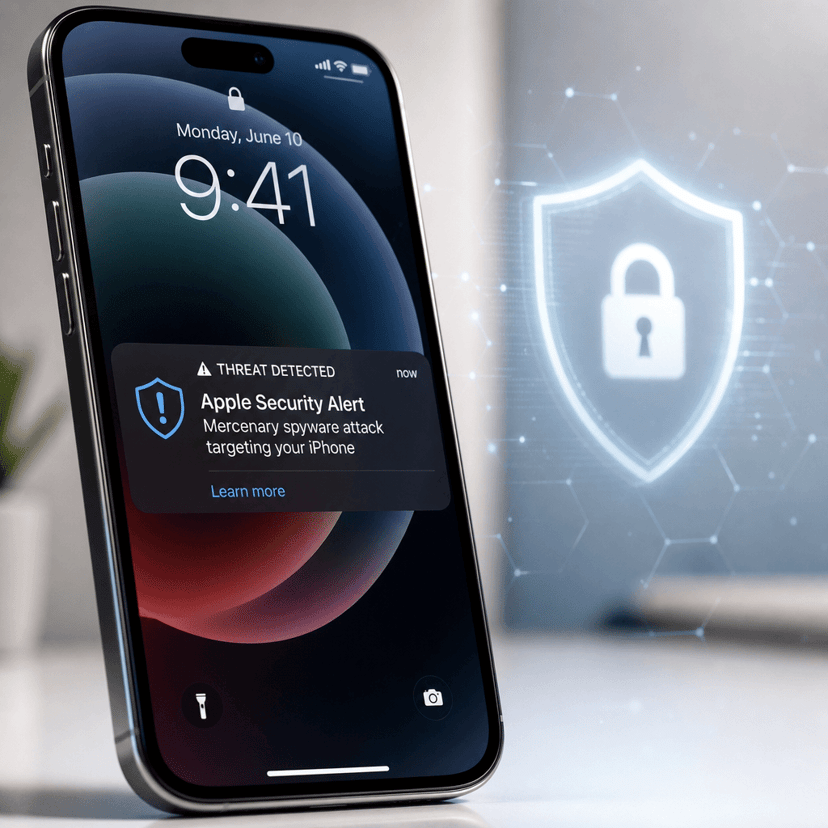
Apple just delivered a rare victory lap in the cat-and-mouse game of mobile security. The company confirmed that no users with Lockdown Mode enabled have been successfully compromised by spyware attacks since the feature launched. The timing is striking - the announcement comes as leaked hacking tools targeting older iOS versions circulate in underground markets, underscoring why Apple built this nuclear option for high-risk users in the first place.
Apple is taking a victory lap that most tech companies wouldn't dare attempt. In a rare public statement about its security posture, the iPhone maker confirmed it hasn't seen a single successful spyware attack against devices running Lockdown Mode - the ultra-hardened security feature it introduced in 2022 specifically for journalists, activists, and other high-risk users.
The declaration lands amid a messy backdrop. According to security researchers who analyzed leaked tools, threat actors are actively circulating exploits that target iPhones running older software versions. It's the perfect moment for Apple to draw a line in the sand - highlighting exactly which users are vulnerable and which are bulletproof.
Lockdown Mode isn't your typical security update. When enabled, it essentially turns your iPhone into a digital fortress by disabling entire categories of functionality. Link previews vanish. FaceTime calls from unknown numbers get blocked. JavaScript in Safari gets kneecapped. Even shared photo albums stop working. It's the nuclear option - trading convenience for the kind of protection that apparently stops commercial spyware dead in its tracks.
The feature emerged from Apple's bruising battle with NSO Group, the Israeli spyware vendor whose Pegasus tool turned iPhones into surveillance devices for governments worldwide. When researchers at Citizen Lab kept uncovering zero-click exploits - attacks that required victims to do absolutely nothing - Apple realized incremental patches weren't enough. Some users needed a fundamentally different security model.
Since Lockdown Mode's debut in iOS 16, Apple has been quietly monitoring its effectiveness. The company tracks attempted attacks through telemetry and works closely with security researchers who study commercial spyware campaigns. That surveillance network is what gives Apple confidence to make such a bold claim now. Zero successful breaches means either the feature works as designed, or attackers haven't bothered targeting it yet.
Industry experts lean toward the former explanation. The restrictions Lockdown Mode imposes directly eliminate the attack surfaces that spyware vendors have exploited for years. No link previews means no malicious image parsing. Blocked unknown callers means no FaceTime audio exploits. It's elegant in its brutality - if the feature doesn't exist, it can't be compromised.
But the leaked hacking tools tell a different story for everyone else. Users running older iOS versions remain vulnerable to known exploits that Apple has patched in recent updates. It's the eternal security paradox - patches only protect people who install them, and spyware vendors know exactly which users lag behind. The leaked tools appear designed to exploit this update gap, targeting devices that haven't jumped to the latest iOS version.
Apple's announcement serves dual purposes. It validates Lockdown Mode for the small but critical user base that needs military-grade protection. Simultaneously, it creates pressure on everyone else to update immediately. The message is clear - if you're not running the latest software or Lockdown Mode, you're playing defense with outdated equipment.
The spyware industry is watching closely. Companies like NSO Group have seen their business models disrupted by features like Lockdown Mode and Apple's lawsuit-driven pressure campaign. When a target activates protections this comprehensive, traditional exploitation methods require complete rethinking. Some vendors have reportedly shifted focus to Android devices or older iPhone models where success rates remain higher.
What makes this moment significant isn't just Apple's defensive win - it's the acknowledgment that different users face vastly different threat levels. Most iPhone owners will never be targeted by sophisticated spyware. But for journalists covering authoritarian regimes, activists organizing protests, or executives handling sensitive negotiations, the threat is real and persistent. Lockdown Mode represents Apple's acceptance that one-size-fits-all security doesn't cut it anymore.
The feature remains opt-in by design. Apple knows most users won't tolerate the functionality trade-offs. Shared albums matter more than theoretical spyware threats for the average person. But for those who need it, Lockdown Mode appears to deliver on its promise - creating a iPhone experience so locked down that even nation-state level attackers can't crack it.
As leaked exploit tools continue circulating and spyware vendors adapt their techniques, Apple's clean sheet provides a rare moment of clarity in the messy world of mobile security. The protections work when deployed, but deployment remains the user's choice and responsibility.
Apple's Lockdown Mode announcement isn't just a security milestone - it's a roadmap for how tech companies should think about threat modeling in 2026. By creating an ultra-hardened mode for high-risk users while maintaining convenience for everyone else, Apple acknowledges that security isn't one-size-fits-all. The zero-breach claim validates the approach, but it also highlights the growing divide between protected users and those running outdated software. As spyware vendors adapt and new exploits emerge, the question becomes whether Lockdown Mode's perfect record represents a sustainable defense or just a temporary advantage in an endless arms race. For now, at least, the fortress holds.