A stealth startup called Arcturus just emerged with technology that could solve one of the electrical grid's biggest problems. The company uses lasers to infuse carbon nanomaterials into copper wire, dramatically improving its conductivity and potentially cutting the grid's transmission losses by 50%. Backed by Initialized Capital, Arcturus represents a rare breakthrough in a material that's been used for electrical transmission for over a century.
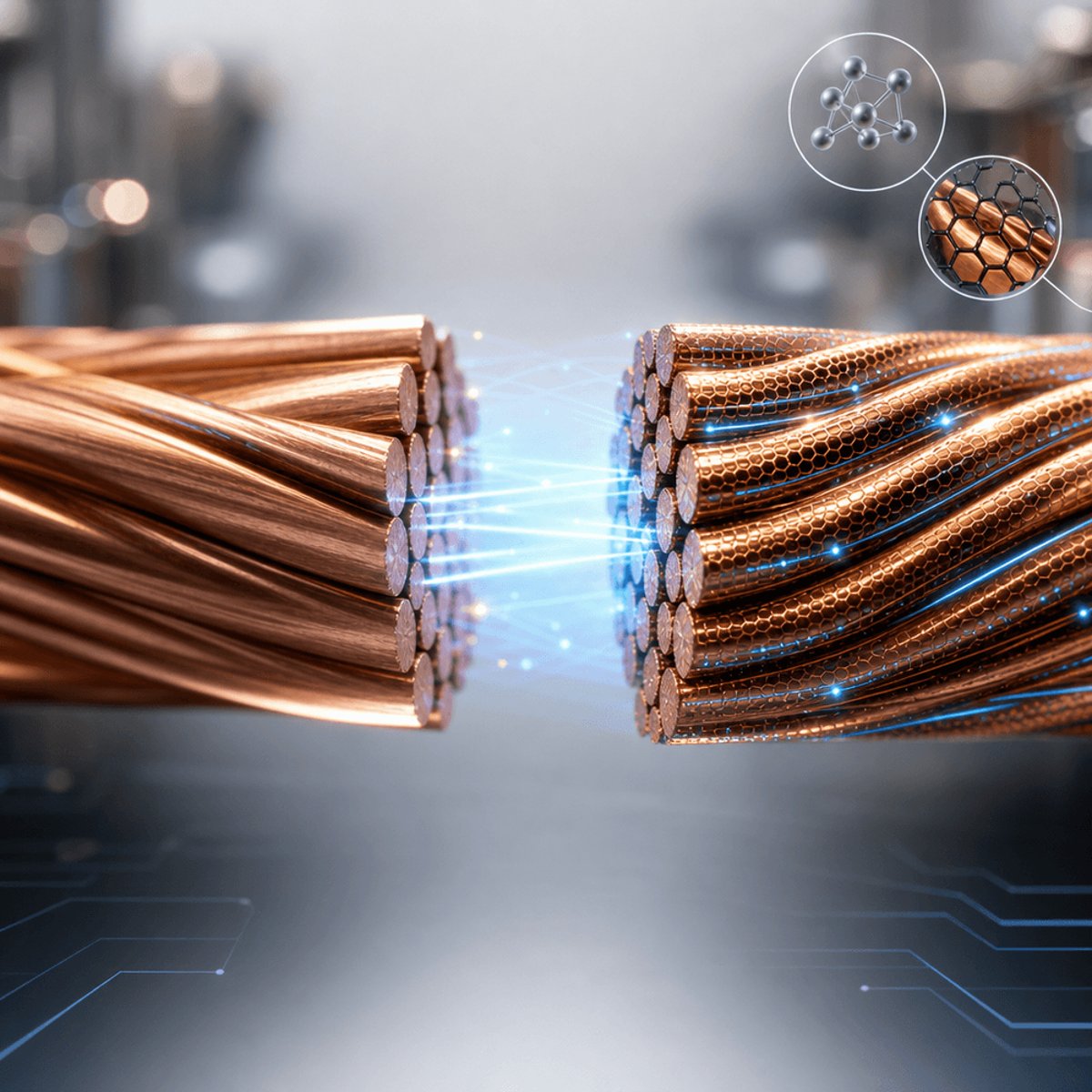
Arcturus just broke cover with a technology that sounds like science fiction but could reshape how electricity moves through the grid. The startup has figured out how to use lasers to infuse carbon nanomaterials into copper wire, creating a hybrid conductor that dramatically outperforms traditional copper.
The implications are huge. The U.S. electrical grid loses roughly 5% of generated electricity during transmission and distribution. That's billions of dollars in wasted energy every year, not to mention the environmental cost. If Arcturus can deliver on its promise to halve those losses, it would be one of the most significant infrastructure innovations in decades.
Copper has been the workhorse of electrical systems since Thomas Edison's time. It conducts electricity well, it's relatively abundant, and manufacturers know how to work with it. But it's far from perfect. Resistance in copper wires generates heat and wastes energy, especially over long distances. Engineers have tried everything from supercooled materials to alternative metals, but cost and practicality always get in the way.
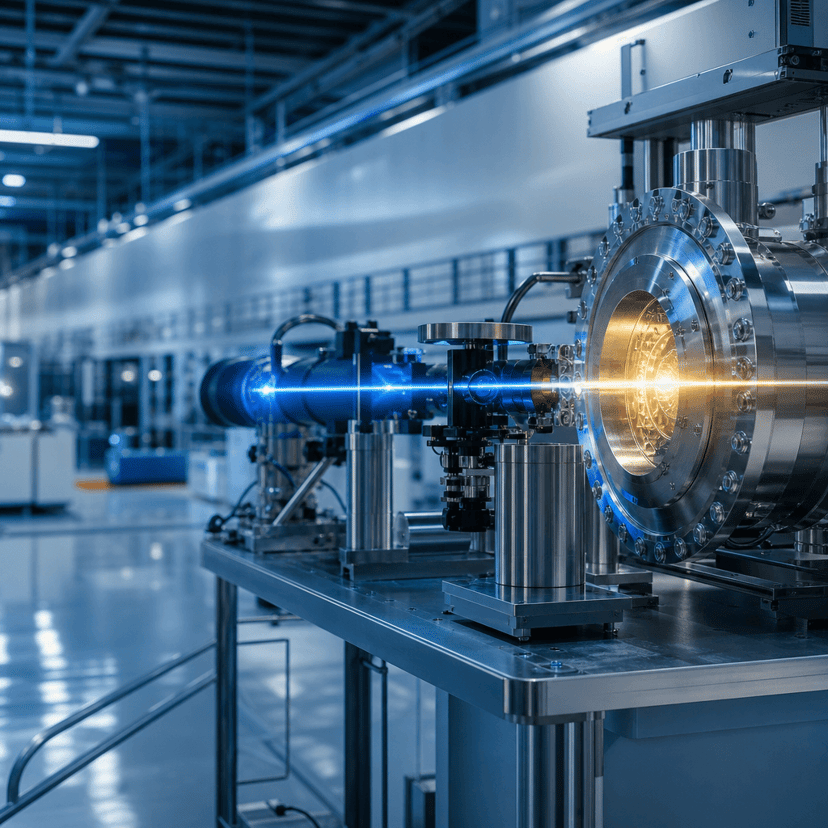
Arcturus took a different approach. Instead of replacing copper, they're enhancing it at the nanoscale. The company's laser-based process embeds carbon nanomaterials directly into the copper's structure, creating pathways that allow electrons to flow more efficiently. The result is a material that looks and behaves like copper but conducts electricity significantly better.
The timing couldn't be better for grid infrastructure innovation. Utilities are scrambling to modernize networks that were built for a different era. Solar and wind farms often sit far from population centers, meaning electricity has to travel long distances. Data centers are proliferating, each one demanding massive amounts of power. Electric vehicle charging is adding new strain. Every percentage point of efficiency gained in transmission matters.
Initialized Capital led Arcturus' funding round, though the company hasn't disclosed the amount. The venture firm, co-founded by Alexis Ohanian and Garry Tan, has a track record of backing infrastructure plays that seem esoteric until they're not. Their involvement suggests Arcturus has moved beyond lab curiosity to something that can scale.
The challenge now is manufacturing. Producing nano-infused copper at volume is a different beast than proving the concept works in a research setting. Arcturus will need to demonstrate that its laser process can run continuously, that the enhanced copper maintains its properties over time and temperature variations, and that it can hit a price point utilities will actually pay for. Copper supply chains are complex and entrenched. Breaking in requires more than just better technology.
But if the technology works as promised, the market opportunity is staggering. The global copper wire and cable market runs into the hundreds of billions of dollars annually. Even capturing a fraction of new installations and infrastructure upgrades would build a massive company. Grid operators are already testing new conductor technologies, and several utilities have programs specifically focused on reducing transmission losses.
Arcturus isn't the only company working on advanced conductors, but the laser infusion approach appears novel. Other efforts have focused on composite materials or entirely new conductor designs. The advantage of enhancing copper is that existing manufacturing infrastructure and installation practices don't need to be completely reimagined. Utilities are conservative buyers. Evolutionary improvements often win over revolutionary ones, even if the revolution promises bigger gains.
The company's stealth phase is ending at an interesting moment for climate tech. After years of hype and disappointment, investors are getting more selective. They want to see clear paths to profitability and technologies that solve real problems, not just incremental improvements. Grid efficiency checks both boxes. The problem is well-defined, the customer base exists, and the value proposition is straightforward: save money while reducing carbon emissions.
What happens next will depend on pilot programs and real-world testing. Arcturus needs to get its enhanced copper into actual grid infrastructure and prove it performs under operational conditions. That means working with utilities, passing certification processes, and demonstrating long-term reliability. It's a multi-year process, but one that Initialized Capital and other backers presumably understand.
Arcturus represents the kind of infrastructure innovation that doesn't make flashy headlines but could have outsized impact. Cutting grid transmission losses in half would save utilities billions, reduce carbon emissions, and make renewable energy more viable by improving efficiency across the entire system. The technology still needs to prove itself at scale, but the fundamentals are compelling enough to attract serious investors. If the company can navigate manufacturing challenges and utility procurement cycles, nano-infused copper could become the new standard for electrical transmission. That's the kind of quiet revolution that reshapes industries without most people noticing until it's already happened.