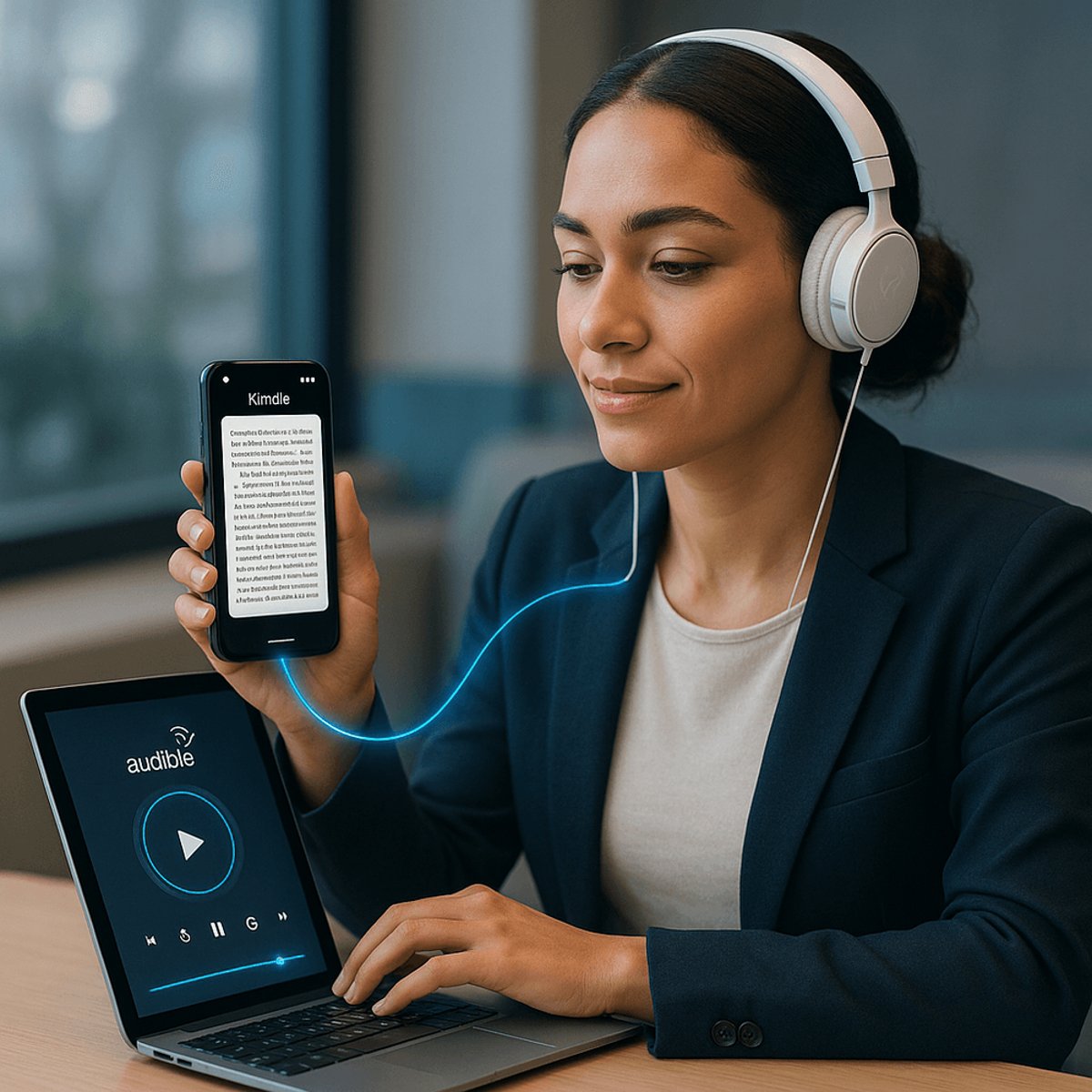
Amazon is finally bridging its Kindle and Audible ecosystems with a new feature that lets readers seamlessly switch between reading text and listening to audio versions of the same book. The company announced Read & Listen today, requiring customers to purchase both formats - but at a discounted bundle price - while syncing their progress across devices in real-time.
Amazon just made a play to lock readers deeper into its ecosystem. The retail giant's new Read & Listen feature finally solves a problem that's frustrated customers for years - the inability to smoothly transition between reading a Kindle ebook and listening to its Audible counterpart without losing your place.
The feature works exactly how you'd expect it should have years ago. Start reading a book on your Kindle during your morning commute, switch to the audiobook version when you get in the car, then pick up reading again on your iPad at lunch - all without manually hunting for where you left off. Amazon's syncing technology tracks your position across both formats in real-time, according to Sarah Perez's report in TechCrunch.
But there's a catch that's already raising eyebrows. You'll need to buy both versions of any title you want to sync, though Amazon is softening the blow with bundle discounts. The company hasn't disclosed exact pricing yet, but the move signals Amazon's recognition that readers increasingly expect multi-format flexibility - something competitors like Apple Books and Google Play Books have offered for years.
The timing isn't coincidental. Amazon's been facing mounting pressure as audiobook consumption exploded during the pandemic and never retreated. Industry data shows audiobook revenue in the U.S. hit $2.1 billion in 2025, up 18% year-over-year, while ebook sales remained relatively flat. Readers increasingly want both formats, and until now, Amazon's siloed approach meant buying each separately at full price with no meaningful integration.
Apple Books has allowed users to switch between reading and listening since 2020, with progress syncing automatically for titles that offer both formats. Google Play Books rolled out similar functionality in 2021. Amazon's delay in matching these features has been particularly glaring given that it owns both the dominant ebook platform (Kindle) and the leading audiobook service (Audible).
The bundle discount pricing represents a strategic shift for Amazon's media business. Historically, the company treated Kindle and Audible as separate revenue streams, forcing customers who wanted both formats to essentially pay twice. Publishers have long resisted bundled pricing, arguing it cannibalizes higher-margin audiobook sales, but Amazon's market dominance gives it leverage to push through new models.
For publishers, this could cut both ways. Bundling might reduce per-unit revenue but could drive higher overall sales if customers who previously chose one format now opt for both. The key question is whether Amazon's discount is shallow enough to protect publisher margins while deep enough to convince price-sensitive readers to upgrade.
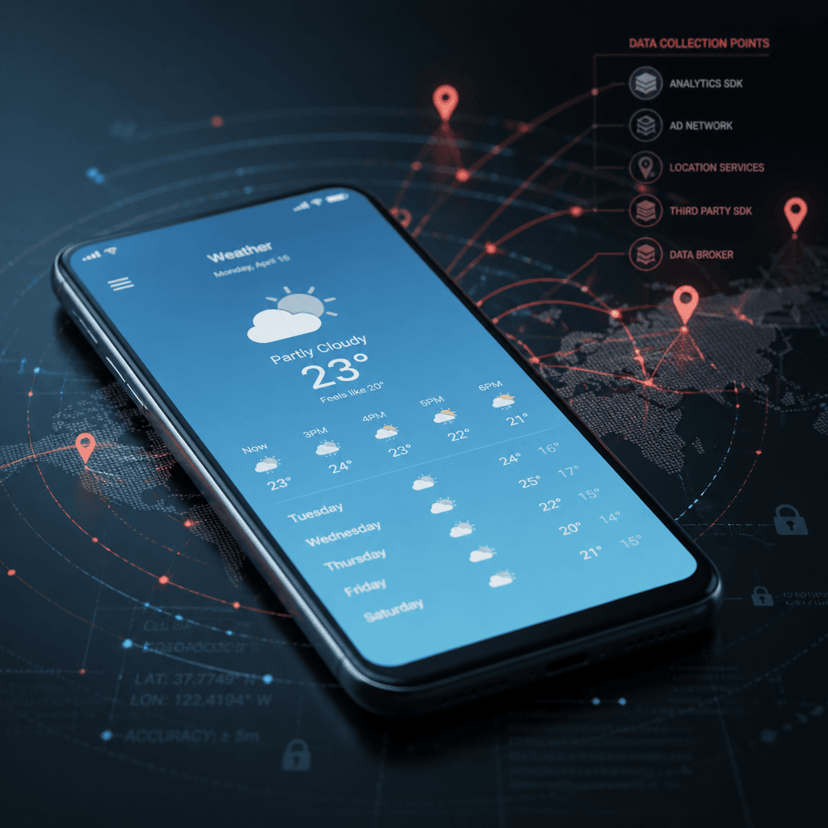
The feature also positions Amazon to gather richer data about reading habits. By tracking how users switch between text and audio, Amazon gains insights into when, where, and how people consume books - valuable intelligence for everything from recommendation algorithms to marketing strategies. Privacy advocates will likely scrutinize what data Amazon collects and how it's used.
Read & Listen arrives as Amazon faces intensifying competition in digital media. Spotify has been aggressively expanding into audiobooks, bundling them with music subscriptions. YouTube is testing audiobook features. And subscription services like Everand (formerly Scribd) already offer unlimited ebooks and audiobooks for one monthly fee.
The move also hints at Amazon's broader vision for its media ecosystem. With Kindle, Audible, Prime Video, and Amazon Music all under one roof, the company has been working to create a unified entertainment experience that keeps users locked into Amazon services across every screen and speaker they own. Read & Listen is another piece of that puzzle, making it marginally harder to switch to competing platforms.
What remains unclear is rollout timing and title availability. Amazon hasn't specified which books will support Read & Listen at launch or how quickly publishers will adopt the feature. Given that audiobook and ebook rights are often negotiated separately, getting both versions synced may prove complicated for older titles or those from smaller publishers.
The feature will likely launch within Amazon's existing Kindle and Audible apps rather than requiring new downloads. Users with both apps installed should see prompts to link their accounts and purchase bundle deals for eligible titles. Amazon's typical playbook suggests a gradual rollout, starting with bestsellers and popular genres before expanding to the broader catalog.
Amazon's Read & Listen feature is overdue but strategically smart. By finally syncing its Kindle and Audible empires, the company matches what competitors already offer while leveraging its unmatched catalog scale. The bundle pricing model could reshape how publishers think about multi-format releases, though the real test is whether discounts are deep enough to change customer behavior. For readers who've been buying both formats separately for years, this is a welcome - if belated - convenience upgrade. For Amazon's competitors, it's another reminder that the company's patient approach to building ecosystem lock-in eventually catches up.