Tesla just pulled the plug on its iconic "Autopilot" branding in California, marking a significant retreat after state regulators found the company's marketing violated consumer protection laws. The California Department of Motor Vehicles announced the corrective action this week, saying Tesla's decision avoids a 30-day sales suspension that would've shut down the EV maker's largest U.S. market. It's a rare admission from Elon Musk's company, which has defended its autonomous driving terminology for years despite mounting regulatory pressure and safety concerns.
Tesla is quietly rebranding its driver assistance features in California, ditching the "Autopilot" name that's been synonymous with the company's autonomous ambitions since 2014. The shift comes after the California Department of Motor Vehicles concluded in December that Tesla's marketing materials violated state law by misleading customers into thinking their vehicles could drive themselves.
The regulatory crackdown carries serious financial stakes. California represents Tesla's single largest state market in the U.S., accounting for an estimated 11% of the company's global vehicle deliveries. A 30-day sales suspension would've cost Tesla hundreds of millions in revenue and potentially pushed buyers toward competitors like Rivian and legacy automakers racing to capture the premium EV segment.
According to the DMV's original complaint, the issue centers on written marketing materials for Advanced Driver Assistance Systems that Tesla began publishing in May 2021. Those materials allegedly created false expectations about the autonomous capabilities of both Autopilot and the company's premium "Full Self-Driving" package, which despite its name still requires constant driver supervision.
The terminology battle isn't just semantic quibbling. Consumer safety advocates have long argued that Tesla's branding encourages dangerous overreliance on systems that remain firmly in the Level 2 autonomy category, meaning drivers must keep their hands on the wheel and eyes on the road at all times. Multiple fatal crashes involving Tesla vehicles have been linked to drivers misunderstanding the limitations of Autopilot and Full Self-Driving features.
Tesla's response has been to append "(Supervised)" to its Full Self-Driving branding, but California regulators deemed that insufficient. The state's vehicle code requires manufacturers to provide "clear and conspicuous" disclosures about autonomous features, and the DMV concluded Tesla's materials fell short of that standard.
The California action could trigger a domino effect across other states. Regulators in Texas, Florida, and New York have been watching California's aggressive stance on autonomous vehicle marketing, and several are considering similar enforcement actions. The National Highway Traffic Safety Administration has also been investigating Tesla's Autopilot system following dozens of crashes involving emergency vehicles.
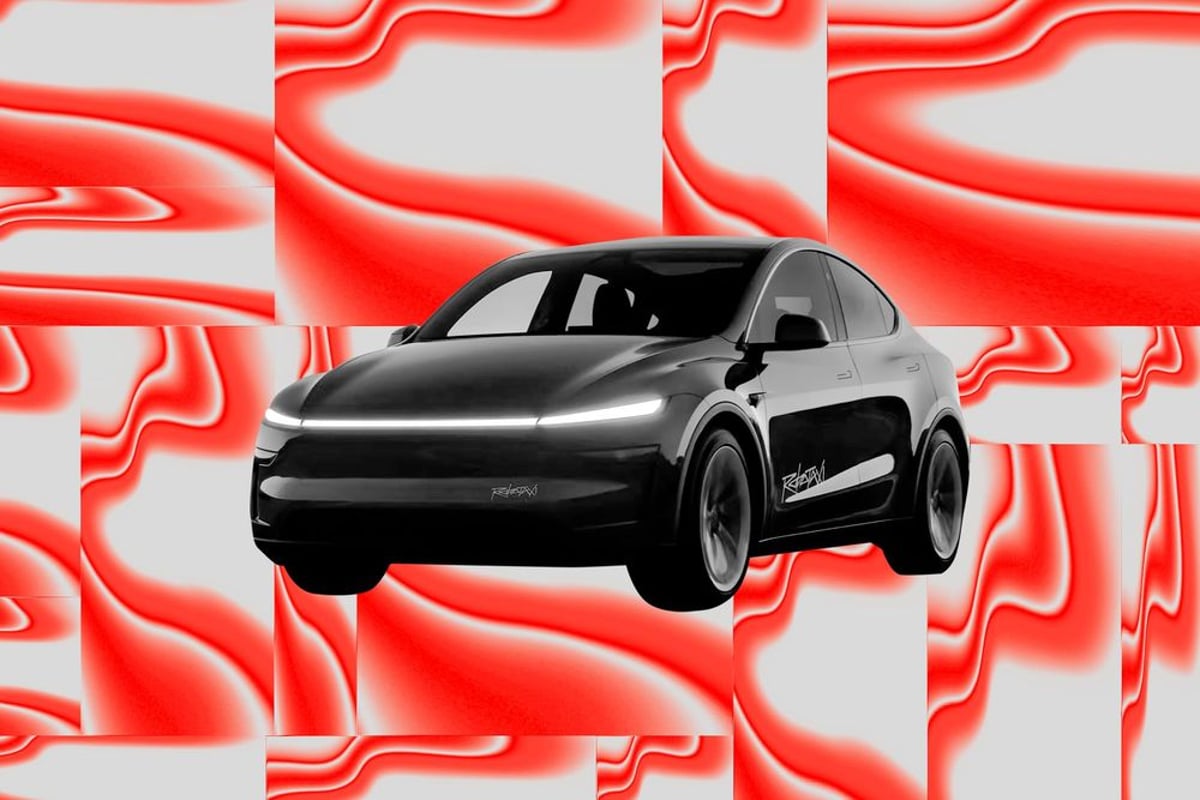
For Tesla, the timing is particularly awkward. The company recently unveiled its Robotaxi concept and has been promising investors that full autonomy is just around the corner, a claim CEO Elon Musk has been making annually since 2016. Dropping the Autopilot name in its home state undermines that narrative, even if the underlying technology remains unchanged.
What Tesla will call its driver assistance features in California going forward remains unclear. The company hasn't issued a public statement about the rebrand, and its California website still references Autopilot in some legacy content. Industry observers expect Tesla might adopt more generic terminology like "Driver Assist" or "Advanced Safety Features" to comply with DMV requirements.
The regulatory pressure extends beyond just naming conventions. California has also been pushing Tesla to provide more detailed data about how its systems perform in real-world conditions, including disengagement rates and crash statistics. That transparency could reveal gaps between Tesla's marketing promises and actual autonomous capabilities.
Competitors are watching closely. General Motors has branded its competing system "Super Cruise" with clear limitations built into the name, while Mercedes-Benz recently received certification for Level 3 autonomy in California with its Drive Pilot system, which allows true hands-free driving under specific conditions but doesn't make inflated promises about full self-driving.
The California settlement doesn't include any fines, and Tesla avoids the more serious consequence of having its dealer licenses suspended. But the reputational damage and precedent-setting nature of the enforcement action could prove more costly than any monetary penalty. Tesla has built its brand on being at the cutting edge of autonomous technology, and being forced to walk back its most recognizable feature name signals that regulators are no longer willing to let aspirational marketing outpace technological reality.
Tesla's forced retreat on Autopilot branding in California marks a watershed moment for the autonomous vehicle industry. For years, automakers have been allowed to market driver assistance features with names that suggest capabilities far beyond what the technology can actually deliver. California's enforcement action signals that era is ending, and companies will need to align their marketing with reality or face real business consequences. The question now is whether other states and federal regulators follow California's lead, potentially forcing a industry-wide reckoning on how autonomous features are marketed to consumers. For Tesla, losing the Autopilot name in its home market is more than just a regulatory compliance issue - it's a symbolic acknowledgment that the gap between promise and performance has grown too wide to ignore.