Samsung is previewing a major camera system overhaul that brings AI-powered editing directly into its Galaxy camera app. The company's teaser for next week's Galaxy Unpacked February 2026 event showcases natural language photo manipulation - turning day shots into night scenes, restoring missing image elements, and merging multiple photos through simple text commands. It's Samsung's latest push to make the camera itself a complete creative platform, eliminating the app-switching that's plagued mobile photography workflows.
Samsung just gave us the first look at what it's calling "the next evolution of the Galaxy camera" - and it's less about megapixels and more about collapsing the entire creative workflow into a single interface. The company's teaser, dropped on Samsung Newsroom, shows off capabilities that would've required Photoshop skills a few years ago, now accessible through conversational commands right in your phone's camera app.
The demos are striking in their simplicity. A daytime photo transforms into a night scene in seconds. A bite taken out of a cake gets digitally restored. Multiple shots merge into a single cohesive image. The interface? Just describe what you want in plain language. Samsung's betting that the friction point in mobile creativity isn't capture quality anymore - it's the fragmented editing experience that forces users to bounce between apps.
This builds on Samsung's Galaxy AI push, which has been steadily expanding since the company started weaving AI features into its flagship devices. But the camera overhaul represents something bigger: a fundamental rethinking of what a mobile camera is. Samsung's positioning it as an "end-to-end experience" anchored by what the company claims is its "brightest Galaxy camera system ever" - though hard specs remain under wraps until the official reveal.
The natural language interface is the real shift here. Traditional photo editing, even with AI assists, still requires users to understand tools, layers, and adjustment sliders. Samsung's approach strips that away entirely. "Editing becomes as simple as describing what you have in mind in just a few words," according to the company's announcement. It's multimodal AI meeting mobile photography, and it positions Galaxy phones as creative tools rather than just capture devices.
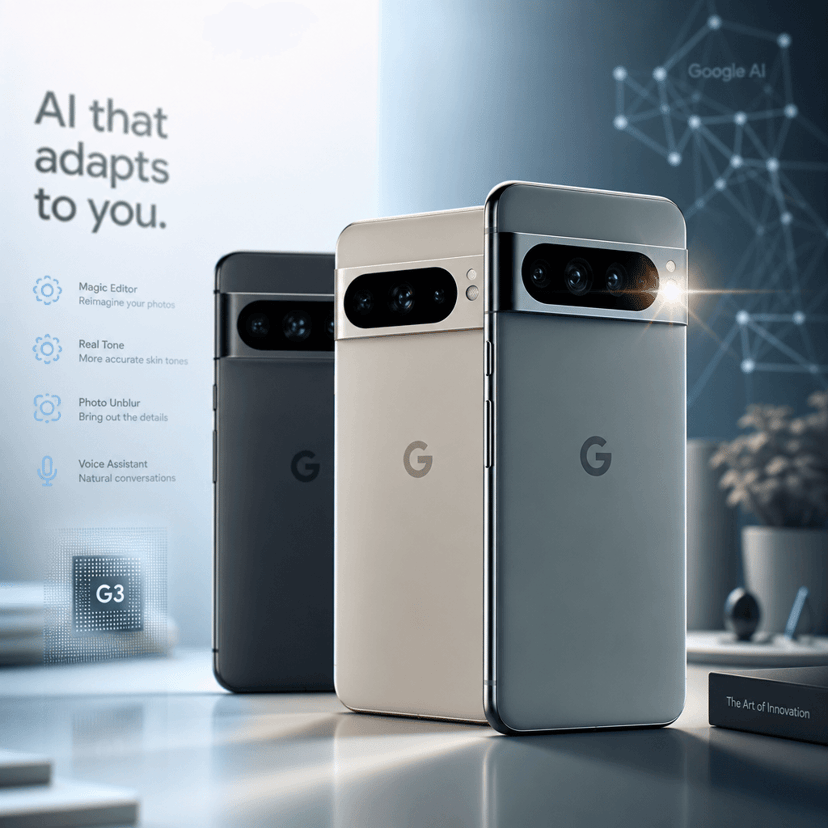
The timing matters. Apple has been iterating on computational photography for years with its iPhone lineup, while Google Pixel phones lean heavily on AI-powered photo features like Magic Eraser and Best Take. Samsung's unified workflow approach could differentiate it in a market where camera quality has largely plateaued. The question isn't whether phones can take good photos anymore - it's how easily users can turn those photos into what they actually envisioned.
Samsung's also emphasizing democratization of creative tools. "Creativity should not be limited by technical skill or experience," the company states. That's not just marketing speak - it's a direct challenge to the complexity that's defined photo editing since the desktop era. The camera app itself becomes the studio, with AI handling the technical execution while users focus on creative direction.
The feature set extends beyond editing tricks. Samsung mentions cinematic video capture, star tracking for astrophotography, and low-light performance improvements. But those are table stakes now. What's interesting is the integration layer - Galaxy AI "unifies advanced creative capabilities for capturing, editing and sharing in one intuitive platform." The sharing piece is key. If Samsung's built export and social media optimization into this workflow, it's addressing the entire content creation pipeline mobile users actually use.
Competitive pressure is mounting across the Android ecosystem. Google's Pixel 9 series doubled down on AI photo features, while Chinese manufacturers like Xiaomi and Oppo are racing to integrate generative AI into camera systems. Samsung's scale gives it an advantage - the company shipped over 226 million smartphones in 2025, giving it massive reach for any camera innovations it rolls out.
The full picture arrives next week at Galaxy Unpacked February 2026. Samsung's event timing suggests this camera system will launch with its next flagship series, likely the Galaxy S26 lineup. What remains unclear is how much processing happens on-device versus in the cloud, and whether these features will trickle down to mid-range Galaxy phones or remain flagship-exclusive.
What's certain is that Samsung's reframing the camera conversation. The hardware race isn't over, but the battleground has shifted to AI-powered workflows and natural interfaces. Every smartphone camera can capture reality now. Samsung's betting the future belongs to whoever makes it easiest to reshape that reality on the fly.
Samsung's camera overhaul signals where mobile photography is headed - away from technical complexity and toward conversational creativity. By collapsing capture, editing and sharing into a unified AI-powered interface, the company's not just iterating on features, it's reimagining the entire workflow. Whether this resonates with users depends on execution, but the pitch is compelling: your camera becomes a creative partner, not just a capture tool. Next week's Galaxy Unpacked will reveal if Samsung can deliver on that promise at scale.