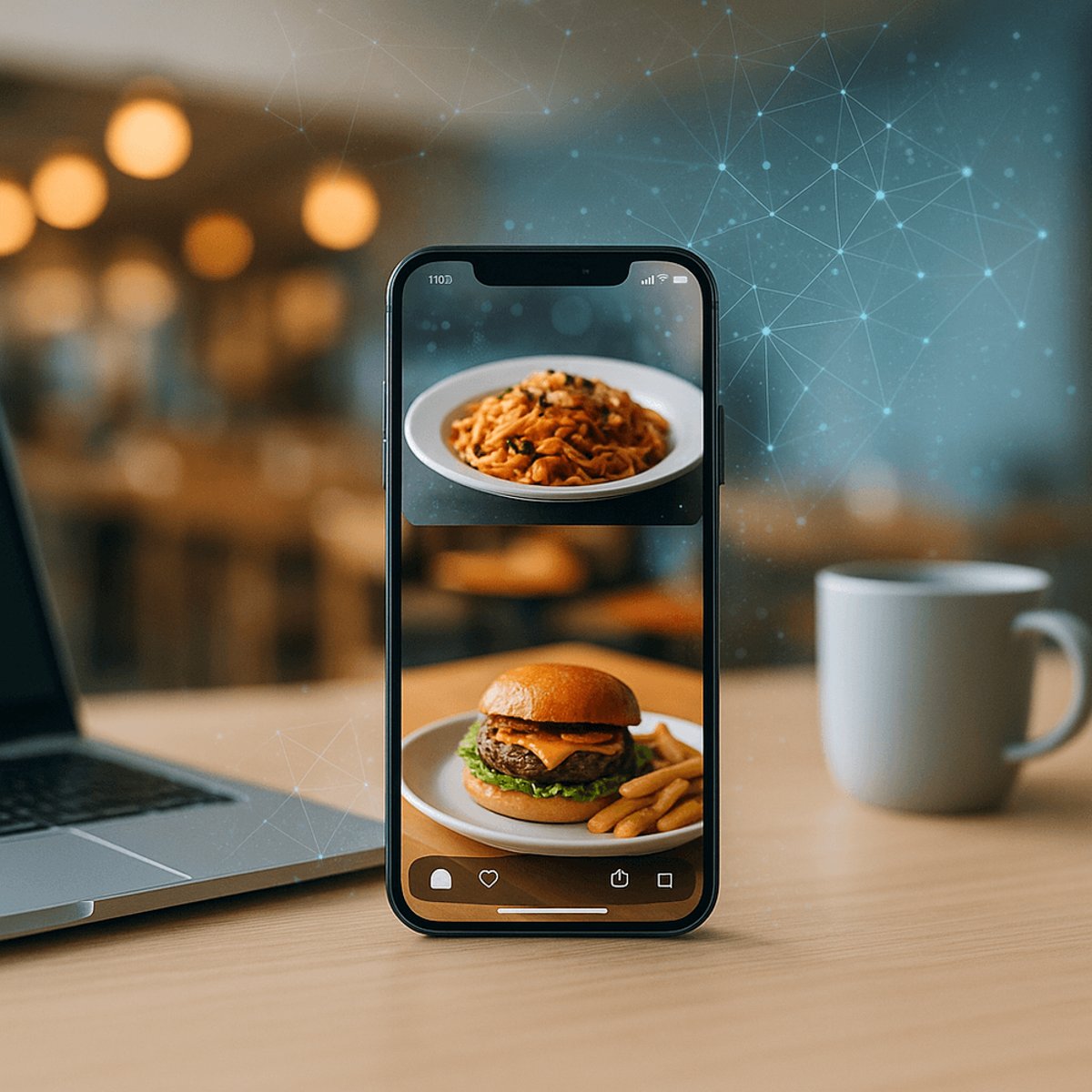
DoorDash just jumped headfirst into the creator economy, launching a compensated video program that puts local food reviewers front and center in its app. The move signals DoorDash's push to compete with Uber Eats' TikTok-style feed while rolling out AI-powered recommendations and dine-in rewards that blur the line between delivery and restaurant discovery.
DoorDash is making its biggest play yet for social commerce dominance. The company announced Tuesday it's launching a creator program that will pay users to produce short-form videos showcasing local restaurant dishes - a direct challenge to Uber Eats' TikTok-inspired video feed that launched last year.
The program kicks off in 20 major US cities including Atlanta, Austin, Miami, and San Francisco, with plans to expand nationwide by year's end. Selected creators will film their dining experiences at local restaurants and get compensated based on content performance, though DoorDash hasn't revealed its monetization structure yet.
'We want users to preview dishes before they order them,' the company explained, positioning the videos as discovery tools rather than pure entertainment. It's a smart move that addresses one of food delivery's biggest pain points - the gap between menu photos and reality.
But DoorDash isn't stopping at creator content. The company's also rolling out 'Going Out,' a feature that flips its delivery-first model on its head by rewarding users for actually visiting restaurants in person. DashPass members can now earn exclusive offers and rewards for dining out, with early users seeing an average of $9 in value per order.
'With Going Out, you can find and redeem exclusive in-app offers when you dine in and earn rewards just for coming back,' Parisa Sadrzadeh, DoorDash's VP of strategy and operations, told TechCrunch at Monday's press event.
The rewards program is already live at thousands of restaurants across the US and Australia, and DoorDash is temporarily opening access to all users, not just DashPass subscribers. It's a calculated grab for market share that shows how delivery companies are evolving into full-spectrum dining platforms.
Meanwhile, DoorDash's AI push is getting more sophisticated. The app now serves up personalized recommendations on the homepage using machine learning that factors in past orders, budget, dietary restrictions, time of day, and location. A new 'Complement your Cart' section suggests grocery add-ons during checkout, while AI smart tags automatically categorize menu items as vegetarian, gluten-free, or high-protein.
'We're looking at an individual restaurant item, and we use every piece of information we have,' Austin Haugen, DoorDash's VP of product, explained. 'The customer reviews, the text from the merchant, the photo of the item, to start to infer things about those items.'
The AI tagging system will roll out across the US, Canada, Australia, and New Zealand, giving DoorDash a data advantage in menu categorization that smaller competitors will struggle to match.
DoorDash is also expanding its reservation capabilities through its acquisition of SevenRooms, letting users book tables directly in the app. Combined with the Going Out rewards program, it positions DoorDash as more than just a delivery service - it's becoming a comprehensive dining discovery platform.
The strategy makes sense given the competitive landscape. Uber Eats has been testing similar social features, while traditional restaurant discovery apps like OpenTable face pressure from delivery platforms with deeper pockets and broader user bases. DoorDash's multi-pronged approach - creator content, AI recommendations, and dine-in rewards - creates multiple touchpoints with users beyond just delivery orders.
For creators, the program represents a new revenue stream in an increasingly crowded influencer economy. But success will depend on DoorDash's ability to drive meaningful engagement and conversion from video content, something even TikTok struggles with in commerce applications.
DoorDash's triple-threat launch shows how delivery platforms are morphing into comprehensive dining ecosystems. By combining creator monetization, AI-driven discovery, and dine-in rewards, the company is betting it can capture users across the entire food experience - from browsing videos to booking tables. The real test will be whether these features drive meaningful revenue growth or just add complexity to an already crowded app interface. Watch for competitor responses and creator adoption rates in key markets through Q4.