General Motors just dropped a bombshell that'll reshape how millions of drivers interact with their cars. CEO Mary Barra confirmed the automaker will eliminate Apple CarPlay and Android Auto support across its entire vehicle lineup - not just electric cars - as part of a massive bet on Google's Gemini AI assistant launching in 2028. The move puts GM at odds with virtually every other major automaker and millions of smartphone-dependent drivers.
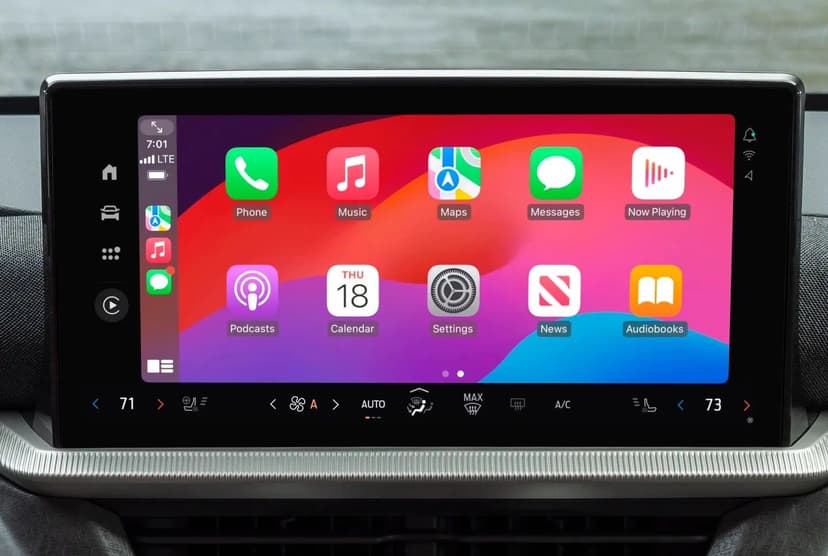
General Motors just made the boldest - and potentially most dangerous - bet in automotive tech. CEO Mary Barra confirmed during a Decoder podcast interview that the company will eliminate Apple CarPlay and Android Auto support across its entire vehicle lineup, extending a controversial policy that previously only applied to electric vehicles.
The announcement sent shockwaves through an industry where smartphone projection has become as essential as cup holders. While GM initially restricted the policy to EVs in 2023, Barra's comments make clear the company plans to go all-in on its own infotainment ecosystem powered by Google's Gemini AI assistant.
"As we get to a major rollout, I think that's the right expectation. Yes," Barra told The Verge's Nilay Patel when pressed about whether new gas cars would lose smartphone projection. The changes will roll out gradually with each "major new vehicle launch" rather than hitting all 40+ models simultaneously.
GM's gamble centers on a new centralized computing platform set to launch in 2028. Instead of letting drivers mirror their phones, GM wants to control the entire digital experience through Google's Android-powered infotainment system enhanced with Gemini AI capabilities and custom apps built in-house and with partners.
The strategy puts GM radically out of step with industry trends. Ford recently reversed course on similar plans after customer backlash, while virtually every other major automaker has doubled down on CarPlay and Android Auto integration. Even luxury brands like Mercedes and BMW, which initially resisted smartphone projection, now offer it as standard equipment.
GM's reasoning reflects broader tensions in the automotive industry over data and customer relationships. CarPlay and Android Auto essentially turn car screens into extensions of smartphones, giving Apple and Google direct access to driver behavior and preferences. By eliminating phone projection, GM maintains control over valuable customer data while potentially generating new revenue streams through subscription services and partnerships.
But the move carries enormous risks. Consumer surveys consistently show CarPlay and Android Auto among the most desired vehicle features, with many buyers refusing to consider cars that lack smartphone integration. GM could be betting its future on the assumption that AI assistants will prove so compelling that customers won't miss their familiar phone interfaces.
The timing is particularly bold given GM's recent struggles in the EV market and ongoing quality concerns across its lineup. Alienating customers over infotainment systems seems like a dangerous distraction from core automotive challenges.
Industry analysts remain skeptical about GM's chances of success. The company's track record with infotainment systems has been mixed at best, and competing with the polish and ecosystem integration of Apple and Google represents a massive technical challenge.
The rollout will be gradual, giving GM time to test customer reaction and potentially adjust course if the backlash proves too severe. But Barra's definitive comments suggest the company is committed to this path regardless of short-term customer friction.
GM's decision to eliminate CarPlay and Android Auto across all vehicles represents the most aggressive automotive tech bet since Tesla went all-in on touchscreen controls. The company is gambling that Google's AI assistant will be compelling enough to overcome decades of smartphone dependency among drivers. While the move could pay off if executed flawlessly, it also risks alienating millions of customers who consider smartphone projection non-negotiable. The automotive industry will be watching closely to see whether GM's bold vision becomes the future of in-car computing or a cautionary tale about fighting consumer preferences.