Fresh off securing a potentially $1 trillion compensation package from Tesla shareholders, Elon Musk celebrated this weekend by posting AI-generated videos of synthetic women declaring love - triggering widespread mockery and a literary takedown from 87-year-old author Joyce Carol Oates that cuts deeper than any market analysis.
The world's richest man just had a very public moment with artificial intelligence, and the internet isn't letting him forget it. After Tesla shareholders approved what could become a $1 trillion compensation package, CEO Elon Musk spent his weekend experimenting with Grok Imagine, his company's new AI video generator - with results that sent social media into overdrive.
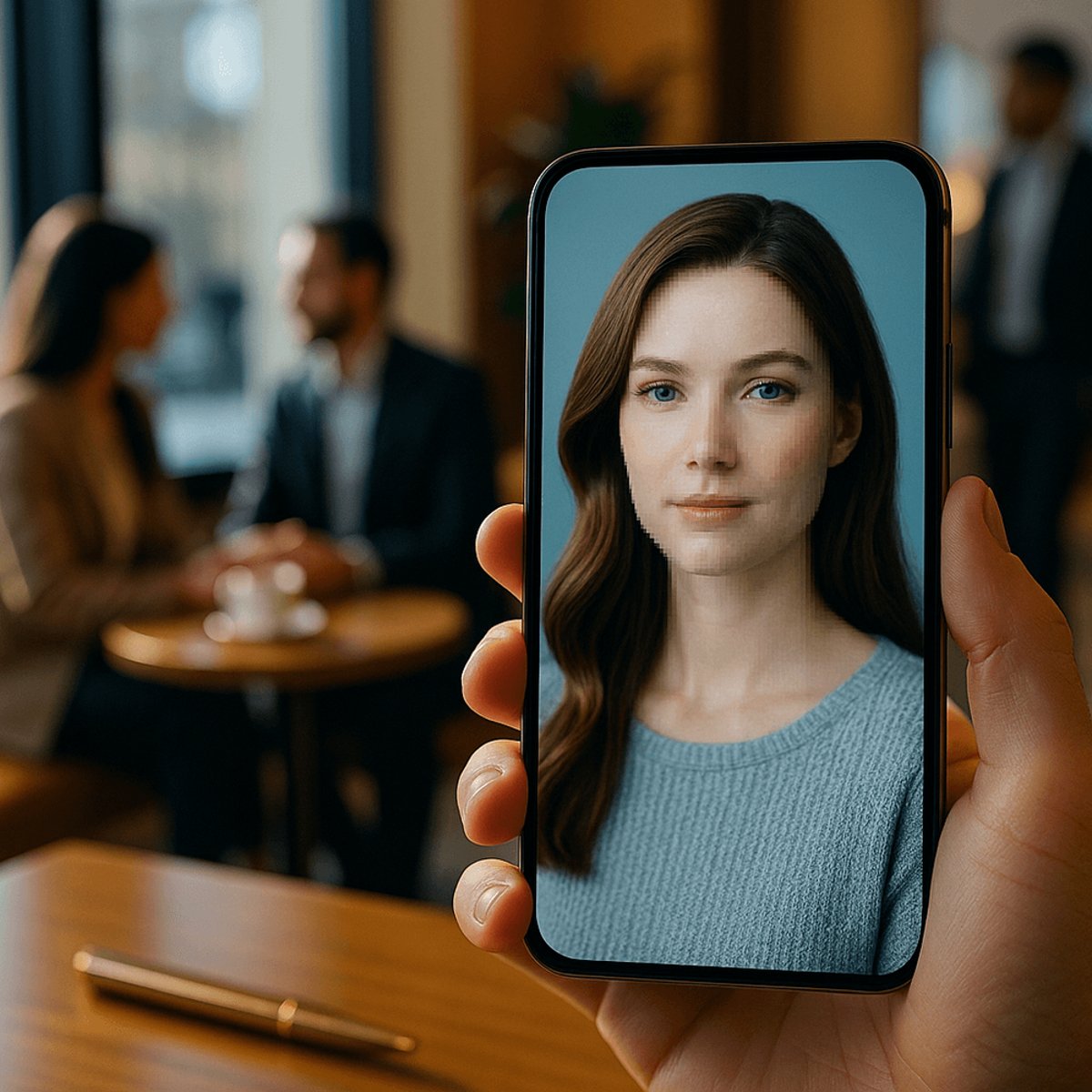
At 4:20 AM EST Saturday (a timestamp that surely wasn't chosen randomly), Musk posted a video generated entirely by xAI's Grok platform. His prompt was simple but telling: 'She smiles and says, I will always love you.' The result? A synthetic woman on a rainy street delivering those exact words in an obviously artificial voice.
Twenty-four minutes later, he followed up with another Grok creation featuring actress Sydney Sweeney - or rather, a deepfake version - saying 'You are so cringe' in a voice that definitely wasn't hers. The juxtaposition felt intentional, like Musk was having a conversation with himself through AI avatars.
The response was swift and merciless. X users immediately pounced on what many saw as a public display of loneliness disguised as tech demonstration. One user described the romantic AI video as 'the most divorced post of all time,' while another called it 'the saddest post in the history of this website.' The comments section became a digital therapy session nobody asked for.
But the most devastating critique came from an unexpected source: 87-year-old Pulitzer Prize winner Joyce Carol Oates. Responding to Musk's weekend posting spree, the literary giant delivered a observation that hit harder than any stock analysis. She noted how 'curious' it was that Musk 'never posts anything that indicates that he enjoys or is even aware of what virtually everyone appreciates' - whether friends, family, nature, pets, movies, music, or books.
'In fact he seems totally uneducated, uncultured,' Oates wrote in what became an instant viral moment. 'The poorest persons on Twitter may have access to more beauty & meaning in life than the most wealthy person in the world.' It was the kind of literary precision that cuts through billions in net worth.
Musk's response was characteristically blunt: 'Oates is a liar and delights in being mean. Not a good human.' The exchange perfectly captured the weekend's surreal energy - the world's wealthiest person arguing with an octogenarian author about the nature of human connection.
The incident arrives at a particularly sensitive moment for AI-generated content. As deepfake technology becomes increasingly sophisticated, platforms are grappling with everything from non-consensual celebrity content to users forming genuine romantic relationships with chatbots. Musk's casual deployment of synthetic celebrity voices raises questions about consent and authenticity that his own platform is still learning to handle.
For Tesla investors who just approved a compensation package that could make Musk the first trillionaire, the weekend's posts offered an uncomfortable glimpse into how their CEO processes success. While the company's stock has soared on AI and autonomous driving promises, watching its leader generate romantic content with artificial intelligence felt like a different kind of future than shareholders probably imagined.
The Grok Imagine tool itself represents xAI's latest attempt to compete with established players like OpenAI and Google in the generative AI space. Unlike many competitors, Grok has fewer content restrictions, allowing users to create potentially controversial or explicit material - a feature that Musk has positioned as supporting free speech but critics see as enabling harmful content.
This weekend's viral moment also highlights the strange intersection of wealth, technology, and human connection in the AI age. Here's someone who can literally afford anything, using artificial intelligence to simulate the most basic human experience: being told 'I love you.' It's either the ultimate tech demo or the most expensive therapy session ever documented.
Musk's weekend AI experiment reveals the strange psychology of extreme wealth in the age of artificial intelligence. While he commands a trillion-dollar compensation package and leads multiple tech companies, his public embrace of synthetic relationships suggests that all the money and technology in the world can't solve the fundamental human need for authentic connection. Whether this was a calculated product demonstration or an unguarded moment of vulnerability, it's become a defining example of how even the most powerful people struggle with the promises and pitfalls of AI companionship.