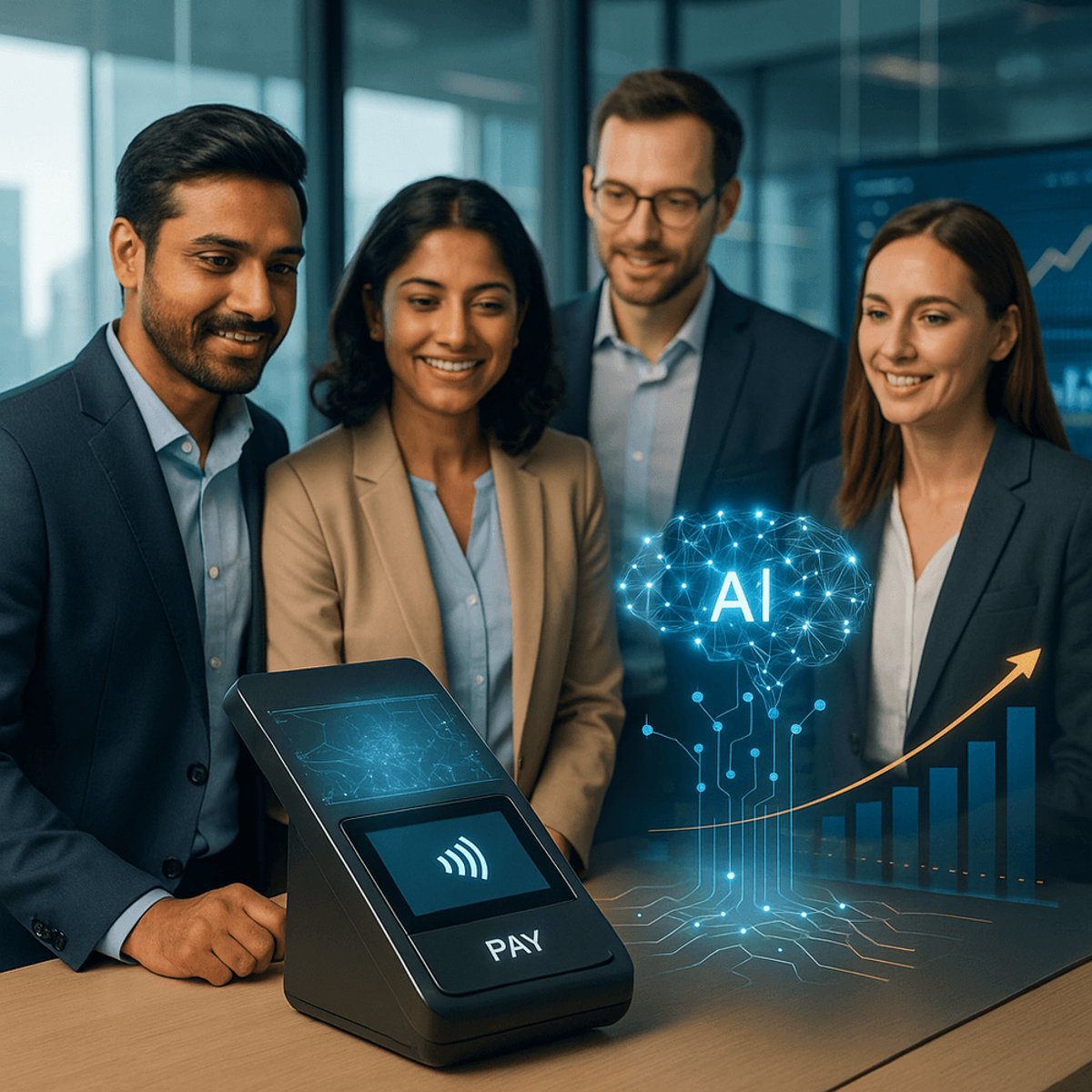
OpenAI is making its most aggressive play yet for India's enterprise market, partnering with fintech giant Pine Labs to embed AI into the country's digital payments and commerce infrastructure. The deal marks a strategic shift from OpenAI's consumer-focused ChatGPT presence in India toward capturing enterprise revenue in one of the world's fastest-growing digital economies. With Pine Labs processing billions in merchant transactions across Asia, the partnership could give OpenAI unprecedented access to India's booming payments ecosystem.
OpenAI just handed itself the keys to India's digital payments engine. The Sam Altman-led AI giant announced a partnership with Pine Labs, one of Asia's largest merchant commerce platforms, to bring AI-powered tools directly into the transactions flowing through India's $1 trillion digital payments market.
The move represents OpenAI's most significant bet on India's enterprise sector to date. While ChatGPT has gained millions of users across the subcontinent, this partnership targets the infrastructure layer where actual money changes hands - point-of-sale systems, online checkout flows, and merchant analytics platforms that Pine Labs operates across 500,000 merchant locations.
"We're not just adding a chatbot to receipts," a person familiar with the partnership told TechCrunch. The integration aims to embed OpenAI's language models into fraud detection systems, personalized checkout experiences, and merchant business intelligence tools - the unglamorous but lucrative backend of digital commerce.
For Pine Labs, which counts Mastercard, Temasek, and PayPal among its backers and reportedly shelved IPO plans last year, the OpenAI partnership offers a technological refresh at a critical moment. The company's last disclosed valuation hit $5 billion in 2022, but it's been racing to differentiate itself as competition intensifies from Paytm, PhonePe, and Google Pay in India's crowded fintech landscape.
The timing isn't accidental. India's digital payments volume surged past 131 billion transactions in 2025, according to the National Payments Corporation of India, making it the world's largest real-time payments market by volume. But profitability remains elusive for most players. By adding AI-driven features like predictive inventory alerts for merchants or dynamic fraud scoring, Pine Labs is betting it can finally charge premium rates for value-added services rather than competing on transaction fees alone.
OpenAI gets something arguably more valuable: training data from real-world commerce at massive scale. Every "Would you like fries with that?" upsell, every abandoned cart, every fraudulent transaction flagged by the system becomes fodder for refining models specifically tuned to emerging market commerce patterns. That data doesn't exist in OpenAI's Western training sets, and you can't scrape it from the internet.
The partnership also reveals OpenAI's growing pragmatism about international expansion. Rather than pushing enterprise customers to adopt GPT-4 directly through API contracts - a tough sell in price-sensitive markets - it's embedding its technology inside platforms businesses already use. Pine Labs handles merchant relationships, compliance, and localization while OpenAI provides the intelligence layer.
It's a strategy OpenAI has deployed before with Microsoft's enterprise suite, but never in a pure-play fintech context at this scale. The India deal could become a template for similar partnerships across Southeast Asia, Latin America, and Africa, where fintech platforms have deeper merchant relationships than OpenAI could build on its own.
Competitors are already circling. Google has been aggressively pushing its Gemini models into India through cloud partnerships, while Anthropic recently announced deals with Indian AI startups. Microsoft, which has invested $13 billion in OpenAI, operates its own payments infrastructure through LinkedIn and could find itself competing with its partner in the merchant services arena.
The wild card is regulation. India's central bank has been tightening oversight of fintech partnerships, particularly around data sharing and cross-border processing. If OpenAI plans to train models on Indian transaction data, it'll need ironclad consent frameworks and local data residency guarantees - details neither company has disclosed yet. One false move, and regulators who've already cracked down on Paytm and other fintechs won't hesitate to freeze the partnership.
For merchants using Pine Labs terminals, the changes should start appearing within months, according to sources familiar with the rollout timeline. Expect smarter recommended products at checkout, AI-generated end-of-day business reports, and natural language queries replacing clunky analytics dashboards. Whether small business owners in Bangalore and Mumbai will pay extra for those features remains the billion-dollar question.
OpenAI's Pine Labs partnership marks a turning point in how AI companies approach emerging markets - not through consumer apps or cloud APIs, but by embedding intelligence into the transaction infrastructure millions of businesses already depend on. If the model works in India's complex, high-volume, low-margin payments ecosystem, expect OpenAI to replicate it across every major developing economy. The race to monetize AI just shifted from chatbots to checkout counters, and OpenAI's betting that commerce infrastructure, not conversations, will drive its next growth phase. The real test comes when merchants see their first invoice for AI-powered features and decide whether intelligent payments are worth paying for.