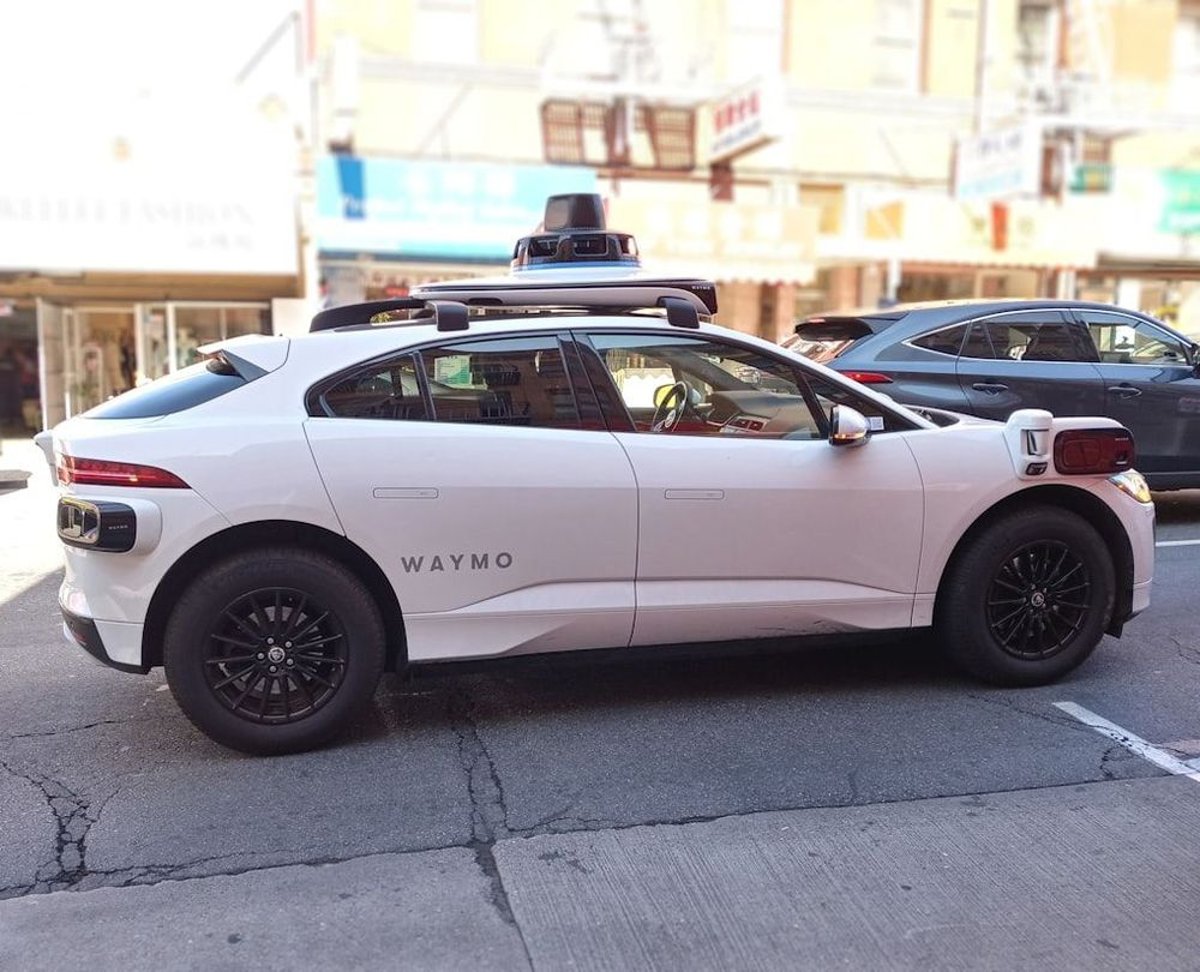
Waymo is pushing back against claims that its robotaxis are secretly driven by remote operators. After testimony from a company executive went viral during a Senate hearing, Waymo's head of global operations Ryan McNamara sent a detailed letter to Sen. Ed Markey (D-MA) on Tuesday spelling out exactly what its remote assistance team does - and doesn't do. The disclosure reveals the company employs roughly 70 remote agents split between the US and the Philippines, but insists they only provide guidance when the autonomous system explicitly asks for help.
Waymo found itself in damage control mode this week after a Senate hearing sparked widespread confusion about how its self-driving taxis actually work. The Google-owned autonomous vehicle company revealed it maintains a team of 70 remote assistance agents - with half based overseas in the Philippines - but insists these workers aren't steering cars from computer screens.
The controversy erupted when Ryan McNamara, Waymo's head of global operations, testified before the Senate about the company's remote assistance operations. Video clips from the hearing quickly went viral on social media, with many interpreting the testimony as proof that Waymo's supposedly autonomous vehicles rely heavily on human intervention.
In a letter sent to Sen. Ed Markey (D-MA) on Tuesday, McNamara attempted to set the record straight. The remote agents "provide advice only when requested by the automated driving system on an event-driven basis," the letter states. They don't take control of the vehicle or make real-time driving decisions - instead, they help the AI navigate ambiguous situations it can't resolve on its own.
The distinction matters. Critics have long questioned whether robotaxi companies oversell their autonomous capabilities while quietly relying on human backup. But Waymo argues its system is fundamentally different from remote driving services where humans actively control vehicles. When a Waymo vehicle encounters something unusual - construction zones with unclear lane markings, confusing traffic patterns, or blocked routes - it stops and asks for high-level guidance rather than transferring control to a remote operator.
According to McNamara's letter, these remote assistance requests happen relatively infrequently given Waymo's fleet size and operational scale. The company now provides over 200,000 paid rides weekly across Los Angeles, San Francisco, Phoenix, and Austin. That scale means even a small percentage of edge cases requiring human input translates to steady work for the 70-agent team.
The offshore staffing raised additional questions. Why base half the team in the Philippines rather than keeping all operations domestic? Waymo didn't address this directly in the letter, though the decision likely reflects standard tech industry practices around cost optimization and 24/7 coverage across time zones. The company emphasized that all agents receive the same training and operate under identical protocols regardless of location.
The Senate hearing and subsequent fallout highlight the delicate balancing act facing autonomous vehicle companies. They need to demonstrate their technology works reliably without human intervention to satisfy regulators and investors. But they also can't pretend their systems never need help - being transparent about limitations is crucial for safety and public trust.
Tesla faces similar scrutiny around its Full Self-Driving feature, which despite its name requires constant driver supervision. The difference is Tesla puts responsibility on customers sitting in the driver's seat, while Waymo maintains professional remote staff as a safety backstop. Neither approach eliminates humans from the loop entirely, they just position them differently.
Regulators are increasingly focused on these operational details. Sen. Markey has been particularly vocal about autonomous vehicle safety, pushing companies to disclose how their systems handle edge cases and what happens when automation fails. The letter to Markey suggests Waymo recognizes it needs to be more proactive about explaining its approach before viral moments shape the narrative.
The timing is sensitive for Waymo as it pushes to expand operations. The company recently announced plans to bring its service to additional cities and is working to scale up its fleet significantly. Public confidence in the technology remains fragile - one high-profile accident or revelation about operational practices could trigger regulatory backlash that slows expansion plans.
What the controversy really reveals is how little most people understand about how modern autonomous systems actually work. The technology has advanced dramatically, but it's not magic. These systems rely on massive amounts of training data, sophisticated AI models, and yes, occasional human judgment when confronted with situations that don't match their training. The question isn't whether humans are involved - it's how and when they intervene.
Waymo's detailed response to Sen. Markey shows the company understands it can't afford to let misconceptions about its technology fester. As robotaxi services move from limited pilots to genuine commercial operations serving hundreds of thousands of rides weekly, transparency about how these systems actually work becomes essential. The remote assistance disclosure may seem like a vulnerability, but acknowledging the role of human oversight in edge cases is actually more credible than claiming perfect autonomy. The real test will be whether Waymo can maintain public confidence while expanding to new markets where skepticism about self-driving technology remains high.