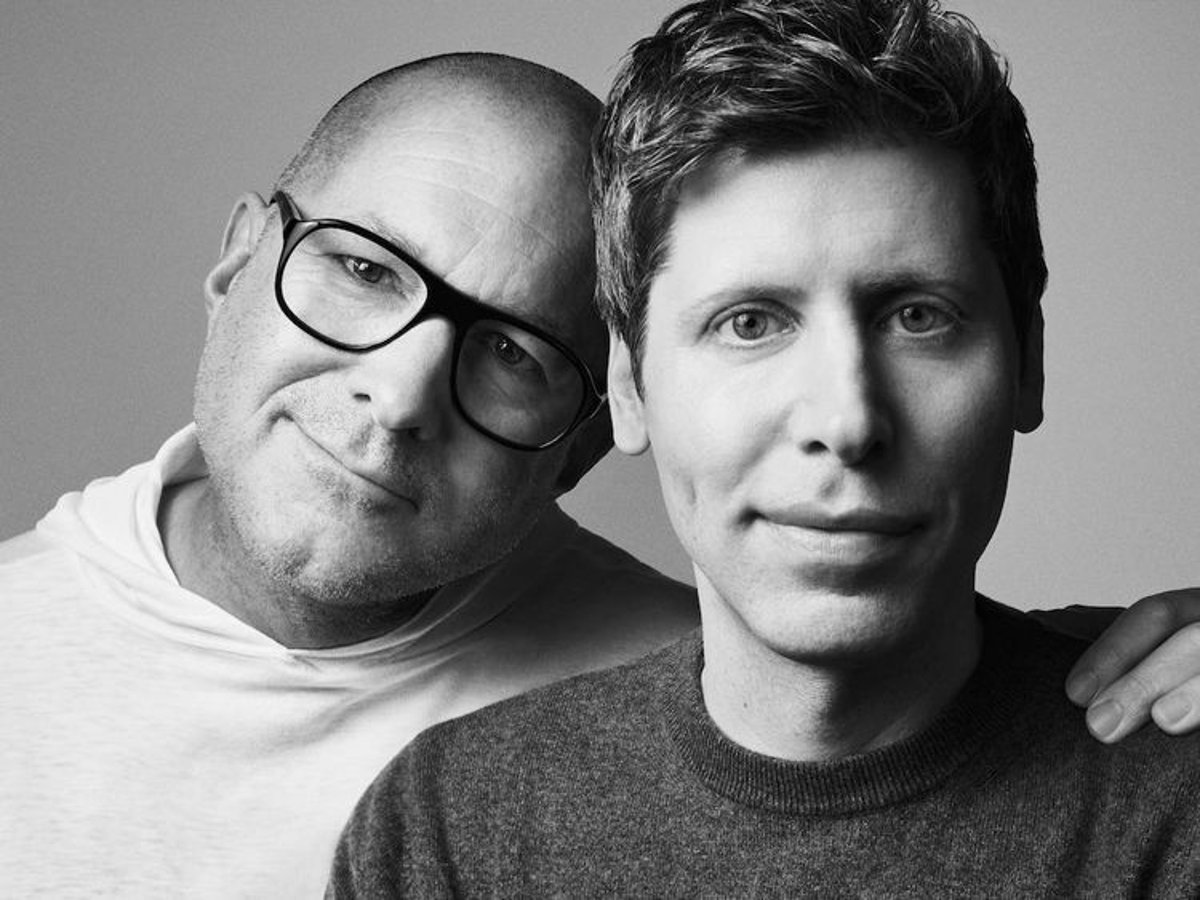
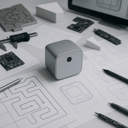
OpenAI is secretly developing a family of AI-powered devices with Apple's former design chief Jony Ive, including a smart speaker, AR glasses, voice recorder, and wearable pin. The bombshell leak reveals manufacturing deals already in place and a 2026 launch timeline that could reshape the consumer AI landscape.
OpenAI just dropped the biggest hint yet about its hardware ambitions, and it's way more ambitious than anyone expected. The ChatGPT maker isn't just building one AI device with Jony Ive - it's planning an entire ecosystem of smart gadgets that could launch as early as late 2026.
The centerpiece device "resembles a smart speaker without a display," according to sources with direct knowledge speaking to The Information. But that's just the beginning. The leaked roadmap reveals OpenAI is also considering smart glasses, a digital voice recorder, and even a wearable pin - despite Ive's previous criticism of similar devices like the Humane AI Pin.
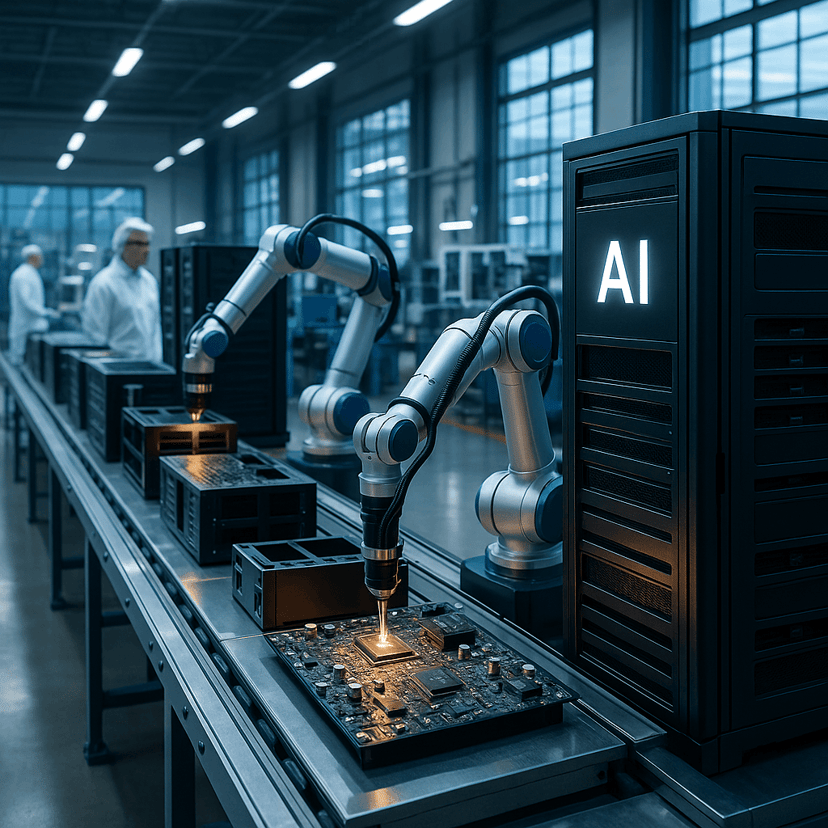
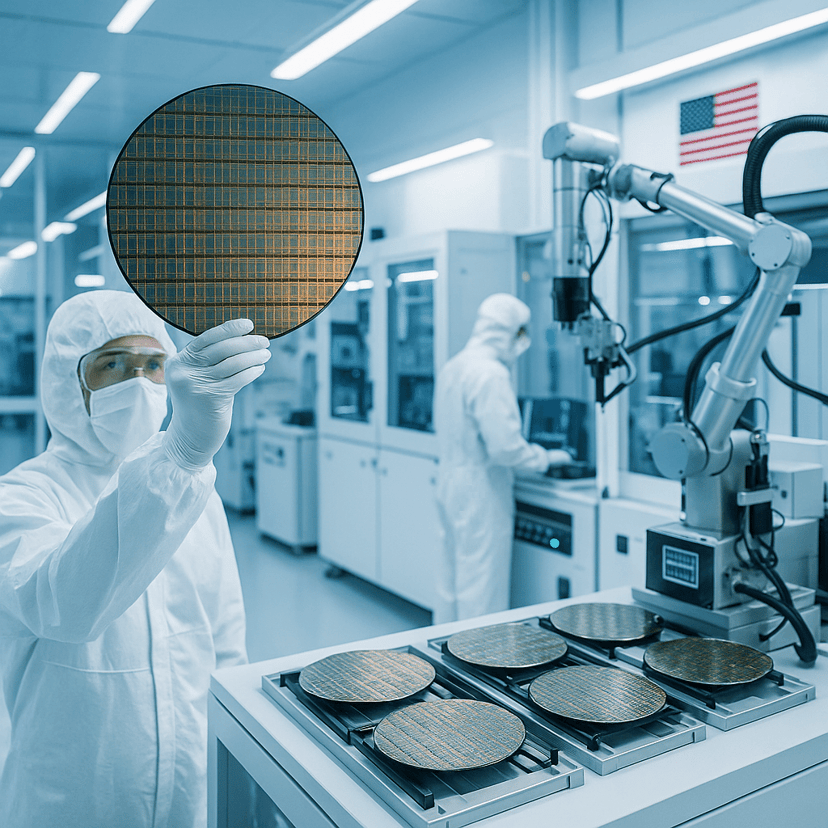
The manufacturing machine is already spinning up. OpenAI has locked in a contract with Luxshare, the same company that assembles iPhones and AirPods for Apple. They've also approached Goertek, another key Apple supplier responsible for AirPods, HomePods, and Apple Watches. It's a direct tap into the supply chain that built the world's most successful consumer electronics.
This represents a major expansion from what CEO Sam Altman described back in May as a "family of devices" starting with something "pocket-size, contextually aware, and screen-free." The smart speaker aligns with that vision, but the additional gadgets suggest OpenAI is thinking much bigger about the AI hardware opportunity.
The timing is fascinating. Altman previously ruled out glasses as the first device, but now they're back on the table for future releases. The inclusion of a wearable pin is particularly surprising given Ive's harsh words about existing AI pins. During development discussions, Ive reportedly "slammed the Humane AI Pin" according to previous reporting. Yet here they are, apparently reconsidering the form factor.
What's notably absent is the in-ear device that earlier reports suggested Altman and Ive were exploring. That could signal a shift in strategy or simply reflect the current snapshot of a fluid product roadmap.
Behind the scenes, there's a talent war brewing that's getting personal. Apple actually canceled a meeting with its Chinese manufacturing and supply chain teams last month, reportedly out of concern that keeping executives away from Cupertino headquarters would make them easier targets for OpenAI recruiters. The paranoia appears justified - Apple hardware veterans have been jumping ship in increasing numbers since the Ive partnership was announced.
Tang Tan, OpenAI's current chief hardware officer and former Apple product design head, has been actively wooing former colleagues with promises they'll "encounter less bureaucracy and more collaboration at OpenAI," according to sources familiar with his recruitment pitch. It's a compelling offer for Apple employees frustrated with the company's famously complex approval processes.
The broader implications ripple across the entire consumer electronics industry. If OpenAI can successfully translate its AI software dominance into compelling hardware, it threatens Apple's grip on premium consumer devices. The company already proved it can build products people want with ChatGPT - now it's betting it can build products people will carry.
For competitors, the 2026 timeline creates both opportunity and pressure. Amazon has been iterating on Alexa-powered devices for nearly a decade, while Google continues pushing its Nest ecosystem. But neither has cracked the code on truly contextual, conversational AI hardware. OpenAI's advantage lies in its language models - the question is whether great software can overcome hardware inexperience.
The manufacturing partnerships suggest OpenAI is serious about scale from day one. Luxshare and Goertek don't take on clients planning to ship thousands of units - they're built for millions. That level of ambition requires significant upfront investment and confidence in market demand.
What remains unclear is how these devices will differentiate from existing smart speakers, glasses, and wearables flooding the market. The "contextually aware" promise suggests deeper integration with OpenAI's AI models, potentially offering more natural interactions than current voice assistants. But execution will determine whether that translates into compelling user experiences or just another set of gadgets competing for attention.
The leaked OpenAI hardware roadmap represents the most concrete evidence yet that AI companies are serious about moving beyond software into physical products. With Ive's design expertise, Apple's manufacturing partnerships, and ChatGPT's conversational AI as the foundation, OpenAI is positioning itself to challenge established players across multiple device categories simultaneously. The 2026 timeline gives competitors roughly 18 months to respond - but it also gives OpenAI that same window to prove it can execute on hardware as successfully as it has on AI models.