OpenAI is making its most aggressive move into hardware yet, partnering with Apple supplier Luxshare to manufacture consumer AI devices. The deal sent Luxshare shares soaring 10% Monday as OpenAI positions itself to challenge Apple's dominance in smart devices with ChatGPT-powered hardware expected by late 2026.
OpenAI just made its boldest hardware play yet, and it's using Apple's own supplier to do it. Luxshare, the Chinese manufacturer behind AirPods and Vision Pro assembly, saw its shares rocket 10% Monday after reports emerged of a consumer AI device partnership with Sam Altman's company.
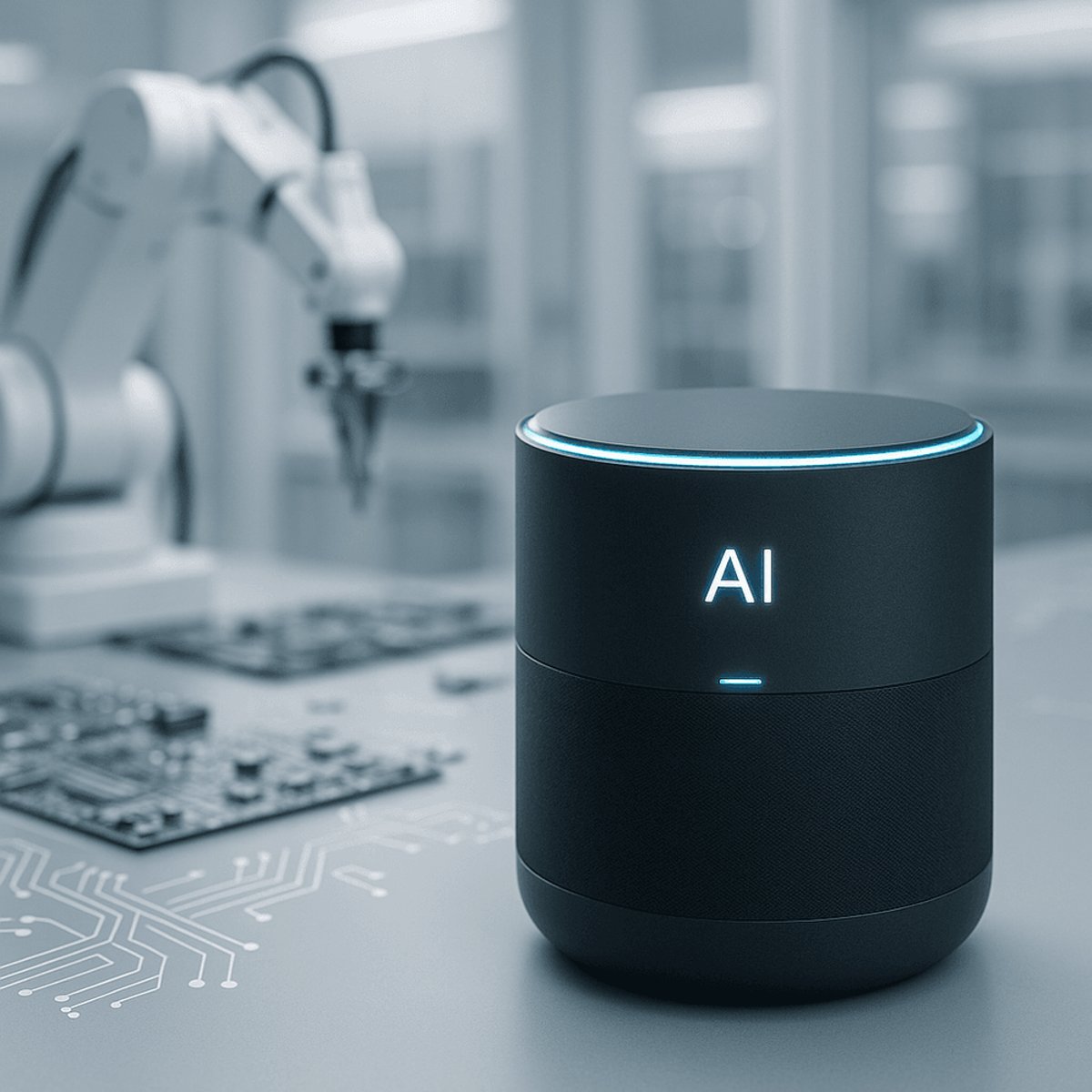
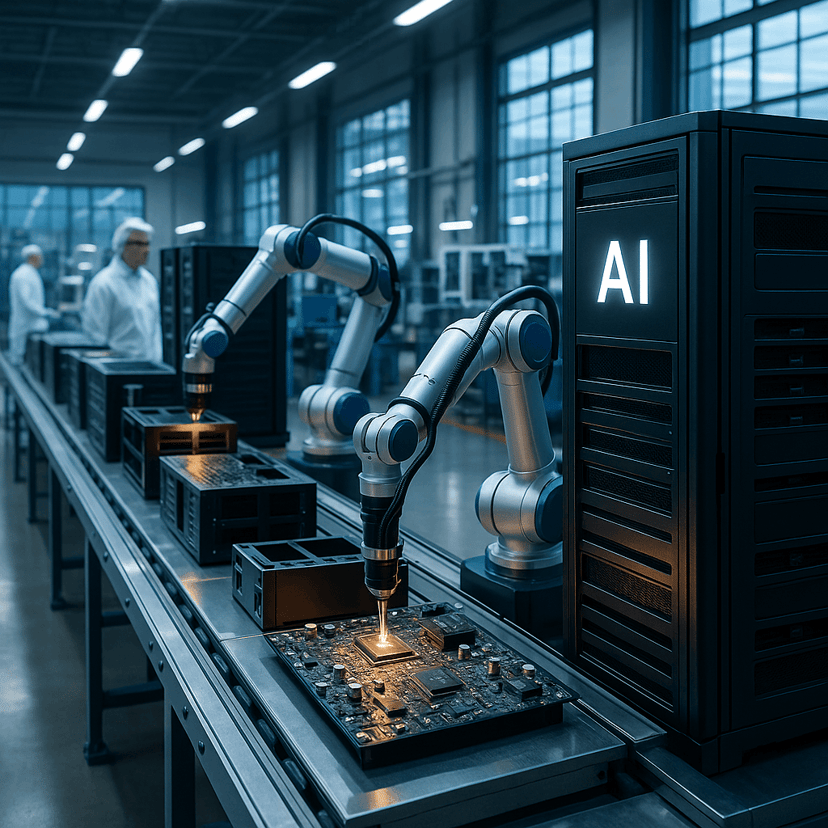
The deal marks a seismic shift in AI's hardware landscape. According to The Information's Friday report, Luxshare is already building prototypes powered by ChatGPT's large language models. Sources familiar with the matter describe devices resembling smart speakers without displays - a direct shot across Apple's Siri-powered ecosystem.
Luxshare hit the daily trading limit on the Shenzhen Stock Exchange, bringing its year-to-date gains to a stunning 50%. The company that quietly assembles some of Apple's most premium products now finds itself at the center of what could become the biggest hardware disruption since the iPhone.
"One of the products OpenAI has talked to suppliers about making would resemble a smart speaker without a display," one source told The Information, with launches targeted for late 2026 or early 2027. That timeline puts OpenAI on a collision course with Apple's next-generation devices, potentially fracturing the comfortable relationship between the two companies.
The partnership represents more than just manufacturing - it's talent warfare. OpenAI has been systematically poaching Apple engineers for its hardware division, now led by former Apple executive Tang Tan. The AI company earlier this year acquired Jony Ive's hardware startup io Products in a $6.4 billion deal, bringing the designer behind the iPhone into its orbit.
But OpenAI isn't stopping with Luxshare. The company has also approached Goertek, another Apple supplier responsible for AirPods and HomePods, for speaker components. The strategy is clear: build an alternative manufacturing ecosystem using Apple's own supply chain partners.
The timing couldn't be more strategic. As Apple integrates ChatGPT into iOS through Apple Intelligence, OpenAI is positioning itself to compete directly rather than remain a service provider. The partnership with former Apple designer Jony Ive signals ambitions far beyond smart speakers - this could be the foundation for an entire hardware ecosystem.
OpenAI's hardware push extends beyond consumer devices. The company hired Meta's former Orion AR glasses head in November and invested in robotics startup Physical Intelligence the same month. The message is unmistakable: OpenAI wants to own the entire AI experience, from cloud to edge.
For Apple, this represents a nightmare scenario. The company that revolutionized smartphones by controlling both hardware and software now faces a competitor with superior AI capabilities and access to the same manufacturing partners. Luxshare's willingness to work with OpenAI suggests suppliers see opportunity in diversifying beyond Apple's ecosystem.
The market reaction tells the story. Luxshare's 10% surge reflects investor excitement about participating in what could be the next platform shift. With the company reportedly considering a Hong Kong secondary listing this year, the OpenAI partnership couldn't come at a better time for fundraising and expansion.
OpenAI's partnership with Luxshare signals more than just another product launch - it represents a fundamental shift toward hardware-software integration that could reshape the entire consumer AI market. By leveraging Apple's own suppliers and talent, OpenAI is building the manufacturing foundation for a direct challenge to Cupertino's ecosystem dominance. The real question isn't whether OpenAI can build compelling hardware, but whether Apple can maintain its innovation edge when facing a competitor that owns both the most advanced AI models and increasingly similar supply chain relationships.