Samsung Research just revealed breakthrough technology that can detect early signs of Alzheimer's disease by analyzing how people use their smartphones and Galaxy Watches. The digital biomarker system tracks typing patterns, app usage, and walking data to spot cognitive decline with hospital-grade accuracy - potentially years before symptoms become obvious. With 10-15% of people with mild cognitive impairment progressing to dementia annually, this could revolutionize early detection.
Samsung just dropped a bombshell in the fight against Alzheimer's disease. The company's research division has developed AI technology that can detect early signs of cognitive decline by analyzing something we all do every day - use our phones.
The timing couldn't be more critical. With Alzheimer's affecting an estimated 60-70% of all dementia cases worldwide and the 65-plus population exploding, researchers are racing to find ways to catch the disease before it devastates lives. Samsung's approach is elegantly simple: watch how people interact with their devices.
The technology works by analyzing what Samsung calls "digital biomarkers" - subtle changes in how people type, which apps they use, how often they call friends, and even how they walk while carrying their phone. According to research presented at the IEEE Engineering in Medicine and Biology Society conference in Copenhagen this July, these patterns can reveal cognitive changes with accuracy comparable to traditional hospital screening tests.
"Device data captures subtle routine changes with remarkable high sensitivity," Samsung Research explains in their study. The company's algorithms track everything from typing speed and correction patterns to messaging frequency and Galaxy Watch sensor data measuring gait speed, stride length, and balance.
What makes this particularly powerful is the privacy-first approach. Rather than analyzing what people type, the system focuses on how they type - examining nonverbal patterns like speed and error correction that don't compromise user privacy. This language-independent method scored in the top 7% of all papers presented at the IEEE conference, suggesting massive global potential.
The science behind it is surprisingly intuitive. When Alzheimer's begins its silent assault on the brain, it typically targets regions responsible for language and short-term memory first. Changes in speech patterns, social behavior, and executive function often appear years before clinical symptoms surface. Samsung's system essentially turns your phone into a passive monitoring device that notices these shifts in real-time.
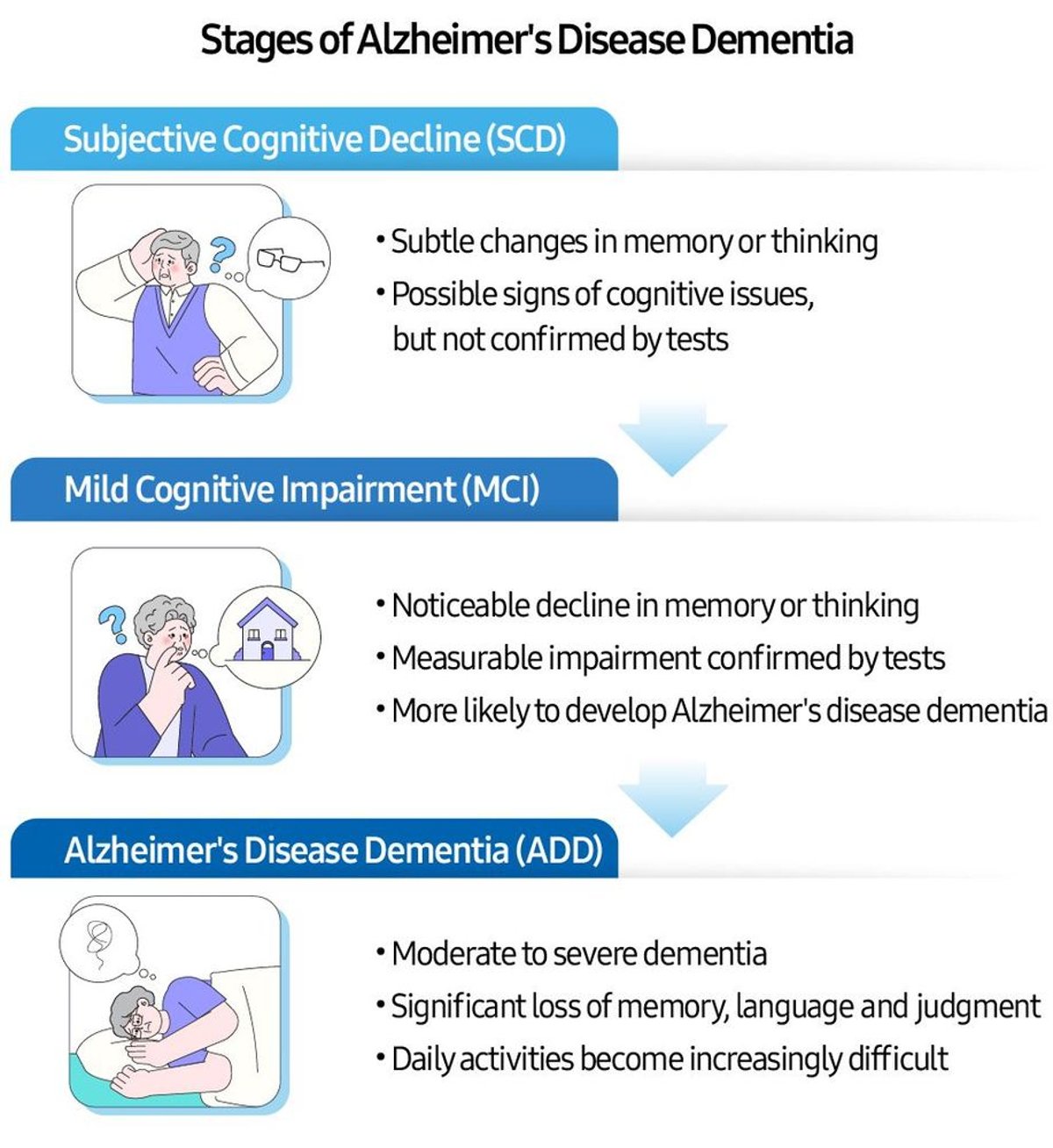
"Multiple studies show that changes in the brain can begin 10 to 20 years before the onset of Alzheimer's Disease Dementia," according to research cited by Samsung. That's a massive window for intervention - if you can detect the changes.
The implications are staggering. According to Alzheimer's Association data, about 12-18% of people over 60 live with mild cognitive impairment, and 10-15% of them progress to dementia each year. Early detection could enable lifestyle interventions, drug therapies, and access to clinical trials that might slow or prevent that progression.
Samsung's research specifically examined how brain regions affected by Alzheimer's correlate with smartphone behaviors. Voice patterns can reveal language processing issues, while app usage and messaging frequency reflect social and behavioral changes. The Galaxy Watch adds another layer by monitoring physical patterns - gait changes are often early indicators of cognitive decline.
The company isn't stopping here. Samsung Research plans to continue validating and advancing the technology through partnerships with academic institutions and medical organizations. The goal isn't just detection - it's building a comprehensive system that could transform how we approach brain health.
This development puts Samsung squarely in competition with tech giants like Apple and Google, who are also exploring health monitoring through consumer devices. But Samsung's focus on Alzheimer's detection through everyday device usage represents a uniquely ambitious approach that could redefine preventive healthcare.
For an industry that's often criticized for creating addictive, harmful technology, Samsung's digital biomarker research offers a different narrative - one where our constant phone usage might actually save lives by catching one of humanity's most devastating diseases before it's too late.
Samsung's digital biomarker breakthrough represents more than just another health tech innovation - it's potentially a paradigm shift in how we approach neurodegenerative disease. By turning everyday devices into passive health monitors, the company has found a way to make early Alzheimer's detection as routine as checking your step count. While the technology still requires validation through clinical partnerships, the ability to spot cognitive decline years before symptoms appear could give millions of people a fighting chance against a disease that has historically offered none. For Samsung, it's a bet that the phones in our pockets might become the most important medical devices we never knew we had.