Samsung's Family Hub refrigerator just marked a decade of reshaping the smart home landscape, racking up 12 CES Innovation Awards since its 2016 debut. The smart appliance that started as a bold experiment in putting a screen on a fridge has become a cornerstone of Samsung's consumer tech strategy, proving that even the most traditional appliances can evolve into connected home hubs. What began as simple food management has grown into a voice-activated, camera-equipped kitchen companion that signals where the industry is headed.
Samsung is taking a victory lap for its Family Hub refrigerator, and the numbers back up the celebration. The company just released data showing the smart appliance has dominated the CES Innovation Awards for a full decade, earning 12 honors since launching in 2016. That's not just a marketing milestone - it's proof that Samsung's gamble on turning fridges into smart home command centers actually paid off.
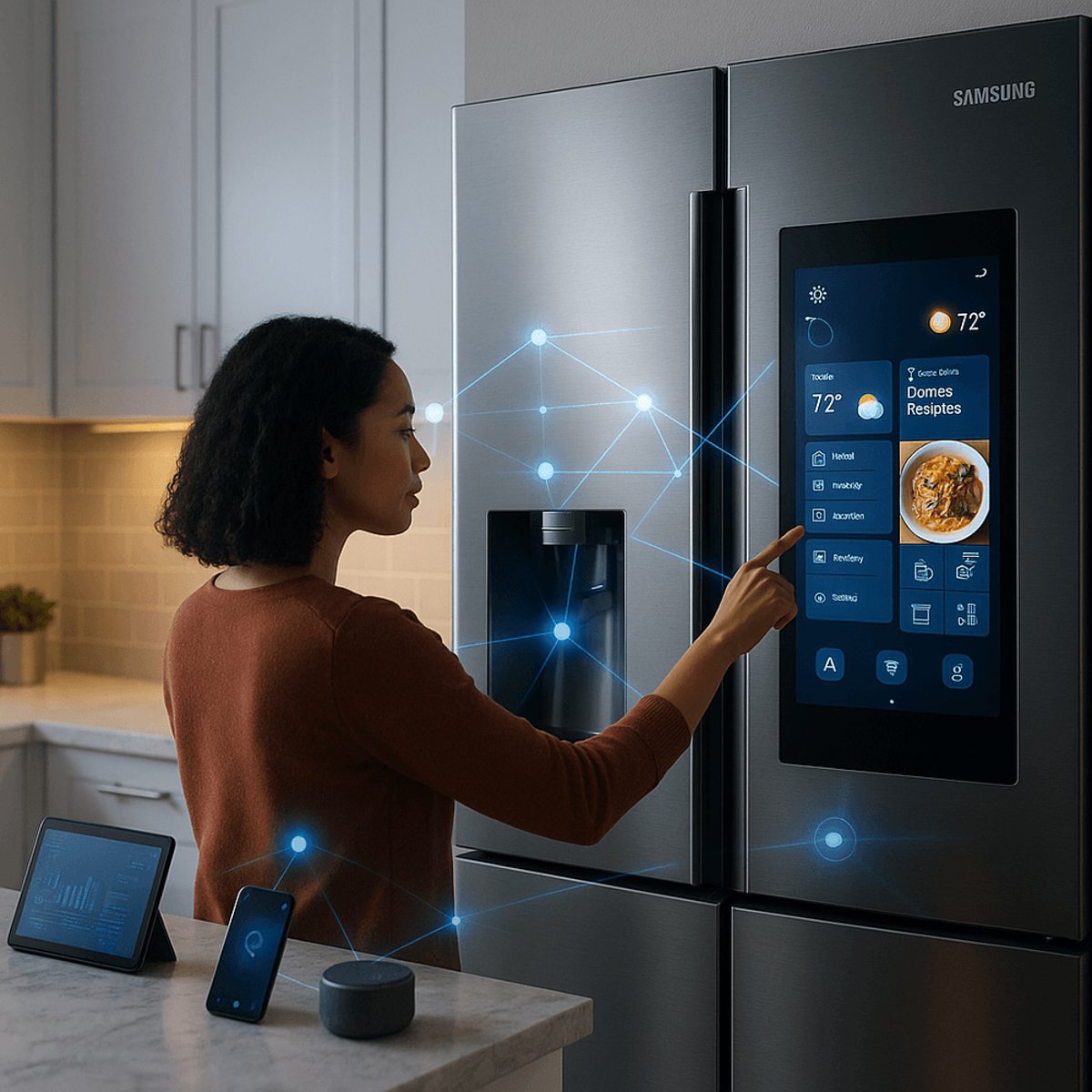
The Family Hub didn't invent the smart fridge, but it redefined what one could do. When Samsung first showed off the touchscreen-equipped appliance at CES 2016, critics wondered who needed a computer on their refrigerator door. Turns out, quite a few people. By integrating a display with IoT sensors and cameras, Samsung created something that went beyond novelty - it tackled the real problem of food waste through intelligent ingredient tracking.
That first-generation Family Hub introduced food management as a category, using internal cameras to let users check what's inside without opening the door. Simple concept, but it set off a chain reaction across the appliance industry. According to Samsung's announcement, the platform has "continually evolved into a true home companion" with voice interaction and AI-powered engagement.
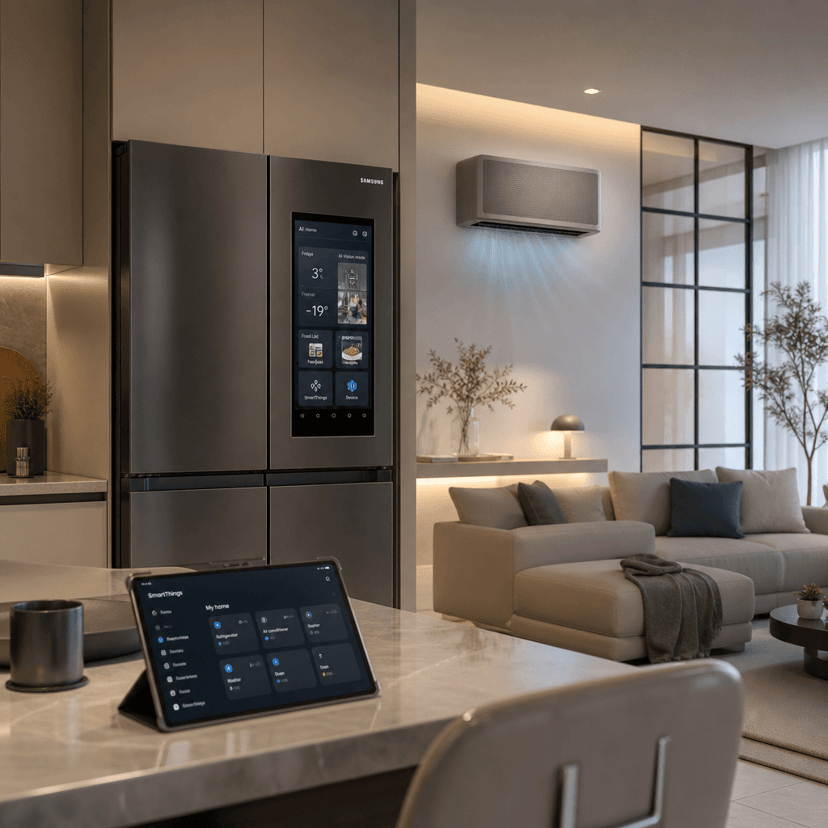
The evolution tells the bigger story. Samsung didn't just iterate on hardware specs - they kept expanding what the device could do. Early models focused on inventory management and recipe suggestions. Recent versions integrate with Samsung's SmartThings ecosystem, control other connected devices, and use AI to understand household patterns. That's the shift from smart appliance to home hub.
The CES recognition matters because it tracks that progression. Twelve awards across ten years means the Family Hub kept innovating in ways judges found genuinely novel, not just incremental upgrades. The Best of Innovation win - CES's top hardware honor - validated Samsung's approach of treating refrigerators as platforms rather than static boxes.
This success comes as the smart home market enters a new phase. After years of fragmented ecosystems and compatibility headaches, standards like Matter are pushing toward interoperability. Samsung's positioned well here because Family Hub already serves as a central control point. The fridge becomes the kitchen's version of a smart speaker - always on, always connected, naturally integrated into daily routines.
Competitors haven't stood still. LG pushed its InstaView tech with transparent panels, while GE Appliances integrated with voice assistants early. But Samsung's sustained CES performance suggests they've kept pace or stayed ahead on innovation velocity. The awards span categories from smart home to sustainability, showing Samsung evolved the product across multiple vectors.
The timing of this retrospective is strategic. CES 2026 just wrapped, and Samsung used the moment to reinforce its leadership position in connected appliances. With smart home adoption accelerating and AI capabilities improving, the next decade of Family Hub could look very different from the first. Voice interaction is already standard - what comes next might be predictive ordering, health tracking through food analysis, or deeper integration with meal planning services.
What's notable is how Samsung stuck with the vision when early adoption was slow. Smart fridges faced skepticism about whether consumers would pay premiums for connected features. The decade of CES wins suggests Samsung kept investing in R&D even when market validation lagged. That long-term commitment is now paying dividends as smart home penetration rises.
The appliance industry is watching because refrigerators represent a unique opportunity in the connected home. Unlike speakers or thermostats, they're high-value purchases with 10-15 year replacement cycles. Getting consumers to upgrade means proving sustained value through software updates and new capabilities. Samsung's decade of recognition indicates they've cracked that code, at least for early adopters willing to pay for innovation.
Samsung's ten-year Family Hub journey offers a blueprint for how legacy appliance makers can successfully pivot to software-driven experiences. The 12 CES awards aren't just trophies - they're markers of consistent innovation in a category that could have easily stagnated after the initial novelty wore off. As smart homes move from early adopter territory to mainstream expectation, Samsung's decade of iteration positions them to capture the next wave of connected kitchen demand. The real test isn't what Family Hub accomplished in its first ten years, but whether Samsung can maintain that innovation pace as competition intensifies and consumer expectations rise.