TikTok just dodged a ban through a new U.S. joint venture, but here's the real story: it didn't need saving. The short-video platform ranked as the second-most-downloaded app in America throughout 2025, even while courts debated its fate and regulators circled. ByteDance's creation thrived alongside fellow China-linked apps Temu and Shein, proving that tariffs, trade restrictions, and national security investigations couldn't break American consumers' addiction to algorithmic discovery and rock-bottom prices.
TikTok and its Chinese app rivals just wrote the playbook for surviving geopolitical warfare. While Washington spent 2025 debating national security threats, American consumers spent the year scrolling, shopping, and proving that addiction to algorithmic content trumps political pressure every time.
The numbers tell a story regulators don't want to hear. ByteDance's flagship app claimed the #2 spot across Apple App Store and Google Play Store downloads in 2025, according to Sensor Tower data reported by CNBC. Its sibling app CapCut, a video editing tool, climbed three spots to #4. This happened during a year when TikTok faced a Supreme Court-upheld ban, briefly went dark in January, and operated under constant threat of forced divestiture.
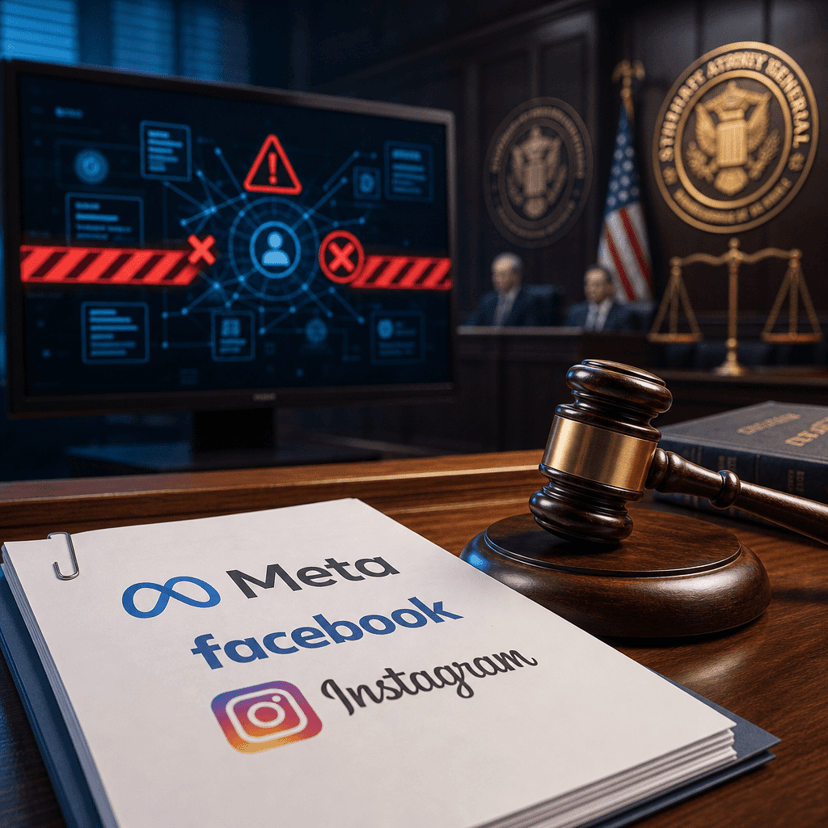
The threat was real. President Biden signed legislation in April 2024 requiring ByteDance to sell TikTok or face removal from U.S. app stores, citing risks of Chinese government surveillance and influence operations. The Supreme Court backed the law in January 2025. But enforcement never came. Trump extended deadlines repeatedly while negotiating what became Thursday's joint venture announcement, which creates a U.S. entity to manage commercial operations including TikTok Shop and advertising.
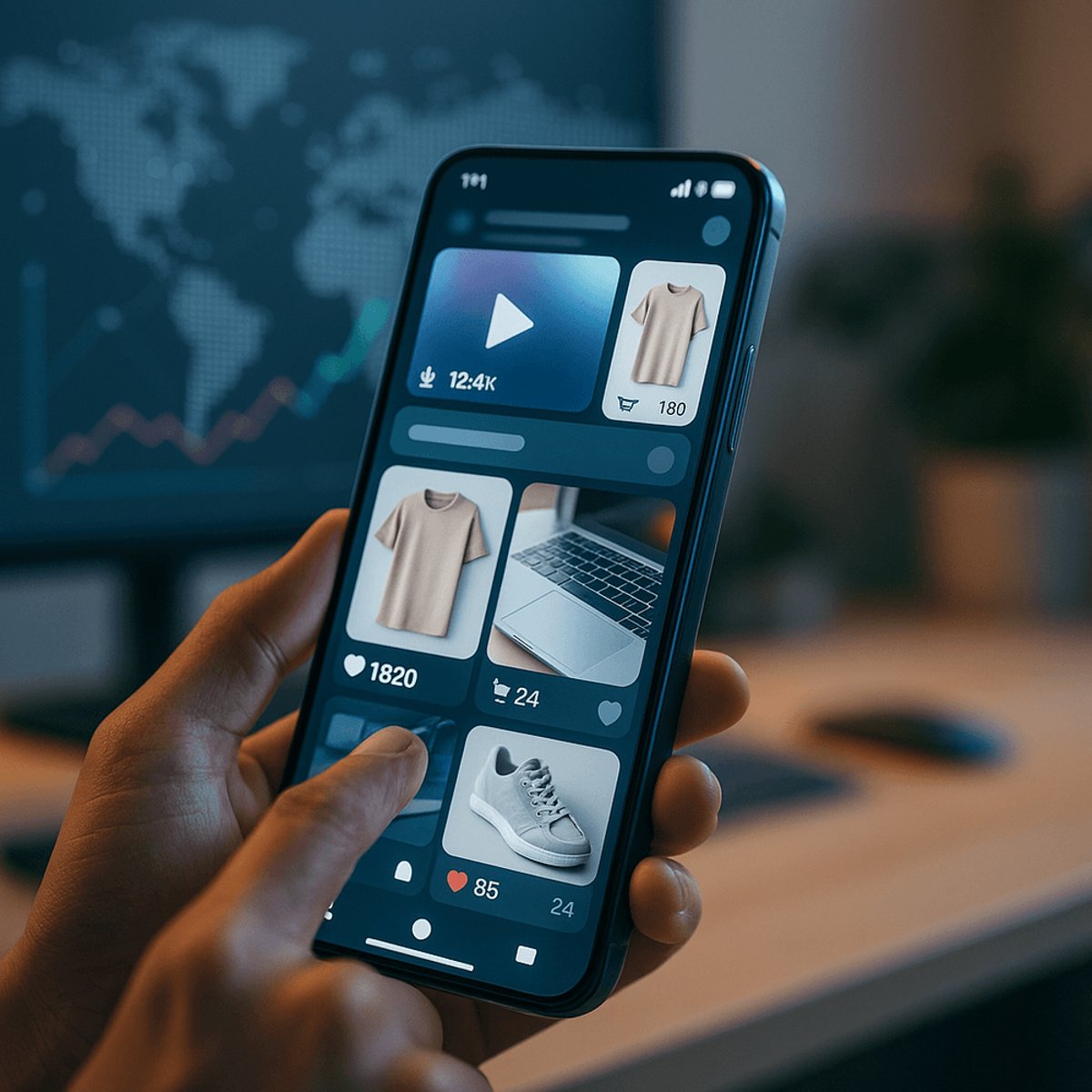
That e-commerce business became TikTok's secret weapon. Retail consulting firm Coresight reports TikTok's U.S. revenues - spanning ads, in-app purchases, and commerce - jumped 26.2% year-over-year to $13.9 billion in 2025. The company doubled down on TikTok Shop even as its legal fate hung in limbo, letting users buy products directly through videos and livestreams. It was a calculated bet that Washington wouldn't kill an app generating billions in American commerce.
"TikTok's success in 2025 demonstrates a path to navigate geopolitical headwinds despite the continuously deteriorating U.S.-China relationship - a rare case of clever commercial strategy triumphing over politics," Xiaomeng Lu, director of geo-technology at Eurasia Group, told CNBC.
The resilience extends beyond ByteDance. Chinese e-commerce platforms Temu and Shein faced their own 2025 gauntlet - Trump's closure of the "de minimis" trade loophole in May, new tariffs on Chinese imports, and intensified scrutiny of labor practices and supply chains. The de minimis rule had allowed packages under $800 to enter the U.S. duty-free, a lifeline for both companies' low-price models.
Temu dropped from 2024's top position but still ranked #7 in overall downloads for 2025, even after tariffs upended its business model and forced it to cut U.S. ad spending. Shein claimed the top spot in apparel shopping apps despite not cracking the overall top 10. Coresight estimates Shein's U.S. revenue grew 16.8% to $14.6 billion, while Temu's gross merchandise value increased 21.8% to $27.4 billion.
Both companies adjusted faster than regulators expected. They negotiated lower supplier prices, absorbed tariff costs, and expanded supply networks beyond China into the United States. The infrastructure pivots happened in real-time as policy changed.
"[Policy] shocks in 2025 didn't really make demand disappear. Rather, they proved that these platforms can adapt their logistics, merchant mix, and incentive design faster than consumer habits shift," Liang Chen, a professor of strategy and entrepreneurship at Singapore Management University, told CNBC.
That adaptability stems from what made these apps dominant in the first place: algorithms that keep users hooked. TikTok's recommendation engine, the same technology U.S. officials cite as a national security risk due to potential Chinese government manipulation, drives discovery in ways traditional e-commerce can't match. Temu and Shein use similar attention-economy strategies, turning shopping into entertainment through viral content and personalized feeds.
"The success of Temu, Shein, and TikTok Shop fundamentally reflects a shift in demand generation: moving away from legacy marketing tactics like simple ad-spend and display campaigns to a continuous, attention-economy strategy," Scott Miller, CEO of e-commerce consulting firm pdPlus, explained to CNBC. "Their growth shows that American consumers now discover products through highly engaging, viral, and personalized content."
The brief TikTok blackout in January showcased just how embedded these platforms have become. When the app went dark, users flocked to Xiaohongshu (known in English as RedNote), a Chinese alternative, rather than switching to American competitors. The migration wasn't subtle - RedNote briefly topped U.S. app charts before TikTok returned.
OpenAI's ChatGPT claimed the #1 download spot for 2025, riding the generative AI wave. But the China-linked apps' showing proves consumer behavior follows value and engagement, not geopolitical alignment. Price and convenience beat nationalism.
"American consumers overall don't really care an app's association with any specific country as long as they can find something they want at an affordable price," Yao Jin, an associate professor of supply chain management at Miami University, told CNBC. "[That] is exactly the competitive advantage of most China-originated apps."
Regulators flagged data privacy and national security risks throughout 2025. Officials raised concerns about TikTok's algorithm, Temu and Shein's data collection practices, and the potential for Chinese government access to American user information. The scrutiny led to hearings, investigations, and eventually the joint venture structure announced Thursday.
But enforcement remained inconsistent. While lawmakers debated bans and divestiture requirements, the apps kept operating and growing. The disconnect between political rhetoric and regulatory action created space for these platforms to cement their U.S. presence.
Singapore Management University's Chen frames it as proof these aren't just apps exploiting loopholes - they're "adaptive ecosystems with governance capabilities on both the demand and supply sides." That means sophisticated operations that can pivot logistics, pricing, and compliance faster than governments can write new rules.
The joint venture TikTok announced Thursday attempts to resolve the stalemate. Under the structure, TikTok Global's U.S. entities will manage commercial activities including e-commerce and advertising, while addressing national security concerns through American oversight. Multiple Trump-Xi meetings are planned throughout 2026 to finalize details, according to Eurasia Group's Lu.
Whether the deal holds depends on politics that remain volatile. But 2025's download data suggests these platforms already won the only battle that matters: consumer preference. American users chose Chinese apps over domestic alternatives despite knowing the geopolitical stakes. Regulators can force structural changes, but they can't legislate away platform dependency once it takes root.
The 2025 app download rankings expose the limits of regulatory pressure when consumer behavior calcifies around superior product experiences. TikTok, Temu, and Shein survived ban threats, tariffs, and national security investigations by adapting operations faster than governments could constrain them. The joint venture announced Thursday gives TikTok a path forward, but the real victory happened throughout 2025 as American users voted with their downloads. Regulators can force structural concessions and compliance changes, but they can't reverse platform dependency once algorithms hook users and low prices hook shoppers. The question for 2026 isn't whether these apps will survive - it's whether U.S. competitors can build anything compelling enough to compete.