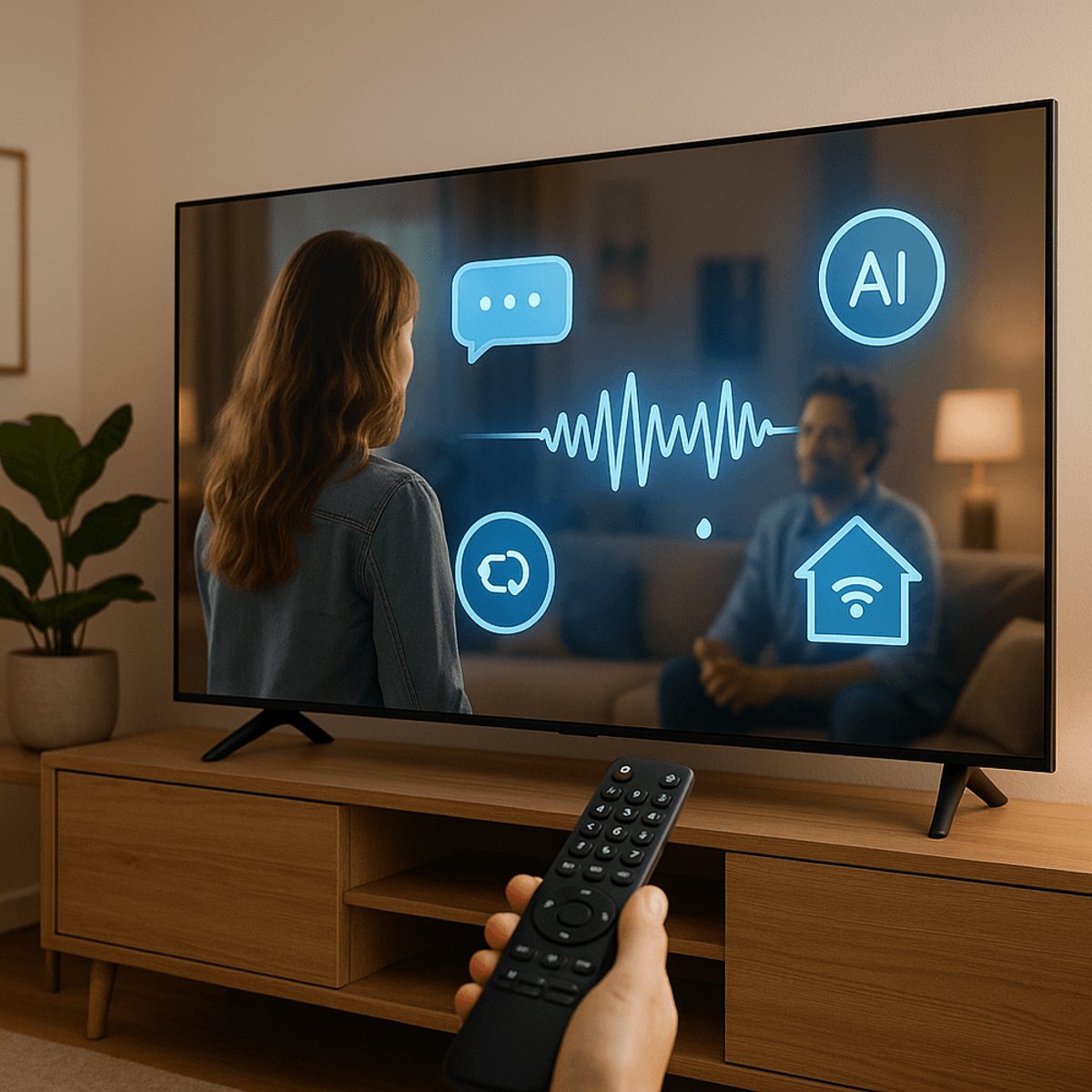
Samsung just transformed the humble TV into an AI-powered command center for the entire household. The company's new Vision AI Companion platform launches across its 2025 TV lineup, integrating Microsoft Copilot and other AI models to turn any screen into a conversational hub that can answer questions, translate content in real-time, and manage smart home tasks without interrupting your show.
Samsung just redefined what a smart TV can do. The Korean tech giant's new Vision AI Companion platform transforms any television into a household AI assistant that responds to natural conversation while you're watching your favorite show. Unlike voice assistants that require wake words or separate devices, Samsung's system works through a simple AI button press on the remote, keeping the family entertained and connected simultaneously.
The platform builds on Samsung's existing Bixby technology but adds something competitors haven't achieved - seamless integration with Microsoft Copilot and Perplexity AI. This multi-agent approach means users can ask complex questions about travel planning, company research, or product reviews and get visualized responses without ever leaving their current program. "Everything happens right on the screen, while you continue to enjoy your program," according to Samsung's announcement.
The timing couldn't be better for Samsung's AI push. Smart home adoption accelerated during the pandemic, but most AI assistants remain confined to phones or smart speakers. By embedding conversational AI directly into the living room's centerpiece, Samsung is betting families want their entertainment and productivity tools unified in one place. The company claims this makes it "the world's first multi-AI agent TV platform," a direct challenge to Amazon's Alexa-powered Fire TV devices and Google's smart home ecosystem.
What sets Vision AI Companion apart is its contextual understanding. Ask "What's the best way to grill pork belly?" and the system serves up step-by-step recipe videos. Follow up with "Can you recommend a movie for Christmas?" and it delivers holiday film suggestions with related content. The AI maintains conversation flow across different topics, something current smart TV interfaces struggle with.
Samsung's partnership strategy reveals the company's pragmatic approach to AI competition. Rather than building everything in-house like Apple or relying solely on Google like many Android TV manufacturers, Samsung is creating an open platform that combines the best available AI models. The integration with Microsoft Copilot gives users access to enterprise-grade AI capabilities, while Perplexity handles complex search queries that go beyond basic entertainment recommendations.
The feature set extends beyond conversation. Live Translate breaks down language barriers by translating on-screen dialogue in real-time - crucial for Samsung's global market where families often speak multiple languages. AI Gaming Mode optimizes picture and sound settings automatically based on what game you're playing. Even the TV's ambient display gets smarter with Generative Wallpaper that creates personalized visuals matching your mood or preferences.
Language support spans 10 markets including Korean, English, Spanish, French, German, Italian, and Portuguese. This broad rollout indicates Samsung's confidence in the technology and its desire to establish Vision AI Companion as the standard before competitors catch up. The platform launches across Samsung's entire 2025 lineup, from premium Neo QLED and OLED models down to entry-level QLED TVs, plus Smart Monitors and The Movingstyle displays.
Samsung's seven-year software support commitment through One UI Tizen means these AI capabilities will evolve over time rather than becoming obsolete. This long-term approach contrasts with the tech industry's typical two-to-three-year update cycles and positions Samsung TVs as investment purchases rather than disposable electronics. For families upgrading their living room setup, that extended support timeline makes Samsung's premium pricing more justifiable.
The real test will be adoption rates and how well the AI performs in real-world family scenarios. Smart TV interfaces have historically been clunky, and voice recognition often fails in noisy living rooms with multiple speakers. Samsung's dedicated AI button sidesteps some of these issues by eliminating wake words, but the success ultimately depends on how naturally families integrate conversational AI into their viewing habits.
Samsung's Vision AI Companion represents a significant shift in how we interact with our living room technology. By integrating Microsoft Copilot and other AI models directly into the TV experience, Samsung is positioning itself ahead of traditional smart home players who still rely on separate devices or clunky voice commands. The success of this platform could determine whether the TV reclaims its role as the central hub of the connected home, or whether families continue fragmenting their digital interactions across phones, tablets, and smart speakers. With 10-language support and seven years of updates, Samsung is clearly betting big on conversational AI becoming as natural as reaching for the remote.