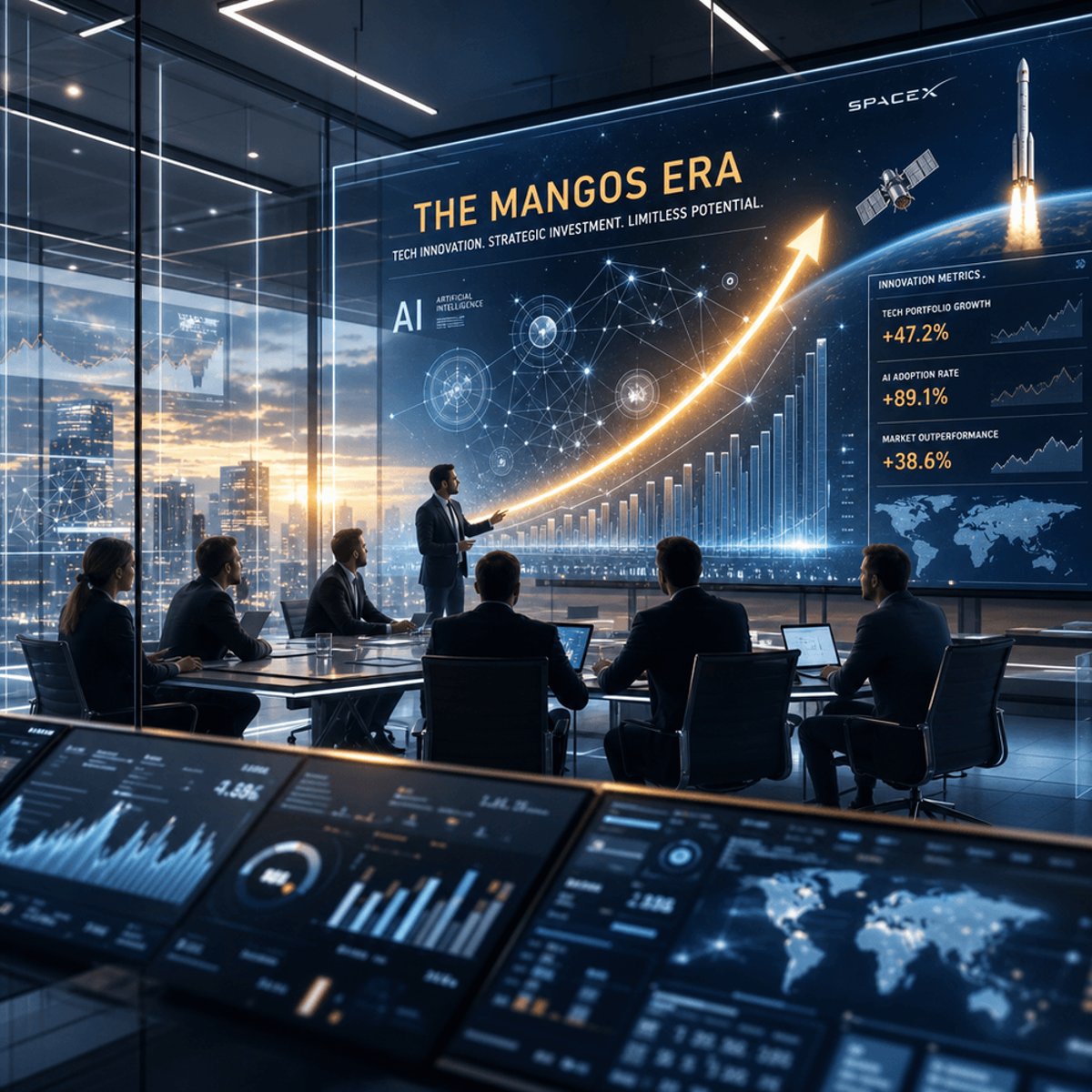
The tech industry's old guard is getting a refresh. With SpaceX, Anthropic, and OpenAI all preparing for massive public debuts, Wall Street is buzzing about a new acronym to replace the aging FAANG moniker. Enter MANGOS - a portmanteau that captures the next generation of corporate titans reshaping technology. The shift isn't just semantic. It signals a fundamental power transfer from social media and e-commerce giants to the AI and space economy players now commanding trillion-dollar valuations.
The FAANG era is officially ending, and the tech industry knows it. Meta, Apple, Amazon, Netflix, and Google dominated the 2010s, but a new cohort is stepping into the spotlight with even bigger ambitions and deeper pockets. The emerging MANGOS acronym - standing for Microsoft, Apple, Nvidia, Google, OpenAI, SpaceX - represents more than clever wordplay. It's a recognition that the locus of power in technology has fundamentally shifted.
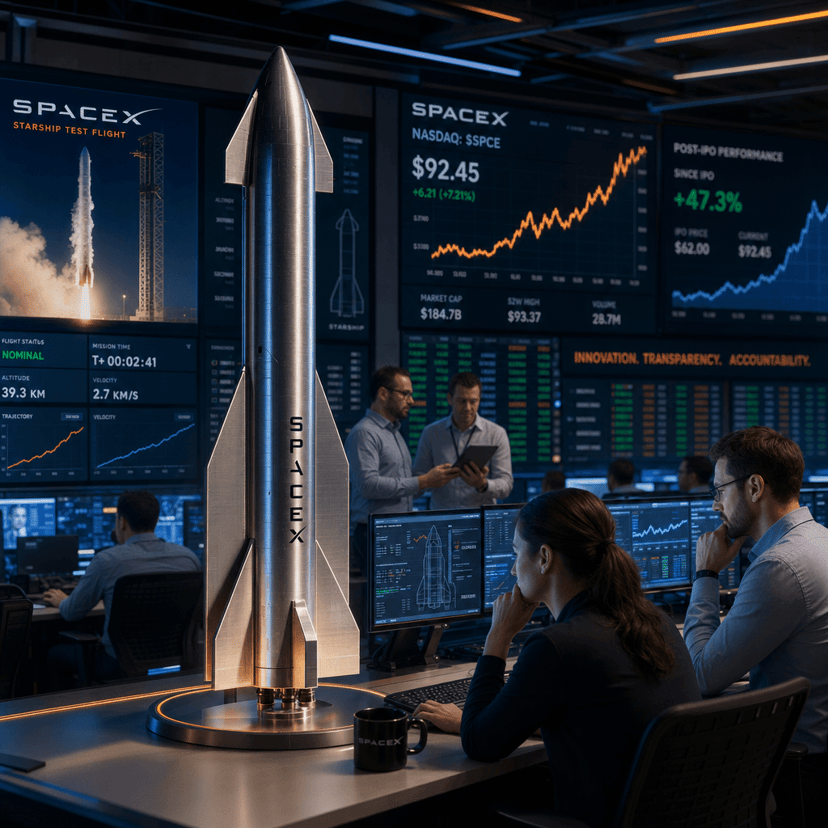
The catalyst? A historic wave of IPO filings. OpenAI has been quietly preparing its S-1 paperwork for months, with sources close to the company suggesting a valuation north of $300 billion when it finally goes public. Anthropic, flush with backing from Google and other strategic investors, is reportedly eyeing a similar timeline. And SpaceX, Elon Musk's rocket company, continues to field inquiries from investment banks eager to manage what could be the largest tech IPO in history.
Wall Street is already repositioning. Index fund managers are reworking their tech allocations, knowing that these companies will instantly become must-own positions the moment they trade publicly. The ETF industry is scrambling to create new AI-focused funds that can capture the MANGOS moment. One portfolio manager at a major institutional investor told colleagues in private conversations that the firm is reserving billions in dry powder specifically for these debuts.
But the acronym debate reveals something deeper than market positioning. FAANG always felt like a retrospective label - a way to describe companies that had already won. MANGOS, by contrast, is forward-looking. It acknowledges that Microsoft and Nvidia aren't just surviving the AI transition, they're defining it. It recognizes that Apple remains indispensable even as its growth moderates. And it makes room for the insurgents - OpenAI and SpaceX - who are building entirely new categories.
The inclusion of SpaceX is particularly telling. For years, space companies were seen as capital-intensive novelties, not legitimate tech plays. But SpaceX's Starlink business alone generates billions in recurring revenue, and its launch monopoly gives it strategic importance that transcends traditional valuation metrics. When defense contractors and telecom giants depend on your infrastructure, you're not a moonshot anymore. You're critical infrastructure.
Then there's the AI duo. OpenAI essentially created the generative AI market with ChatGPT, and despite intense competition, it remains the category leader. Anthropic, while smaller, has positioned itself as the safety-conscious alternative, winning enterprise contracts from companies nervous about OpenAI's rapid-fire product launches. Together, they represent a new breed of company - one that doesn't just build products but reshapes how humans interact with information itself.
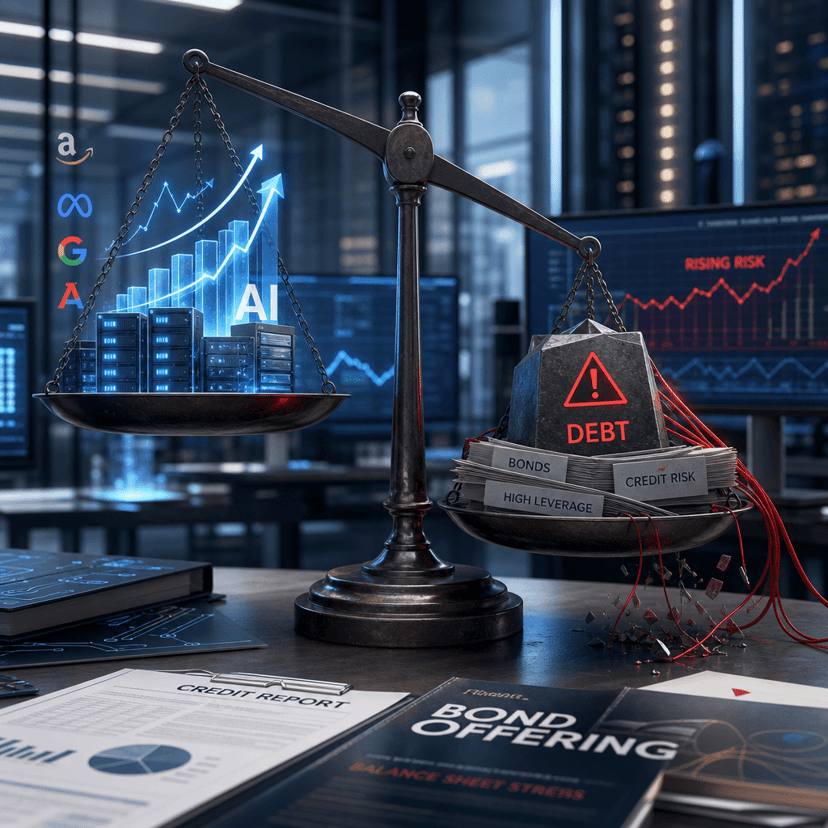
The MANGOS framework also highlights who got left behind. Meta is conspicuously absent, despite its massive investments in AI and virtual reality. Netflix, once a Wall Street darling, now looks like a traditional media company that happened to stream. Amazon remains enormously profitable, but its e-commerce core business faces margin pressures that make it less compelling than pure-play AI infrastructure.
Regulators are watching closely. The original FAANG companies faced antitrust scrutiny, but the MANGOS generation operates in even more sensitive domains. OpenAI and Anthropic control the models that could power everything from healthcare to weapons systems. SpaceX has more satellites in orbit than most countries. These aren't just big companies. They're potential choke points for entire sectors of the economy.
Venture capitalists are already adjusting their pitches. The new narrative isn't about disrupting FAANG - it's about building companies that could eventually join the MANGOS tier. That means thinking bigger, raising more capital, and aiming for monopolistic advantages in nascent markets before they mature. The bar for what constitutes a successful exit just moved dramatically higher.
Not everyone is celebrating. Some market veterans worry that concentrating so much capital and influence in a handful of AI and space companies creates systemic risks. If OpenAI experiences a major service disruption or SpaceX faces a catastrophic launch failure, the ripple effects could destabilize markets far beyond tech. The interconnectedness that made FAANG powerful could make MANGOS dangerous.
For now, though, the momentum is unmistakable. Public market investors have been starved for access to the most exciting companies in tech, watching from the sidelines as venture funds and sovereign wealth funds captured all the upside in private markets. The MANGOS IPOs represent a rare opportunity to get in on the ground floor of what could be decade-defining investments. Whether that opportunity turns into another dot-com bubble or a legitimate shift in economic power remains to be seen.
The MANGOS acronym might seem like Wall Street gimmickry, but it captures a real inflection point. The companies that dominated the 2010s built their empires on advertising, e-commerce, and smartphones. The next generation is building theirs on artificial intelligence and space infrastructure - technologies with even more profound implications for how societies function. Whether these IPOs deliver on their stratospheric valuations will determine not just the fortunes of individual investors, but the trajectory of innovation itself. The FAANG era gave us social media and streaming. The MANGOS era promises to give us something far more fundamental - and potentially far more disruptive.