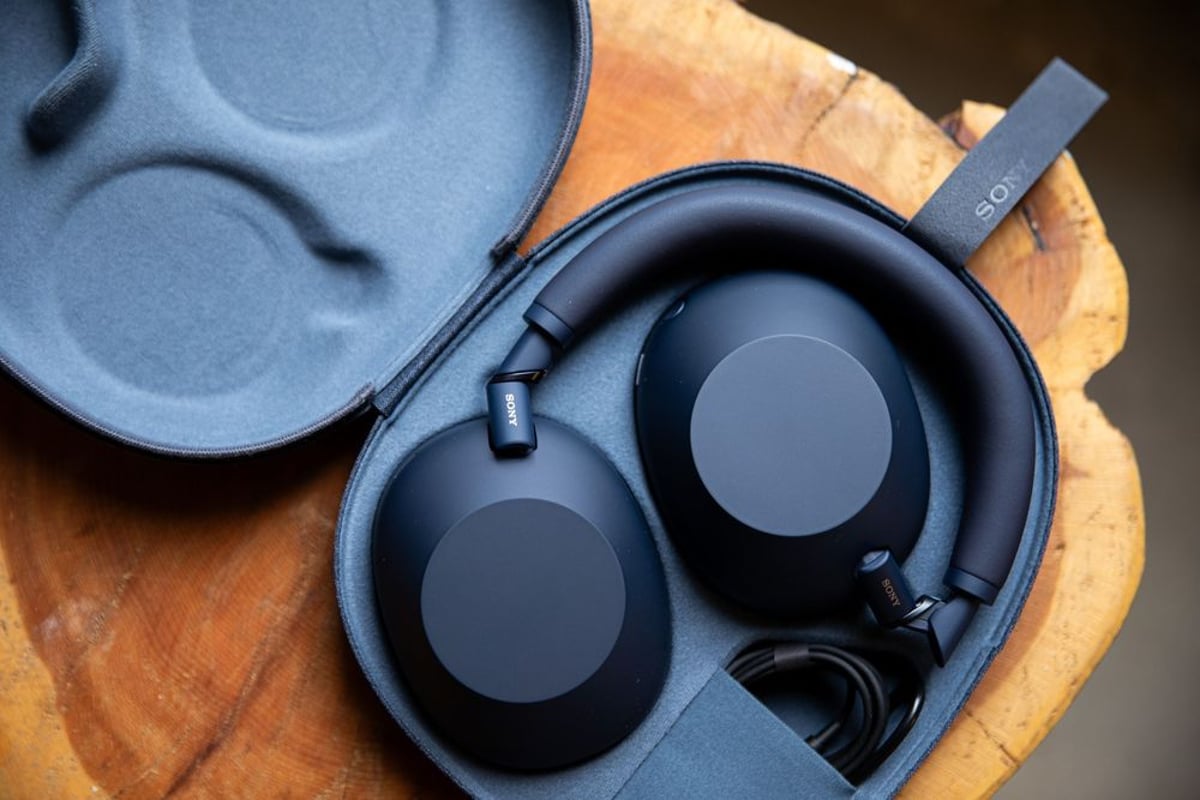
Sony just pushed a major firmware update that transforms how its flagship headphones connect and interact. The WF-1000XM5 earbuds and WH-1000XM6 headphones now support Google's Gemini Live AI assistant and Bluetooth LE Audio sharing - features that could reshape how people share music and interact with their devices. The update arrives as audio brands race to integrate AI capabilities into premium hardware.
Sony just flipped the script on premium headphone functionality. The company's latest firmware update for its WF-1000XM5 earbuds and WH-1000XM6 headphones doesn't just patch bugs - it fundamentally changes how these devices connect, share, and respond to users. The update, rolling out now through Sony's Sound Connect mobile app, brings two headline features that audio enthusiasts have been waiting for: seamless music sharing and direct access to Google's Gemini Live AI assistant.
The most immediate game-changer is Audio Sharing with Fast Pair, powered by Bluetooth LE Audio's Auracast functionality. This isn't just another connectivity trick - it's a complete rethink of how people experience audio together. With compatible Android phones (including recent Google Pixel, Samsung Galaxy, and OnePlus models), users can now pair two sets of headphones simultaneously to share whatever they're listening to. But Sony and Google went further: you can create private broadcasts for entire groups, with people connecting via QR codes or Google Fast Pair.
Google announced in early September it was expanding Android's BLE Audio capabilities to several models of Sony's headphones, setting the stage for this update. The timing isn't coincidental - both companies are positioning themselves at the center of the emerging shared audio ecosystem, competing directly with Apple's more limited AirPods sharing features.
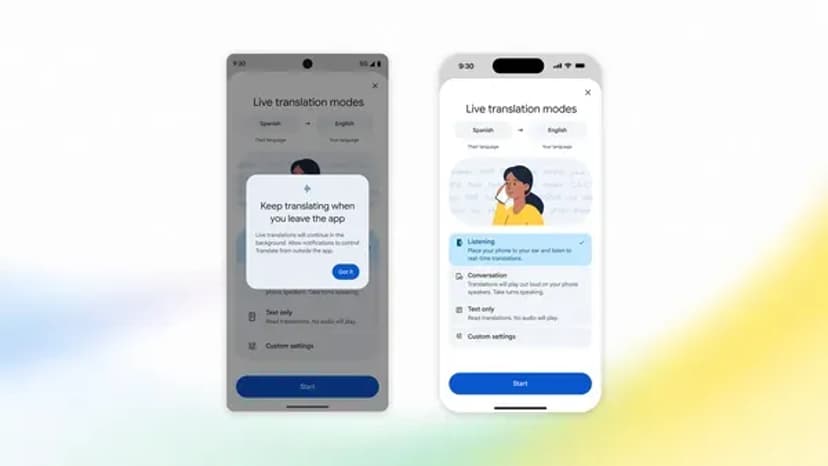
The Gemini Live integration represents Sony's first major AI push in its headphone lineup. Users can now access Google's conversational AI assistant directly through their headphones, creating a hands-free experience that goes well beyond traditional voice commands. This puts Sony's flagship models on equal footing with competing products that already offer native AI assistants.
But Sony didn't stop there. Both headphone models receive what the company calls enhanced "system software security features" - deliberately vague language that likely addresses growing concerns about wireless device vulnerabilities. The update also enables digital assistant support and head tracking specifically for Bluetooth LE Audio connections, suggesting Sony is building toward more immersive spatial audio experiences.
For WF-1000XM5 users specifically, the update expands integration with Google's Find My Device network, previously known as Find Hub. Users can now locate left and right earbuds individually - a practical improvement anyone who's lost a single earbud will appreciate. Perhaps more importantly, users can disable Find Hub support entirely without needing to dock the earbuds in their charging case, which was previously required according to Sony's support documentation.
The implementation details matter here. Sony requires users to completely re-pair their headphones after the update to access the new functionality - an unusual step that suggests deep changes to the devices' Bluetooth stack and connection protocols. This isn't a simple feature toggle, but a fundamental restructuring of how these headphones communicate with phones and other devices.
This update positions Sony aggressively against Apple's ecosystem lock-in strategy. While AirPods offer seamless sharing within Apple's walled garden, Sony's approach works across Android manufacturers and creates group sharing scenarios that Apple simply doesn't support. It's a direct play for the premium Android audio market, leveraging Google's AI and connectivity advances to create experiences that rival or exceed what iPhone users can access.
The timing also coincides with the broader industry push toward AI-integrated hardware. As companies from Meta to Amazon integrate conversational AI into their devices, Sony's partnership with Google ensures its premium headphones remain competitive in an increasingly AI-driven market. The Gemini Live integration isn't just a feature add - it's Sony's stake in the ground for the next generation of smart audio devices.
Sony's firmware update transforms its flagship headphones from premium audio devices into AI-powered sharing hubs. The combination of Gemini Live integration and group audio sharing via Bluetooth LE Audio positions these headphones as genuine alternatives to Apple's ecosystem, particularly for Android users seeking premium features. With the requirement to re-pair devices signaling deep technical changes, this update represents Sony's biggest bet yet on the convergence of AI, audio, and social connectivity. For existing owners, it's essentially getting new headphones with capabilities that didn't exist at launch - and for the industry, it's a clear signal that the next battlefield for premium audio will be fought over AI integration and cross-device sharing experiences.