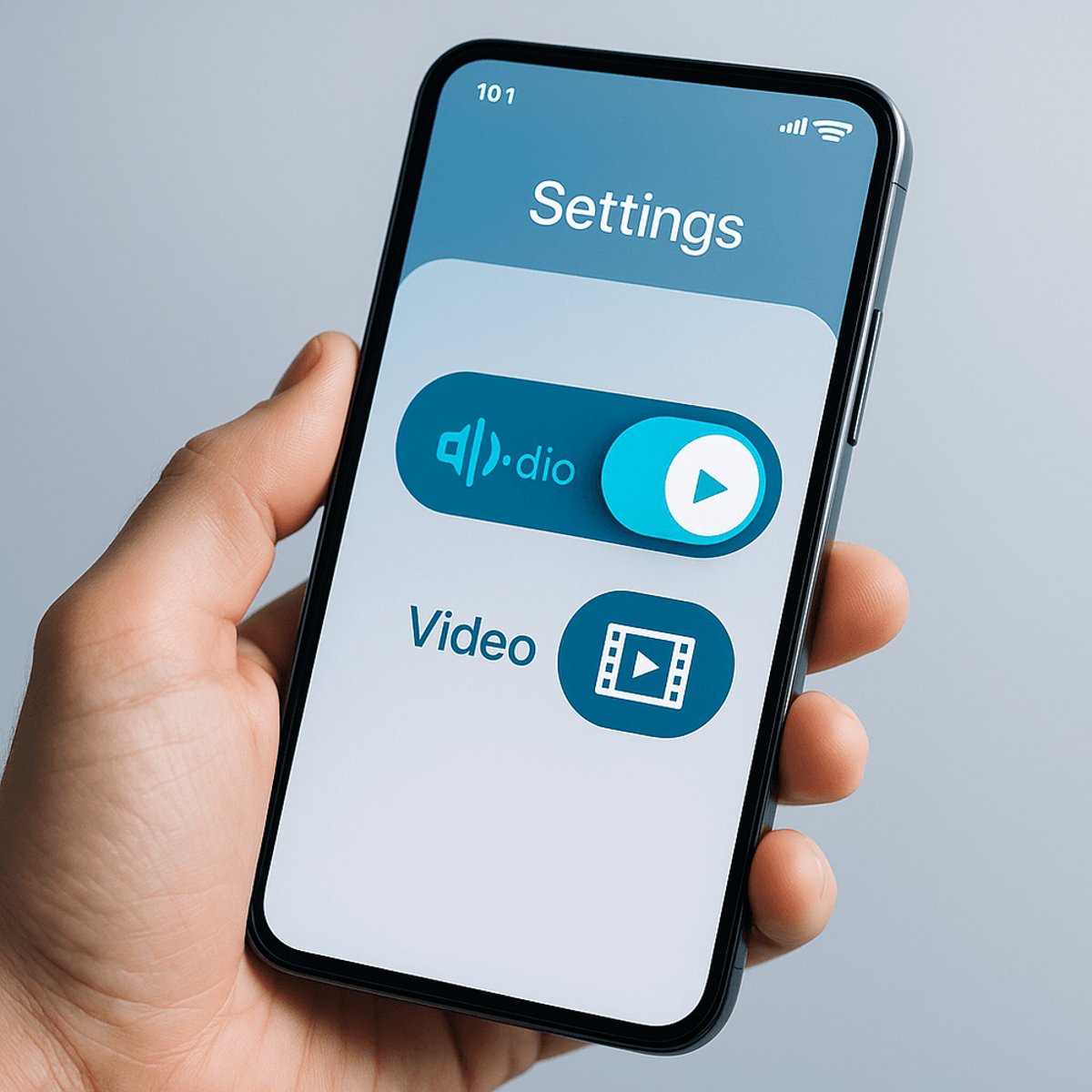
Spotify is giving users full control over their viewing experience with a new feature that lets everyone turn off videos across the app. The streaming giant announced the rollout today, allowing subscribers to choose between an audio-first experience or keeping the video-enhanced interface that's become increasingly prominent since the platform's podcast video push began in 2020. It's a direct response to user feedback about unwanted autoplay content eating up data and battery life.
Spotify just handed users the off switch they've been requesting for years. The streaming platform rolled out new controls today that let everyone disable video content entirely, marking a significant pivot from its aggressive push into visual media that started with podcast video launches back in 2020.
The new toggle lives in the app's settings menu and applies universally - no more autoplay video podcasts draining your battery during morning commutes, no more accidental data overages from video content you never asked to watch. According to Spotify, users can now "choose an audio-first experience on the app or a video-enhanced one," putting control back in subscribers' hands.
It's a surprisingly user-friendly move from a company that's spent the last several years betting heavily on video. Spotify poured resources into video podcasts, artist canvases, and visual experiences as part of its strategy to differentiate from Apple Music and keep users engaged longer. The company struck exclusive deals with video podcasters and built out entire studios for visual content production.
But user pushback has been mounting. Reddit threads and Twitter complaints about unwanted video autoplay have proliferated over the past year, with users particularly frustrated about mobile data consumption and the inability to fully disable visual elements. The backlash intensified as Spotify expanded video podcast availability globally, making the feature harder to avoid even for users who actively preferred audio-only experiences.
The timing is notable. YouTube Music has been gaining ground with its seamless video-audio switching, while Apple continues to emphasize its lean, music-focused interface. Spotify appears to be acknowledging that one-size-fits-all doesn't work when users have vastly different preferences for how they consume content.
From a technical standpoint, the feature represents more than just a simple toggle. Spotify had to rework how content loads and displays across its entire interface - from the Now Playing screen to podcast episodes to artist pages. The company essentially built two parallel experiences that users can switch between at will.
The broader implications extend beyond user experience. Video content costs significantly more in bandwidth and infrastructure than audio streams. If a substantial portion of Spotify's 600 million users opt for audio-first mode, it could meaningfully impact the company's content delivery costs and infrastructure planning.
This also raises questions about Spotify's video podcast strategy going forward. The company invested heavily in video-exclusive shows and podcaster tools for visual content. If users increasingly disable video, does that undermine the business case for those investments? Or does Spotify double down on making video so compelling that users actively choose to keep it enabled?
Industry watchers see this as part of a broader trend toward user customization in streaming platforms. Netflix lets users control autoplay previews, Amazon Music offers extensive interface customization, and now Spotify is following suit. The era of forcing users into a single designed experience appears to be ending.
The feature rollout appears to be global and available across iOS, Android, and desktop platforms. Spotify hasn't announced whether the toggle will be available to free users or limited to premium subscribers, though early reports suggest it's available to everyone regardless of subscription tier.
Spotify's new video toggle represents more than just a quality-of-life improvement - it's a strategic acknowledgment that user choice matters more than platform vision. As streaming platforms compete for attention and retention, giving users control over their experience might be the smartest competitive move. The real test comes next: whether users actually disable video en masse, and how that shapes Spotify's content strategy going forward. For now, anyone tired of autoplay video eating their data finally has an escape hatch.