YouTube just flipped the script on livestream advertising. The platform's rolling out AI-powered ad timing that detects when viewers are most engaged and holds back interruptions until the excitement dies down. It's a rare moment where Google's balancing creator revenue with viewer experience, and it could reshape how live content monetizes across the industry.
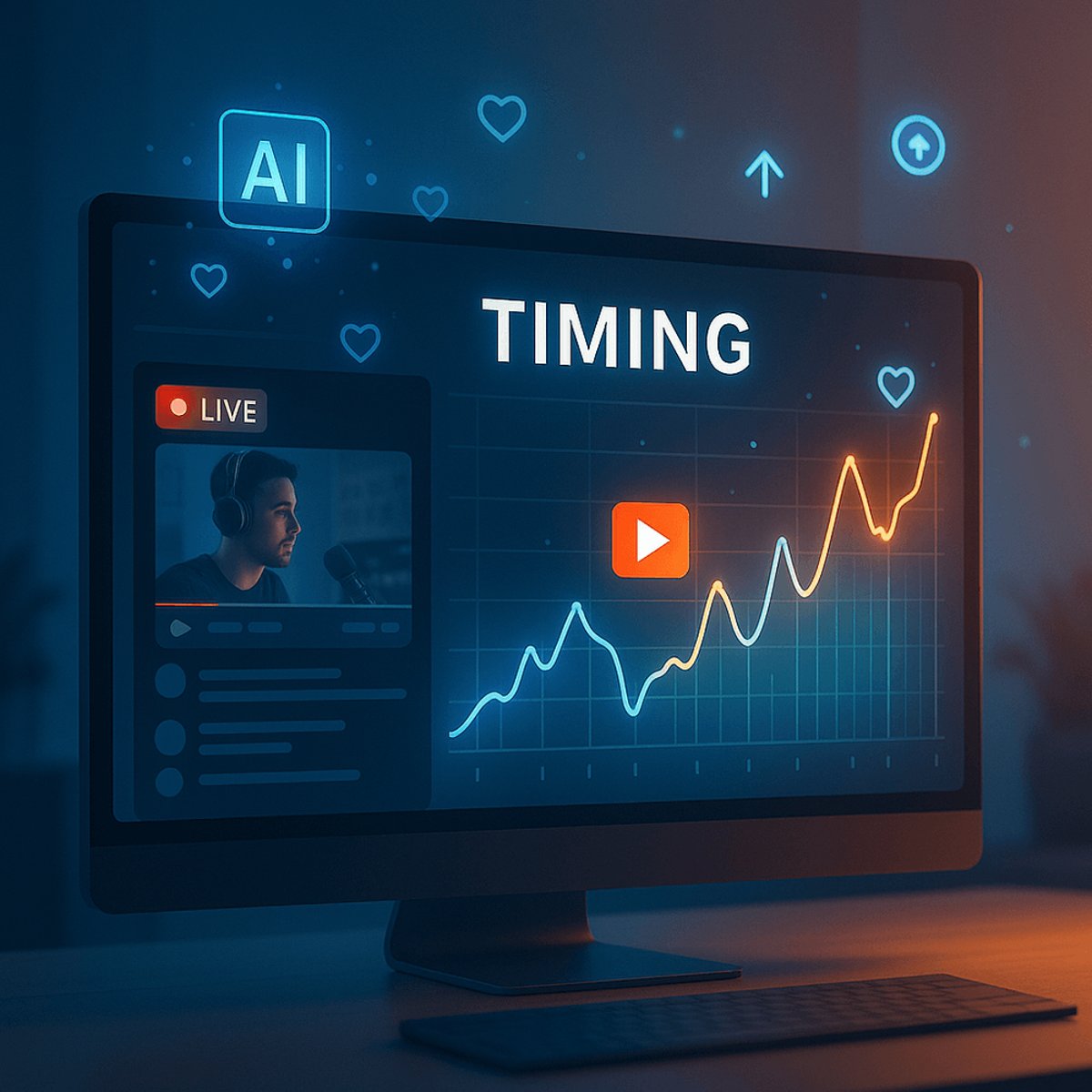
YouTube is finally addressing one of livestreaming's most annoying problems - ads that kill the vibe right when things get exciting. The Google-owned platform's new AI-powered system analyzes real-time engagement signals to postpone ad breaks during peak moments, then serves them when the energy naturally dips.
Until now, the only escape from mid-stream ad interruptions was shelling out for YouTube Premium. But this represents a fundamental shift in how the platform thinks about monetization. Instead of forcing viewers to pay or suffer through poorly timed interruptions, YouTube's betting that smarter ad placement can keep both advertisers and audiences happy.
The technology works by monitoring chat velocity, like-to-view ratios, and viewer retention spikes to identify when something unmissable is happening. When a gaming streamer pulls off a clutch play or a live concert hits its crescendo, the system recognizes the engagement surge and queues ads for later. It's the kind of context-aware advertising that creators have been requesting for years.
For streamers, this solves a brutal dilemma. Running ads during exciting moments drives viewers away, but delaying them manually means constantly monitoring engagement instead of focusing on content. YouTube's automation handles the optimization without requiring creator intervention, though streamers can still manually trigger ad breaks if they prefer.
The timing is strategic. Twitch, YouTube's primary competitor in live gaming content, has faced ongoing backlash over aggressive pre-roll and mid-roll ad policies. Amazon-owned Twitch introduced mandatory ad breaks for partners in 2021, leading to viewer complaints about interruptions during critical gameplay. YouTube's AI-driven approach could give it an edge in the ongoing battle for top streaming talent.
The feature also reflects broader industry trends around AI-powered content optimization. Meta has been using machine learning to optimize ad placement in Reels, while TikTok employs similar systems for its live gifting features. But YouTube's tackling a harder problem - live content is unpredictable, making real-time engagement detection significantly more complex than analyzing pre-recorded videos.
There's a catch, though. The system only works for creators who've enabled mid-roll ads on their livestreams. Those who prefer to run ads only at natural breaks or during designated intermissions won't see the AI kick in. And YouTube hasn't disclosed whether the feature will eventually replace manual ad controls or simply complement them.
Advertisers might actually benefit too. Viewers interrupted during climactic moments are more likely to tab away or tune out entirely, tanking ad completion rates. By serving ads during natural lulls, YouTube could improve viewability metrics and justify premium pricing for livestream inventory.
The rollout comes as YouTube continues doubling down on live content. The platform's been aggressively courting streamers with better revenue splits and exclusive features, trying to chip away at Twitch's dominance in gaming and live entertainment. Adding intelligent ad timing gives creators one more reason to consider YouTube as their primary streaming home.
What remains unclear is how the AI handles different content types. A gaming stream has obvious peaks and valleys, but what about a talk show or educational livestream? YouTube hasn't detailed whether the system adapts to different content categories or if it's primarily optimized for high-energy gaming content where engagement swings are most dramatic.
The feature also raises questions about YouTube's broader ad strategy. If AI can optimize free-tier ad placement this effectively, does it undermine the value proposition of YouTube Premium? Or does it simply raise the floor for free users while Premium subscribers still get the ceiling of zero interruptions? Google's walking a fine line between improving the free experience and maintaining Premium subscriptions.
YouTube's smart ad timing represents a rare win-win in the platform economy - creators keep earning, viewers get fewer annoying interruptions, and advertisers gain better completion rates. If it works as promised, expect Twitch and other livestream platforms to scramble for similar solutions. The real test will be whether the AI can maintain that balance across different content types, or if it's just another feature that works great for gaming streamers while everyone else gets left behind.